
Last updated November 21, 2026
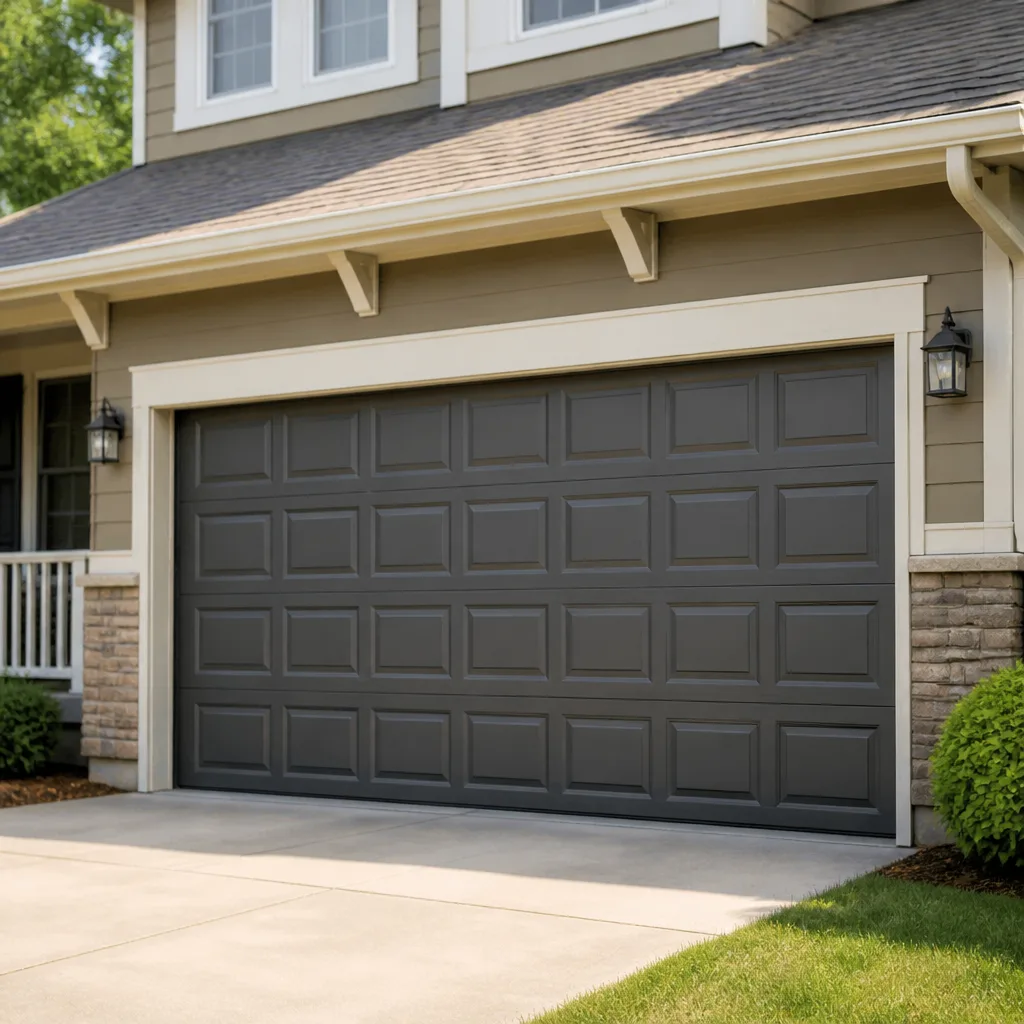 Raised-panel steel
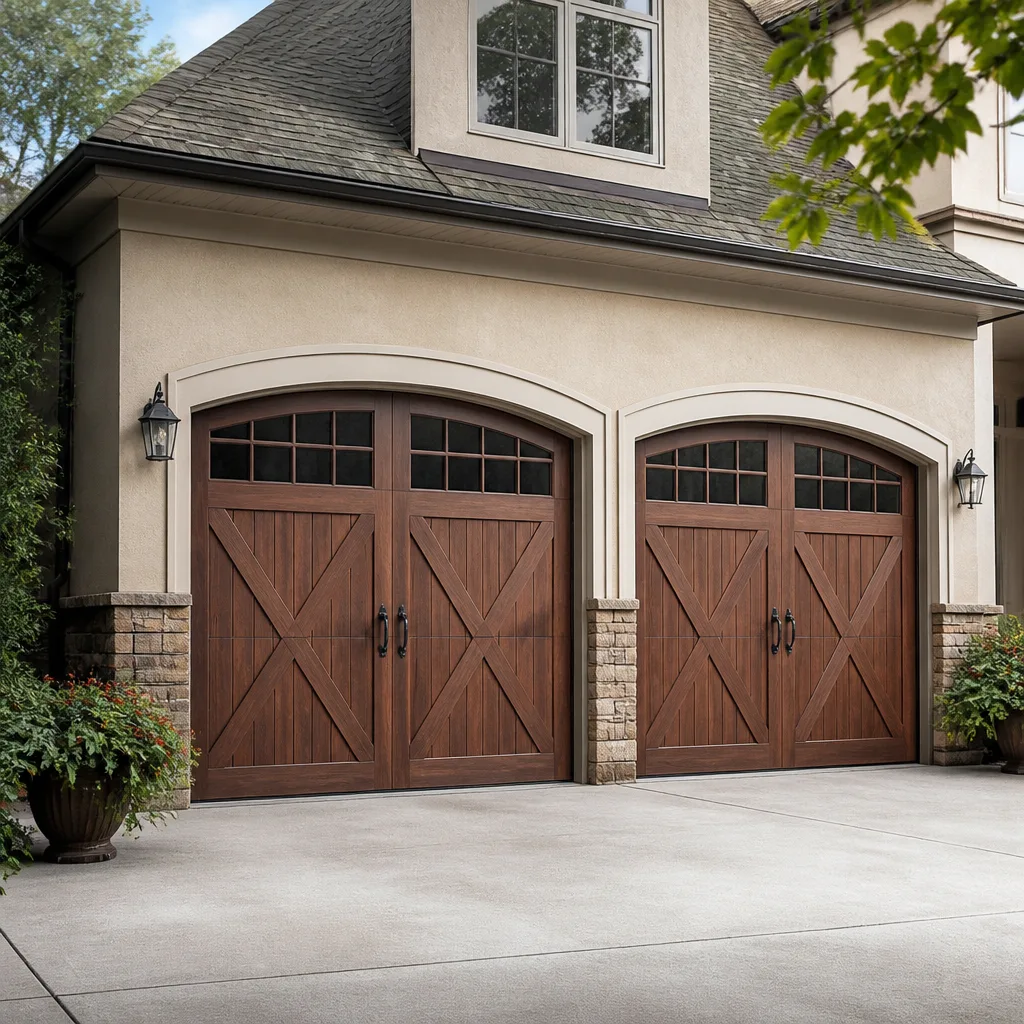 Carriage house
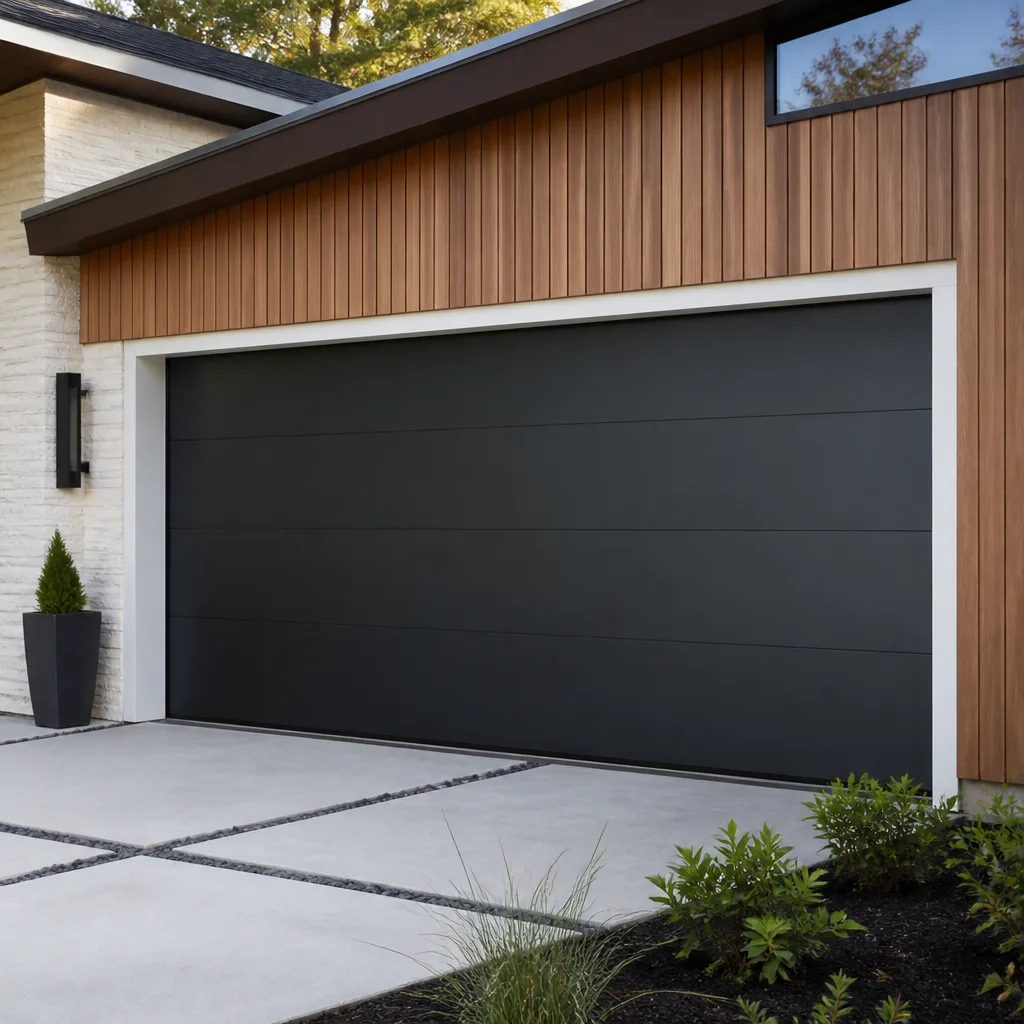 Modern flush
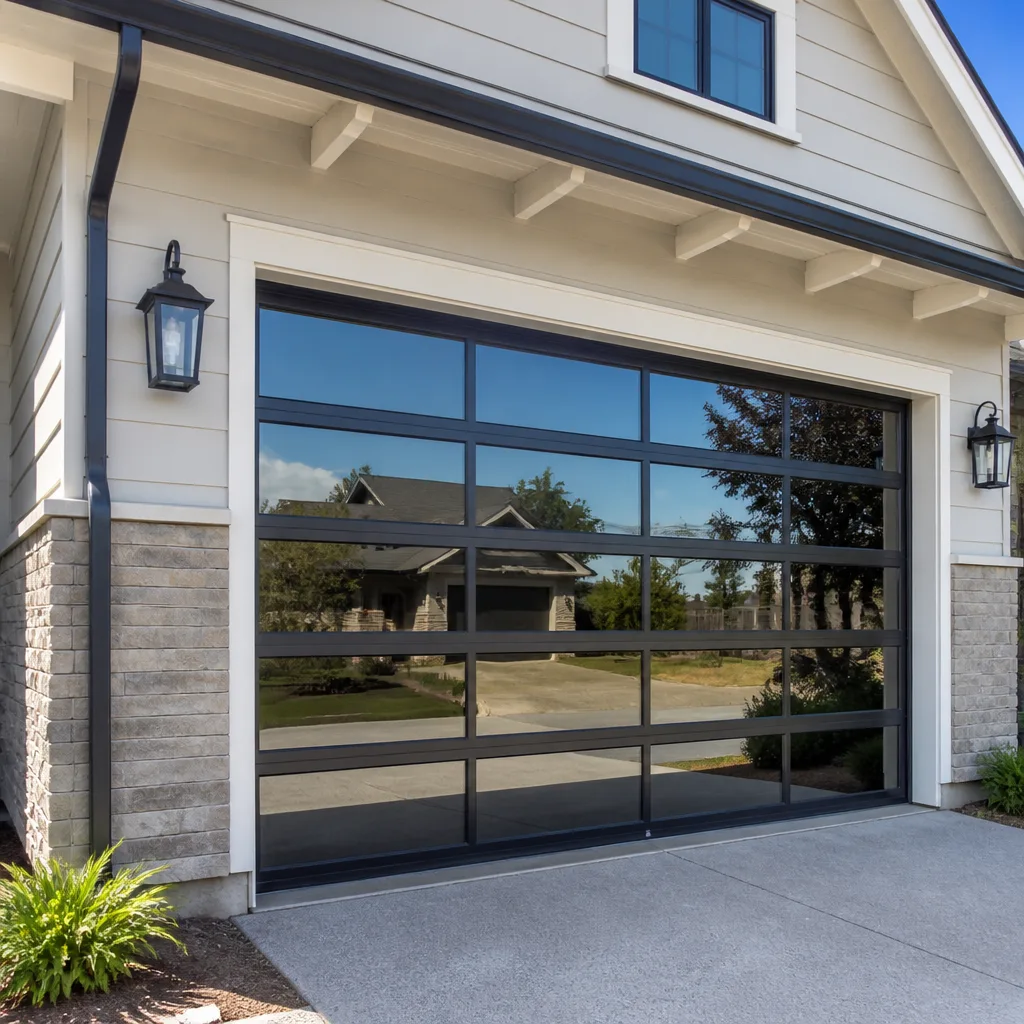 Full-view glass
 LiftMaster openers
 Chamberlain openers
Full 25-point door and opener safety check with every visit - springs, cables, rollers, tracks, and your LiftMaster or Chamberlain opener included
You get a price before we start. It does not change when the pro arrives.
Get your free estimateSeasonal Garage Door Care for Richmond: Year-Round Homeowner’s Guide
Most homeowners expect winter to be the hard season for a garage door. In Richmond, it usually isn’t. The damage that shows up as a cracked torsion spring or a warped wood panel in April was often set in motion during the slow swing from cold to warm, when humidity climbs fast and a door that sat tight and stiff all winter starts expanding, swelling, and stressing hardware that never got checked. This guide maps the right task to the right month on Richmond’s actual calendar, from the James River humidity of July to the freeze-thaw cycles of January, so you’re catching problems when they’re cheap to fix. You’ll learn the spring inspection sequence, the pre-winter prep that matters most here, and when a job belongs in our hands instead of yours.
Quick Answer
Seasonal garage door care in Richmond means matching maintenance to four real seasons: a spring inspection that catches winter damage before it compounds, summer attention to humidity and weather sealing, a fall tune-up focused on the components most exposed to freeze-thaw cycling, and post-storm checks after the summer thunderstorm season. The single highest-value habit is a deliberate inspection in early spring, right after the humidity spike, when warped wood and stressed springs first reveal themselves.
Styles & brands we work with
- Raised-panel steel
- Carriage house
- Modern flush
- Full-view glass
- LiftMaster openers
- Chamberlain openers
Table of Contents
- Why Richmond’s Four Seasons Are Hard on Garage Doors
- Spring in Richmond: The Inspection That Catches Winter Damage
- Summer Humidity: Weather Sealing, Wood Panels, and Opener Electronics
- After the Storms: Assessing Post-Thunderstorm Condition
- Fall Prep: Getting Ready for Virginia Freeze-Thaw Cycling
- Winter Care: What to Watch When the Temperature Drops
- Month-by-Month Task Calendar for Richmond
- Common Mistakes to Avoid
Why Richmond’s Four Seasons Are Hard on Garage Doors
Richmond gets a real version of every season, and that’s the problem. A garage door is a several-hundred-pound moving part made of steel, wood, aluminum, glass, and rubber, all bolted to a frame that expands and contracts with the weather. In a climate with a mild but humid summer and a winter that regularly dips below freezing, that frame moves a lot over twelve months. Each move puts a little more strain on the springs, hinges, rollers, and seals than a door in a steadier climate ever sees.
The neighborhoods around Richmond show this in different ways. Older homes in the Fan and Museum District often have original wood doors that swell and stick in July and dry out and gap in January. Newer construction out in Short Pump and Glen Allen tends to have steel doors and smart openers, which brings its own set of seasonal issues around electronics and sealing. In our experience across the region, the failure patterns track the seasons closely enough that you can plan around them.
- Spring: the humidity climb stresses wood and spring steel at the same time.
- Summer: heat and moisture work on seals, gaskets, and opener circuitry.
- Fall: freeze-thaw cycles begin, and lubrication matters more than ever.
- Winter: cold makes metal brittle and stiff, and the door works hardest.
The point isn’t to scare you. It’s that a Richmond door has four different failure modes over a year, and a single generic “annual maintenance” checklist misses three of them. This guide fixes that.
Spring in Richmond: The Inspection That Catches Winter Damage
Spring is the most important inspection window on Richmond’s calendar. After a cold winter, the first warm, humid stretch is when wood doors start to swell and torsion springs that were stressed by the cold begin to show hairline cracks. Catching these in April is far cheaper than discovering them as a snapped spring in June. Here’s the sequence we recommend, done in order, once the weather starts to warm.
- Look at the door from outside, closed. Check that it sits flush and level across the bottom. A gap on one side often means a panel has warped or a hinge has loosened over the winter.
- Open and close it slowly by hand (with the opener disconnected if you can do so safely). Listen for grinding, squeaking, or a door that feels heavy or jerky. That points to rollers, hinges, or spring tension.
- Inspect the springs visually. Look for gaps, rust, or a stretched look. Never touch, adjust, or try to wind a torsion spring yourself. These are under extreme tension and can cause serious injury. If something looks wrong, stop and call a trained technician.
- Check the weather seal along the bottom and sides. Winter cold hardens rubber, and spring is when cracks and gaps first appear.
- Test the safety reverse. Put a small object in the door’s path and confirm it reverses. This is a safety check, not a repair.
If step three turns up anything suspicious, that’s where we come in. Spring work is the highest-risk repair on any door, and it’s the one most worth handing to a specialist. Our technicians have up to 14 years of experience with both torsion and extension springs.
Summer Humidity: Weather Sealing, Wood Panels, and Opener Electronics
Richmond summers are humid, and that humidity does three specific things to a garage door. It swells wood, it works on rubber seals, and it stresses opener electronics. Each has a different early warning sign, and catching them in June or July saves a bigger repair in the fall.
Wood doors are the most affected. Panels absorb moisture, swell, and can stick or bind against the frame. If your door is a wood model, watch for panels that rub, a door that suddenly needs more force to close, or paint that’s blistering along the bottom edge. Steel and aluminum doors from brands like Clopay and Amarr handle humidity better, but their bottom seals still harden and crack. A worn seal lets water and pests in and lets cooled air out, so replacing it early is worth it.
Opener electronics feel the heat and damp too. Wi-Fi and smart-home units from LiftMaster and Chamberlain can act up in high humidity, with remotes that intermittently fail or a wall control that seems sluggish. Sometimes it’s a battery or a sensor alignment. Sometimes it’s a board issue that a trained technician should look at rather than a homeowner guessing. If a smart opener starts misbehaving every July, that pattern is worth a professional look.
- Wood doors: check for swelling, sticking, and blistering paint.
- Seals: look for hardened, cracked, or separated rubber along the bottom.
- Openers: note any intermittent remote or smart-control issues.
- Hardware: squeaks and grinds get worse in heat; lubricate moving parts.
After the Storms: Assessing Post-Thunderstorm Condition
Richmond’s summer thunderstorm season brings wind, driving rain, and the occasional fallen limb. Hail is uncommon here, so the risk isn’t usually impact damage from above. It’s wind loading on the door and water pushed in around the seals and frame. A quick, careful check after a big storm catches most issues before they become repairs.
- Walk the full door with the light on. Look for dents, bent panels, or a door that’s no longer square in its frame. Wind can twist a panel without obvious visible damage.
- Check the tracks for debris. Small branches, leaves, and grit get into tracks and cause the door to bind. Clear debris with the door fully closed and the opener off.
- Look for water intrusion. Puddles inside the garage near the door mean the bottom seal or frame seal has failed and needs attention.
- Test the balance and reverse. A door that suddenly feels heavy or won’t reverse after a storm may have a bent track or a loosened spring.
- Check the opener’s alignment and sensors. A shifted photo-eye or a bumped track will stop the door from closing reliably.
If a panel is bent or a track is out of line, don’t force the door. A twisted door under spring tension can fail suddenly and dangerously. We handle post-storm assessments and repairs across Richmond, and if a panel or track needs replacing, we work on the brand you already own.
Fall Prep: Getting Ready for Virginia Freeze-Thaw Cycling
Fall is when Richmond’s freeze-thaw cycles begin, and they’re the quiet culprit behind a lot of winter failures. Water seeps into small cracks and gaps during the day, freezes overnight, expands, and widens them. Repeat that for a few months and a minor gap becomes a real problem. Fall prep is mostly about closing those gaps and making sure the door moves freely before the cold sets in.
The components most vulnerable to freeze-thaw cycling are the bottom seal, the hinges, the rollers, and the springs. A hardened bottom seal that cracks in the cold lets water in. Stiff hinges and rollers make the door work harder, which loads the springs. Lubricating the moving metal parts with a door-specific lubricant before the first hard freeze makes a real difference. So does checking that the door closes flush and the seal actually contacts the ground all the way across.
- Bottom seal and frame seal: replace if cracked, hard, or separated.
- Hinges and rollers: lubricate with a garage-door lubricant, not household oil.
- Springs: have a technician check tension and look for early wear.
- Opener force settings: test the reverse and don’t rely on excess force to close a stiff door.
- Tracks: confirm they’re straight, clean, and clear of debris before the cold.
If any of this feels beyond a visual check, that’s normal. Fall is a good time to book a professional tune-up so the door goes into winter in good shape. A free estimate costs you nothing and can head off a mid-winter breakdown.
Winter Care: What to Watch When the Temperature Drops
Winter makes metal brittle and stiff, and it’s when a Richmond garage door works hardest. The cold doesn’t usually cause failures on its own, but it exposes weaknesses that built up during the rest of the year. A spring that had a hairline crack in October is more likely to snap in January. A seal that was already hard will crack for good in the cold. This is the season to watch, not to tinker.
Keep the door path clear of snow and ice, and never force a frozen door open. If the bottom seal is frozen to the ground, forcing the opener can strip a gear or damage a panel. Clear the ice first. Watch for a door that suddenly feels heavier or won’t stay at the halfway point, both signs of spring trouble. If a spring fails, don’t run the opener on a door with a broken spring. It can damage the opener and pull the door off balance, which is dangerous.
Spring failures don’t wait for a convenient time. If a door fails, call us. We answer 24/7, and we offer same-day service for urgent repairs. A call outside dispatch hours is booked into the next opening, Sunday through Friday, 7am to 7pm.
Month-by-Month Task Calendar for Richmond
Here’s the seasonal calendar we recommend, mapped to Richmond’s actual weather patterns rather than a generic four-season template. The exact week shifts year to year, but the order holds.
- March: First visual inspection. Check for winter damage, look at seals and springs, listen for new noises.
- April: The critical spring inspection sequence. Watch for wood swelling and spring cracks as humidity climbs. This is the highest-value check of the year.
- May: Seal and hardware check. Lubricate moving parts and confirm the bottom seal is intact before summer heat.
- June: Humidity watch. Check wood panels for swelling, openers for intermittent issues, and seals for early cracking.
- July: Peak humidity. Recheck wood doors and smart openers. Clear tracks of grit.
- August: Post-storm checks after thunderstorm activity. Inspect for wind damage, debris, and water intrusion.
- September: Pre-fall tune-up. Replace worn seals, lubricate hinges and rollers, check opener force and reverse.
- October: Freeze-thaw prep. Close gaps, confirm the door closes flush, have a technician check spring tension.
- November: Last pre-winter check. Clear tracks, test balance and safety reverse.
- December through February: Winter watch. Keep the path clear, never force a frozen door, and call at the first sign of spring trouble.
The two dates that matter most are the April spring inspection and the October freeze-thaw prep. Miss the rest and you’ll likely be fine. Miss those two and you’re inviting the expensive repairs.
Common Mistakes to Avoid
- Skipping the spring inspection. Richmond’s post-winter humidity spike is when damage first shows. Wait until summer and you’re fixing problems that were cheap in April.
- Treating maintenance as a once-a-year event. A single annual tune-up misses the humidity, storm, and freeze-thaw windows that hit Richmond doors at different times.
- Adjusting or winding a spring yourself. Torsion springs are under extreme tension and this is a genuinely dangerous job. It’s the repair most worth handing to a trained technician.
- Using the wrong lubricant. Household oil attracts grit and dries out. Use a garage-door-specific lubricant on hinges and rollers.
- Ignoring a worn bottom seal. A cracked seal lets water in, and in Richmond’s freeze-thaw winters that water widens the gap every cycle.
- Forcing a stiff or frozen door. Running the opener on a stuck door strips gears and strains the whole system. Clear the ice and call if it won’t move.
- Assuming a smart opener problem is just a battery. Intermittent issues on LiftMaster or Chamberlain units in humid months can be a board or alignment issue worth a professional look.
See the difference
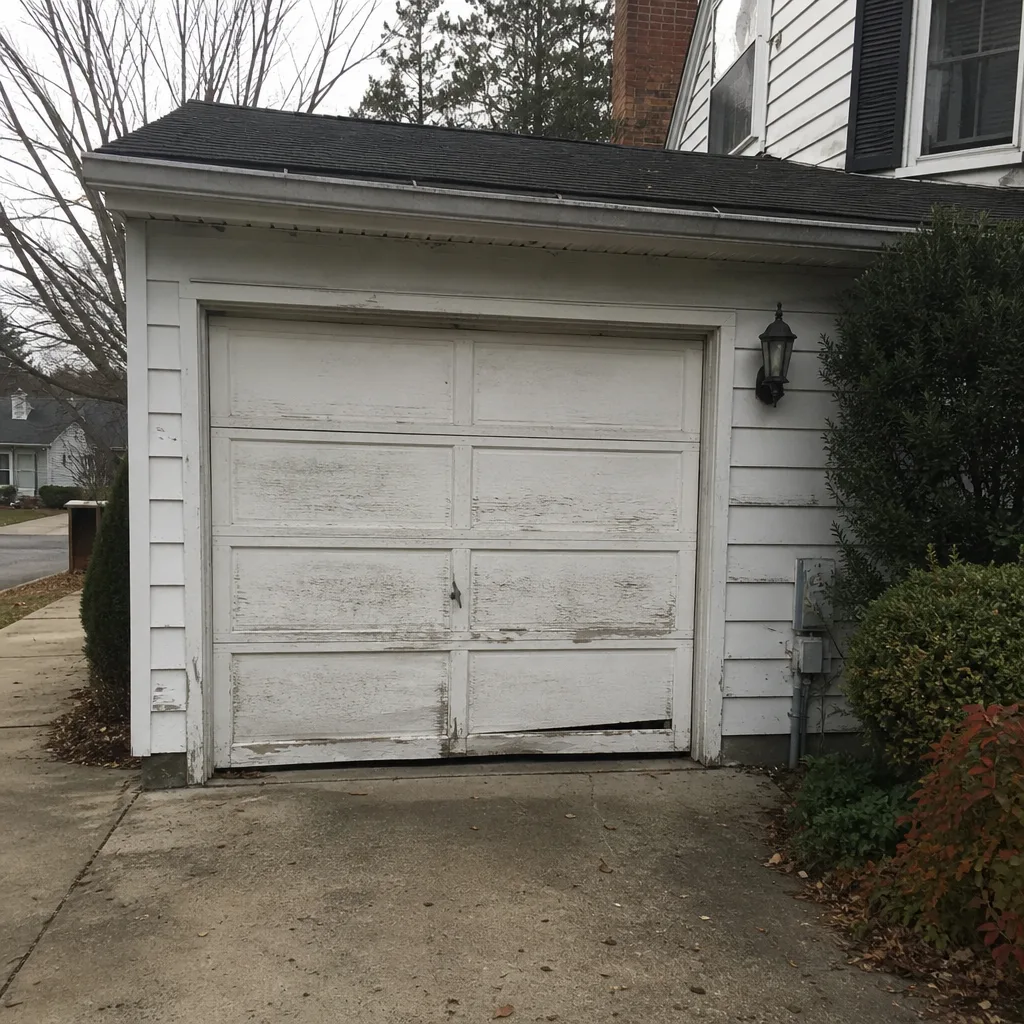 Before
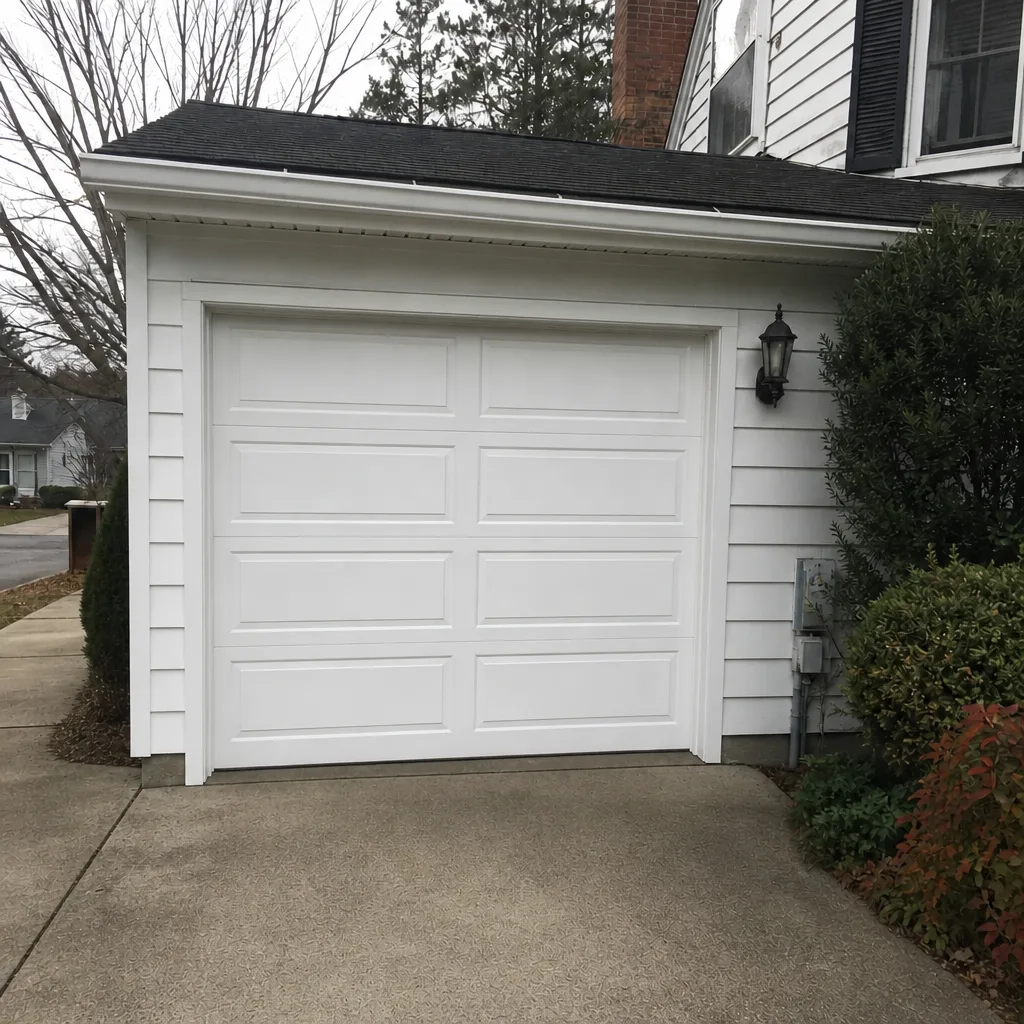 After
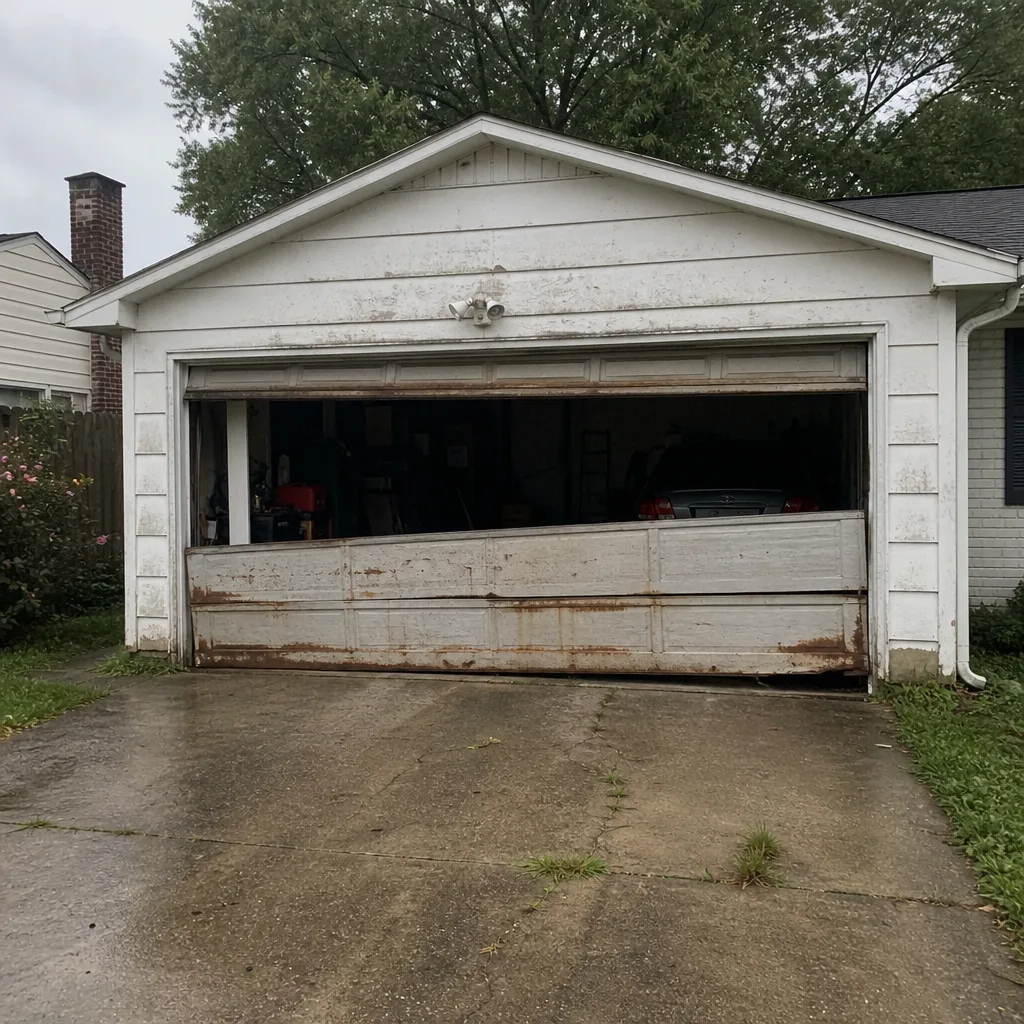 Before
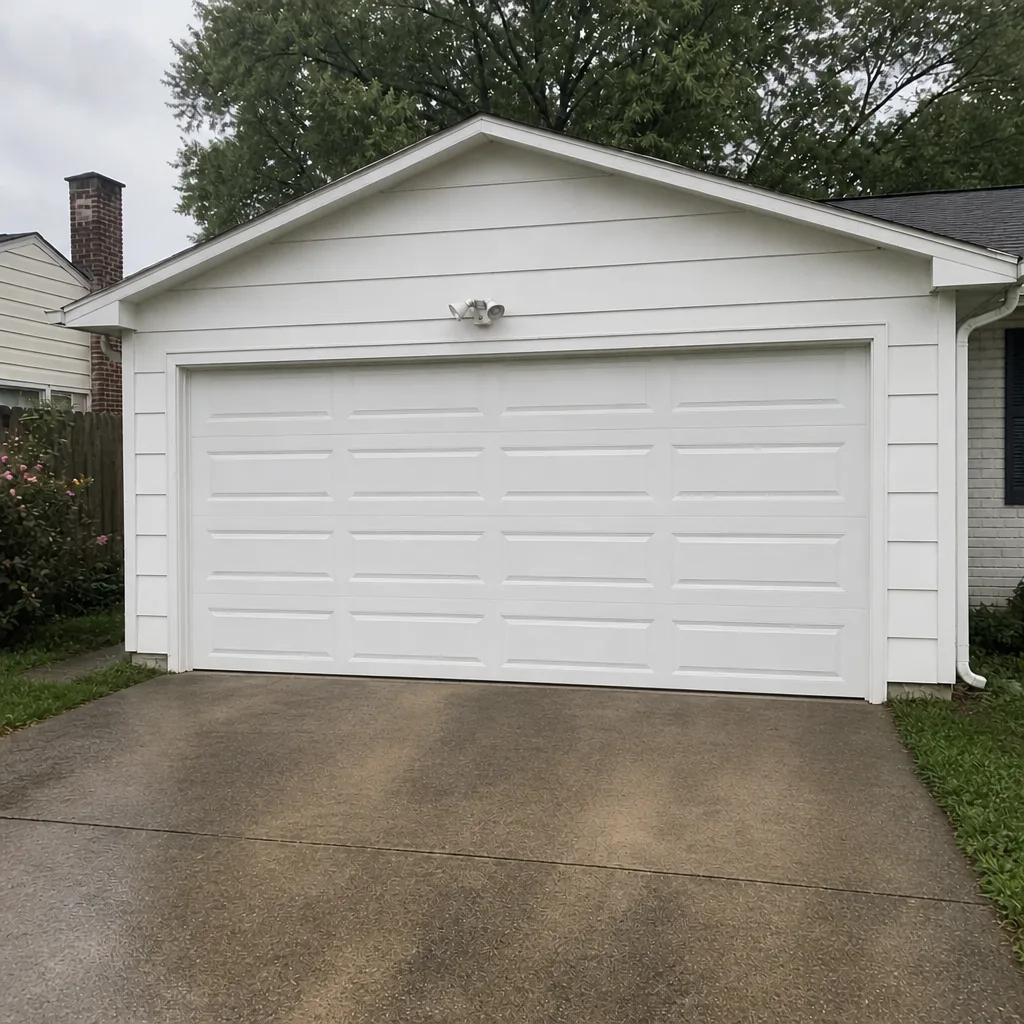 After
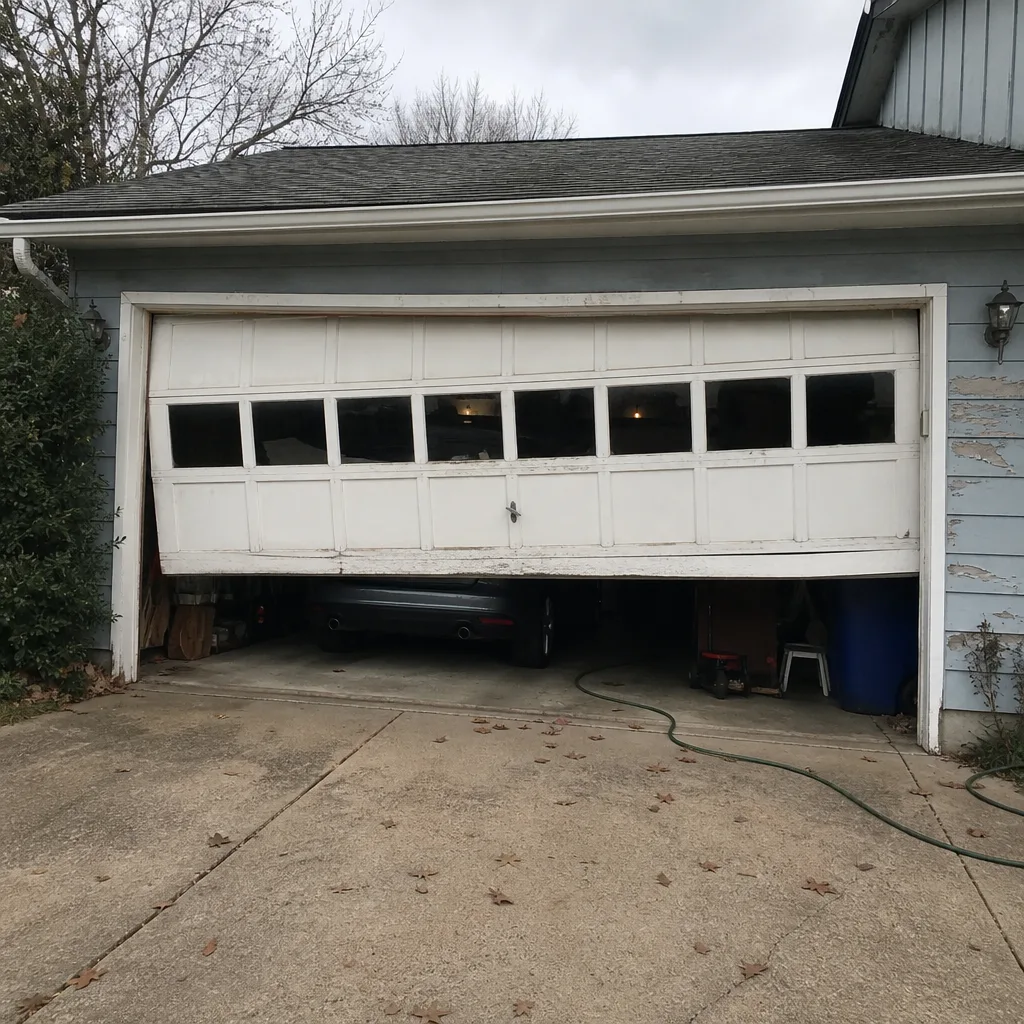 Before
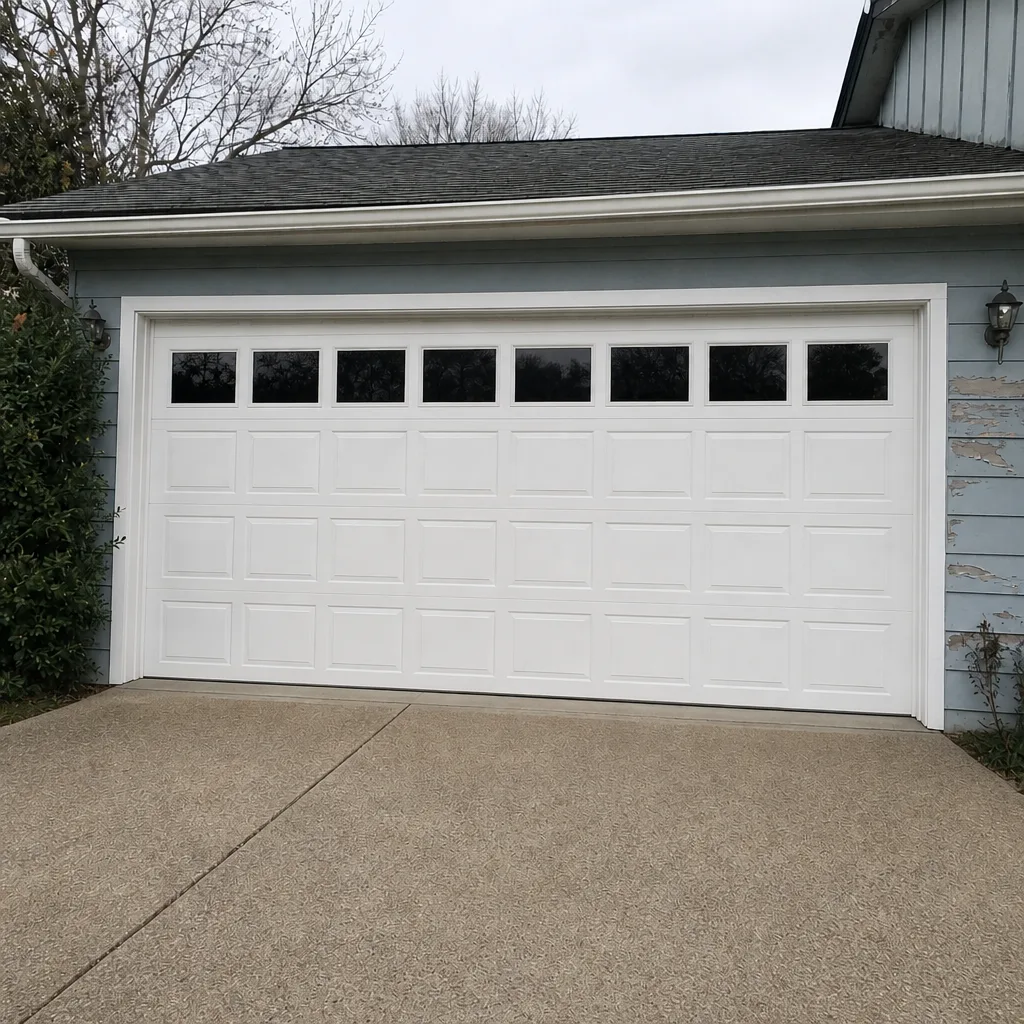 After
When to Call a Professional
Some tasks are homeowner-friendly: keeping the path clear, clearing debris, and a visual look now and then. But call a professional when a spring looks worn or fails, when the door is out of balance or feels heavy, when a panel or track is bent after a storm, or when an opener misbehaves in a way that doesn’t clear up with a new battery or a sensor realignment. Spring work especially is a job for trained hands, and it’s the repair we handle most. We work on the brand you already own, across LiftMaster, Chamberlain, Genie, Clopay, Amarr, Wayne Dalton, Craftsman, and Raynor, so you don’t need to track down a second company. Richmond Garage Door Repair Pros offers free estimates in Richmond. Call (866) 353-3562. We answer 24/7, with fast dispatch from 7am to 7pm, Sunday through Friday. We’re closed Saturday.
Frequently Asked Questions
Early spring is the most important window on Richmond’s calendar, right after the first warm, humid stretch that follows winter. That’s when wood doors start to swell and torsion springs stressed by the cold begin to show cracks. A spring inspection done then catches most issues before they compound.
Summer humidity swells wood panels, hardens and cracks rubber seals, and can stress opener electronics on smart units. Wood doors may stick or bind, seals lose their seal, and Wi-Fi openers can act up intermittently. A quick summer check of panels, seals, and the opener catches these early.
Yes, for anything beyond a visual look. Garage door springs are under extreme tension and can cause serious injury if handled wrong, so window-winding and tension adjustments belong with a trained technician. We handle both torsion and extension spring work, and our technicians have up to 14 years of experience.
Walk the full door with the light on and look for dents, bent panels, and a door that’s no longer square. Clear debris from the tracks, check for water intrusion around the seals, and test the balance and safety reverse. If a panel or track is bent, call us rather than forcing the door.
Fall is when freeze-thaw cycles begin, and they’re the quiet culprit behind many winter failures. Water seeps into small cracks, freezes overnight, expands, and widens them. Closing gaps, replacing worn seals, and lubricating moving parts in the fall heads off a lot of winter trouble.
Yes, same-day service is available for urgent repairs. Call (866) 353-3562. We answer 24/7, with fast dispatch from 7am to 7pm, Sunday through Friday. We’re closed Saturday, and a call outside dispatch hours is booked into the next opening.
The Bottom Line
Richmond’s four seasons each create a different failure mode for a garage door, and the homeowners who avoid expensive repairs are the ones who do the right task at the right time of year. The two dates that matter most are the April spring inspection, which catches winter damage before it compounds, and the October freeze-thaw prep, which heads off winter failures. Between them, watch for humidity effects in summer and check carefully after storms. If a spring looks worn, a door is out of balance, or an opener misbehaves, call us at (866) 353-3562 for a free estimate. We’re your Richmond Garage Door Repair Pros, focused on doors only.
For the full picture of what we cover, see our garage door repair services, our garage door opener repair work across smart-home brands, and complete garage door installation when a replacement makes more sense than another repair.
Written by the team at Richmond Garage Door Repair Pros.