
Last updated November 21, 2026
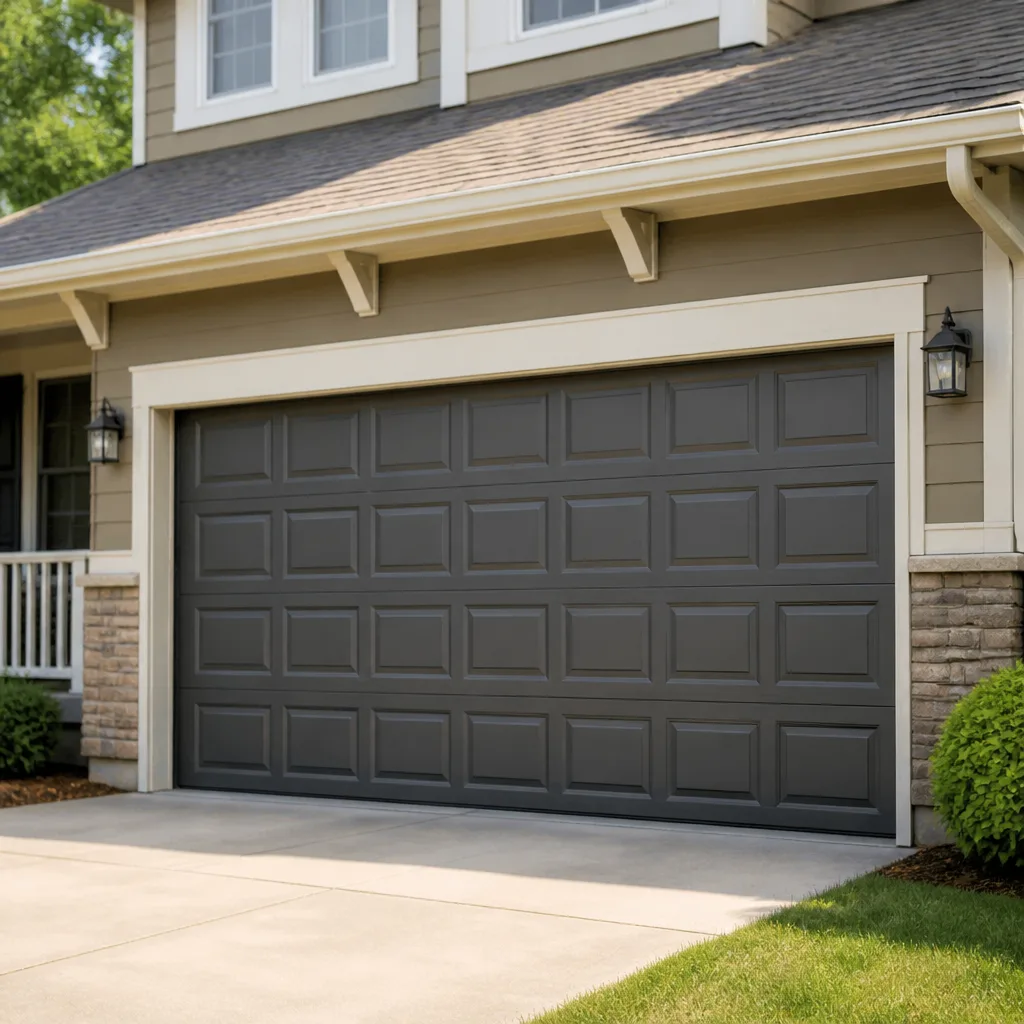 Raised-panel steel
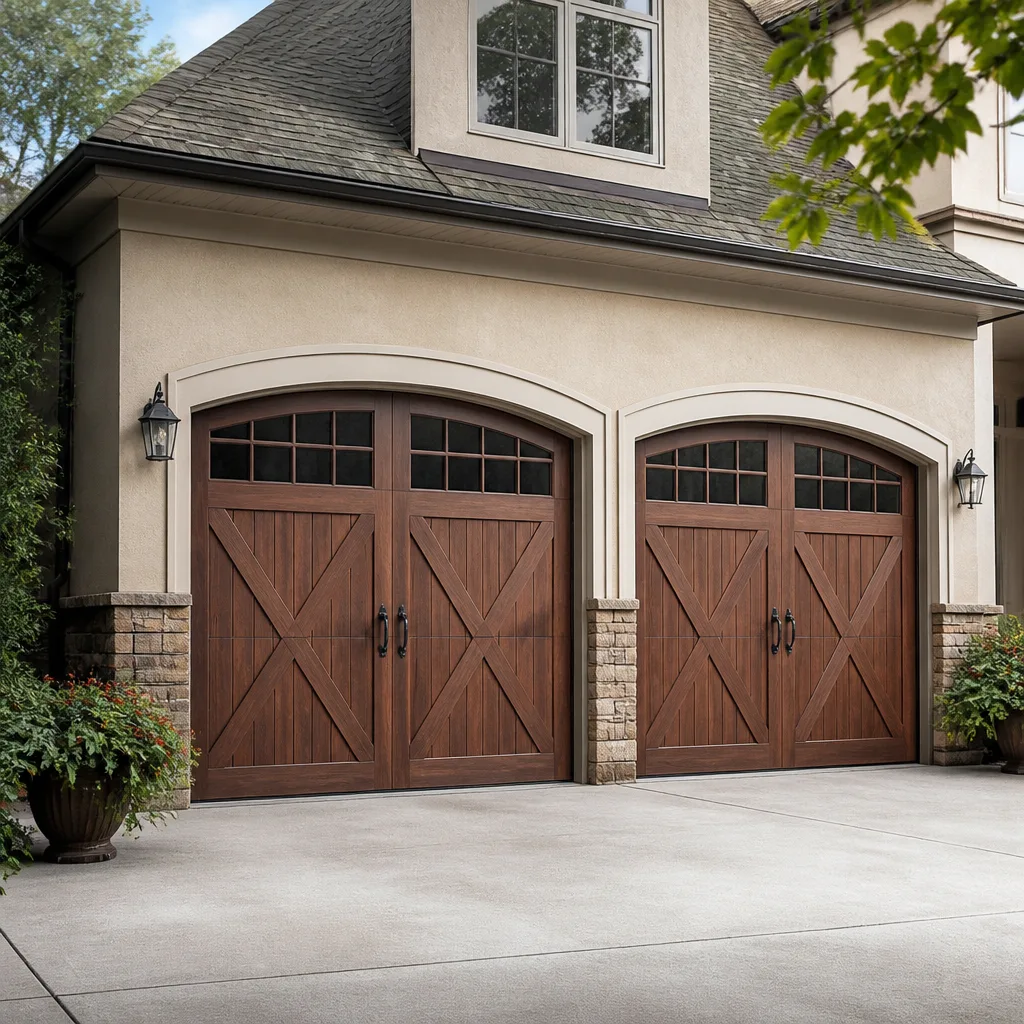 Carriage house
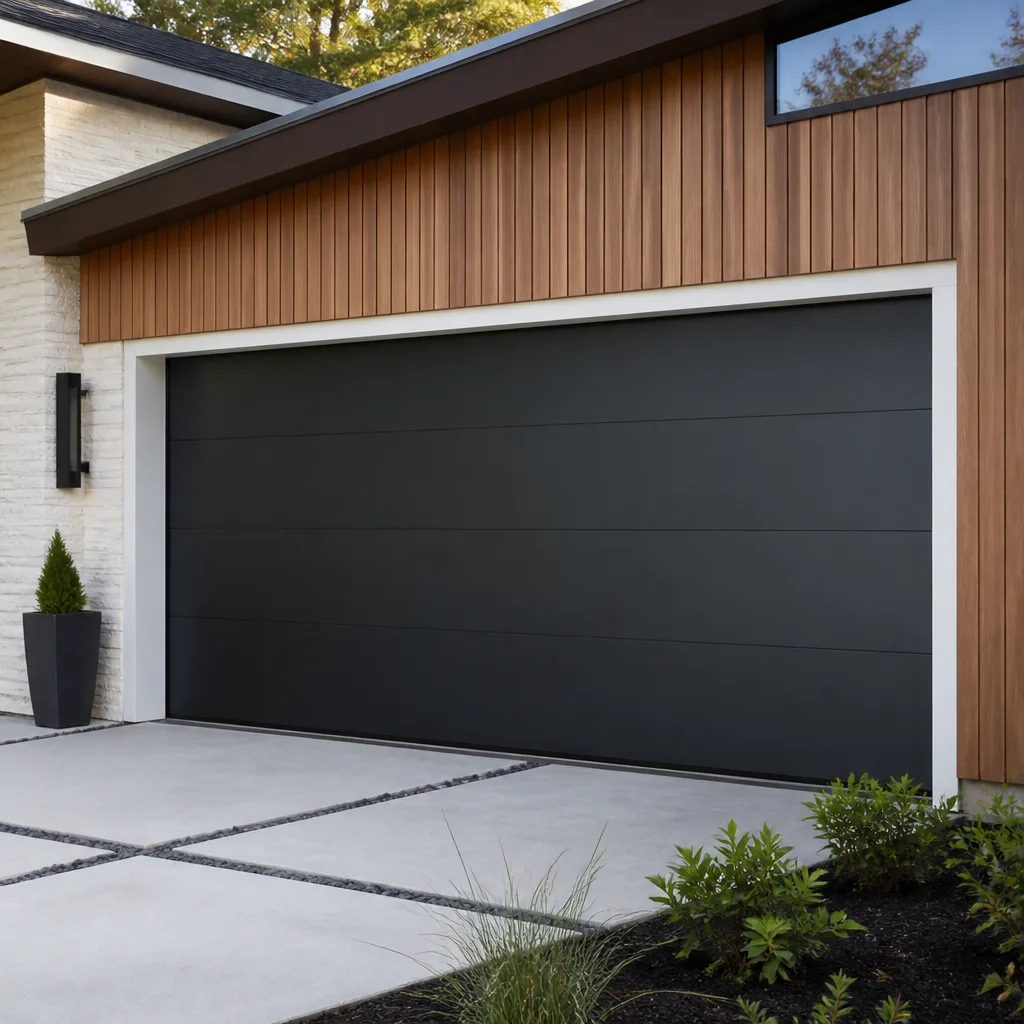 Modern flush
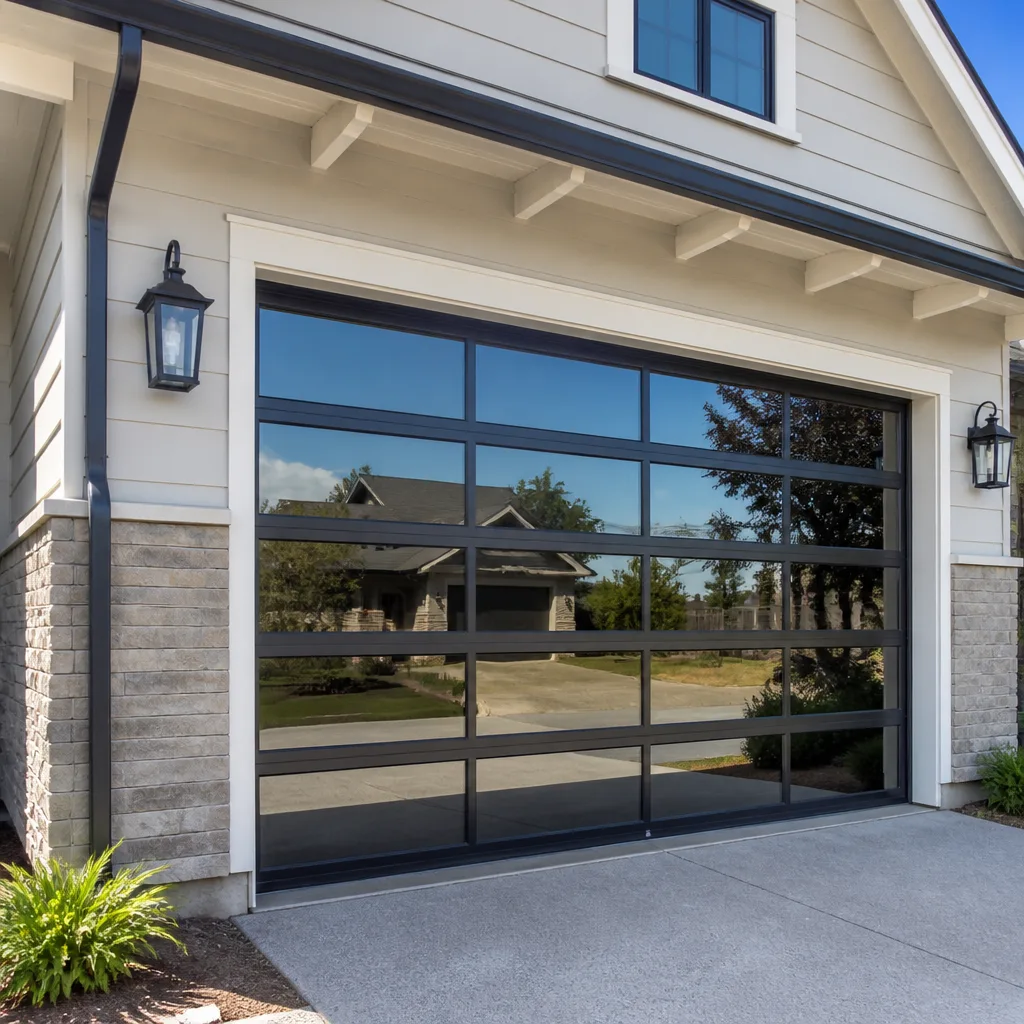 Full-view glass
 LiftMaster openers
 Chamberlain openers
Full 25-point door and opener safety check with every visit - springs, cables, rollers, tracks, and your LiftMaster or Chamberlain opener included
You get a price before we start. It does not change when the pro arrives.
Get your free estimateDIY vs Professional Garage Door: The Richmond Homeowner’s Decision Guide
Most DIY garage door advice splits into two useless camps: “it’s easy, watch a video” or “never touch it, call a pro.” Neither helps you decide. The real question isn’t how hard the job looks. It’s which specific tasks carry injury or liability risk no tutorial can remove, and which ones a careful homeowner with a few basic tools can genuinely handle. Torsion spring work causes more serious DIY injuries than almost any other home repair, not because homeowners are careless, but because a wound spring stores roughly 100 foot-pounds of torque and most videos never explain what that means if something slips. This guide draws the line task by task so you can make a real decision for your Richmond home.
Quick Answer
Replace torsion springs, cables, and any structural track or panel work professionally. Adjust the opener’s force and travel limits, lubricate moving parts, replace weather seals, and test safety sensors yourself. Skip DIY entirely on anything under live spring tension, and know that opener and door warranty terms often hinge on who did the work. Below is the task-by-task reasoning, the actual physics, and a way to run the math on whether doing it yourself really saves money.
Styles & brands we work with
- Raised-panel steel
- Carriage house
- Modern flush
- Full-view glass
- LiftMaster openers
- Chamberlain openers
Table of Contents
- The Risk Line: Which Tasks Carry Real Danger
- Torsion Spring Tension: What 100 Foot-Pounds Really Means
- Task-by-Task Breakdown: Safe, Caution, Do Not Attempt
- Which DIY Repairs Void Door and Opener Warranties
- The Tools a Richmond Homeowner Actually Needs
- Does DIY Actually Save Money?
- Richmond Climate, Housing, and Door Aging
- When the Door Fails and You Can’t Wait
The Risk Line: Which Tasks Carry Real Danger
Garage doors aren’t like a sticky drawer or a loose hinge. The entire system holds a 300-pound moving part in balance against two springs under constant tension. That’s the whole risk picture. The springs are doing the lifting; the opener mostly just steers. When you work on a component that’s fighting that tension, you’re working on a loaded system, and loaded systems fail suddenly rather than gradually.
The line isn’t about your competence. A homeowner who’s replaced a water heater can probably swap a weather seal perfectly. A homeowner who’s done electrical work can reset an opener’s travel limits. What separates safe DIY from dangerous DIY is whether the task requires releasing or working against stored mechanical energy. If it does, the risk isn’t skill-dependent; it’s physics-dependent.
Here’s the line in plain terms:
- Safe to DIY: tasks where the door is at rest and the springs are at their neutral position.
- Proceed with caution: tasks that involve the moving door but not the loaded springs or cables.
- Do not attempt: anything requiring you to unload, hold, adjust, or remove a torsion or extension spring, a cable, a drum, or a structural track.
In Richmond, we’ve seen plenty of door systems where a homeowner had carefully adjusted the opener, gotten comfortable, and then decided to try the spring. That’s the crossover point where a straightforward task becomes a medical one. The dividing line isn’t “mechanical versus electrical” or “hard versus easy.” It’s “unloaded versus loaded.”
Torsion Spring Tension: What 100 Foot-Pounds Really Means
A fully wound torsion spring stores roughly 100 foot-pounds of torque. That phrase gets repeated endlessly, but most tutorials never translate it. Foot-pounds measure turning force: one foot-pound is one pound of weight on a one-foot lever. A hundred foot-pounds means, at a one-foot radius, the spring is pushing with the equivalent force of a hundred pounds of weight. Wound three or four turns, the torque stacks up toward hundreds of foot-pounds.
What that means in practice:
- If you use a winding bar and lose your grip, the spring doesn’t slow down. It releases the way a wound clock spring does, except with hundreds of pounds behind it.
- Winding bars slip out of place. A DIYer using a screwdriver, a wrench, or a generic bar without a proper drop hole loses control fast because there’s nothing to catch the tool when it swings.
- The spring can unwind explosively if you release one side before the other, and the force transfers to the cable, the drum, and the shaft in a single motion.
- A wound spring at rest sits under tension even when the door is down and nothing appears to be moving. The door being closed tells you nothing about how loaded the spring is.
Here’s what most videos don’t say: even the correct tool in the correct hole doesn’t tell you how the spring was originally sized. Every Clopay, Amarr, or Wayne Dalton door has a spring engineered to the door’s weight and track geometry. If a homeowner substitutes a heavier duty spring and gets the winding count wrong, the door balances badly and puts extra load on the opener. On a Craftsman or LiftMaster opener, that extra load often shows up as premature wear on the drive gear. This is the difference between a five-minute opener fix and a door that needs re-engineering. It’s the main reason we treat spring work as a trained-technician task rather than a homeowner one.
Task-by-Task Breakdown: Safe, Caution, Do Not Attempt
This is the section most Richmond homeowners come for. Here’s the breakdown, task by task.
Safe to DIY
- Lubricate hinges, rollers, and the track. A little white lithium grease or silicone spray on the pivot points quiets a door fast. Don’t spray the track itself; wipe it clean and let the rollers carry the lubricant.
- Replace weather seals and bottom rubber. If the bottom seal is torn or brittle, a replacement slides into the retainer and lasts for years. In Richmond’s humid summers, seals crack faster than in drier regions.
- Test and align safety sensors. Press the wall control and watch the door stop when you break the beam. If the LEDs blink, wipe the lens and check alignment. Both sensors should be roughly six inches above the floor.
- Adjust opener force and travel limits. Use the opener’s control panel and the owner’s manual for your LiftMaster or Chamberlain. Set travel so the door closes fully but compresses the seal only slightly, and reduce force until the door reverses too easily, then bump it back one notch.
- Clean photo-eye and wall control contacts. Loose wire nuts and dirty lens will mimic a dead opener.
- Reconnect the opener after a manual release. Pull the release rope, then re-engage the trolley per the manual.
Proceed With Caution
- Bracket adjustment on the door bottom or top. Safe if the door is in the closed position and you’re only turning a bolt; stop if the spring starts to move.
- Roller replacement. The door needs to be secured in the open position and held there with vice grips on the track. Manageable, but only when you understand the door’s weight distribution.
- Opener installation or replacement. Achievable for a strong DIYer on a sectional door, but the opener’s force and travel must be dialed in exactly. Most accidental back-drive on openers happens because a homeowner set travel too far, and the door got driven into the header.
Do Not Attempt
- Torsion and extension spring replacement. Both need unloading and reloading under tension. The injury risk doesn’t drop with care.
- Cable replacement or adjustment. Cables are the springs’ backup. A slipping cable with tension on it whips, and the risk isn’t a cut; it’s a serious injury.
- Track realignment and panel removal. If a track is bent or a panel is out of its hinge, the door may be out of balance. Anyone working on it is working on two problems at once.
- Drum replacement and center bearing plate work. These sit inside the spring’s path.
If the door dropped, jumped, or hung at an angle, that’s a “Do Not Attempt” case until a technician has seen it. Because of the loaded-spring risk, we treat all spring and cable work as a trained-technician job, not something to defer to a general handyman.
Which DIY Repairs Void Door and Opener Warranties
Warranty terms differ by brand and by what was done. But a few patterns show up consistently across the brands most Richmond homes own.
- Opener warranties on Craftsman, Chamberlain, and LiftMaster typically exclude damage caused by improper install or adjustment – traveled past the floor or header, or installed on an unbalanced door.
- Door warranties on Clopay, Amarr, and Wayne Dalton usually cover panel finishes and structural integrity, but not damage caused by a track that was forced back into place or by an install that put the door out of square.
- Spring and hardware warranties generally don’t cover DIY-installed springs, even if the spring itself later failed.
- Any brand often requires professional installation to honor the opener’s warranty on smart-home features like Wi-Fi or battery backup.
We can’t tell you how a specific warranty claim will land; that’s up to the manufacturer and the paper that came in the box. But the pattern matters: the cheap safe-DIY tasks almost never touch a warranty, and the risky tasks almost always do. Adding a second concern to a broken door isn’t worth it. We’re familiar with how LiftMaster, Chamberlain, Genie, and Craftsman openers are put together because we work on those brands every week. A homeowner using the owner’s manual can safely set limits and force. A homeowner reading a generic YouTube comment section cannot safely set a torsion spring.
The Tools a Richmond Homeowner Actually Needs
You don’t need a workbench full of specialty gear to handle the safe DIY list. Here’s what covers it, without a pile of unnecessary purchases.
- A 3/8 or 1/2-inch socket set. Covers track bolts, hinge bolts, and most brackets on standard residential doors.
- A cordless drill with a nut driver bit. Speeds up hinge adjustments.
- Two vise grips. To clamp the door in the open position when rolling or looking at brackets.
- White lithium grease or silicone spray. For hinges and rollers.
- A level. To check the track isn’t drifting.
- A tape measure. For seal sizing and travel checks.
- A small flashlight or headlamp. Track interiors get dark fast.
That’s it. None of these help with a torsion spring, and that’s the point. If a guide tells you to also buy winding bars and a steel cable kit, it’s quietly telling you to attempt the risky work. We work on the brand you already own across all 8 major lines – Craftsman, Raynor, LiftMaster, Chamberlain, Genie, Clopay, Amarr, and Wayne Dalton – so we’ve seen how the small, sensible tools are actually used day-to-day, and where the specialty ones only make sense for a trained technician.
Does DIY Actually Save Money?
Here’s the honest math. DIY saves money only if you finish the job and it stays fixed.
Run the calculation like this:
- Estimate the tool cost. If the job needs a tool you don’t own and will never use again, subtract that from the savings.
- Estimate your time honestly. A solid half-day is normal for a novice opener install. Add the trip to the home improvement store on Hull Street or West Broad, and the second trip when you find the missing bracket.
- Add the callback cost. If you fix the symptom but not the cause, the door fails again in a month and you’re back where you started, minus the first round of money.
- Add the warranty cost. If the DIY attempt voids the opener or door warranty, that’s a real number if the component fails within the coverage window.
- Add the safety cost. A wound spring that releases wrong is a trip to the emergency room, not a trip to the hardware store.
For the safe DIY list, DIY usually wins. For a spring, an opener install, or a track issue, the honest answer is that DIY rarely saves anything close to what the estimate is worth. We quote a free estimate so you can compare it against your own number without a fee hanging over the decision. The written estimate sets the final price, and nothing moves after that.
Richmond Climate, Housing, and Door Aging
Richmond’s weather works garage doors harder than most of the country. Summers run hot and humid; the humidity that fogs the river on an August morning also works on wood panel doors, hinges, and the bottom seal. Springs start to weaken as they cycle through heat and cold, and any door on an uninsulated garage tends to cycle more often because the homeowner uses the garage as a daily living space. That means more cycles, more wear, faster failure.
The housing stock in Richmond is varied enough that there’s no single “typical” garage door job. A door on an older home in the Museum District or the Fan might have an extension-spring setup, while a newer build in Short Pump usually has a torsion spring on a modern sectional door. In Church Hill, we’ve seen doors with unusual track geometry tied to the house itself. The point isn’t trivia; it’s that task-specific advice depends on the door. A general guide, including this one, has to point back to your actual hardware.
Winter cold snaps in Central Virginia also stiffen the grease and shrink the metal, which is when a door that “worked fine” in October suddenly won’t close because the opener force is too low. That’s a safe-DIY adjustment. A door that won’t close at all when the temperature is below freezing might also be a broken spring, and that’s not a safe-DIY task.
When the Door Fails and You Can’t Wait
Spring failures don’t wait for a convenient time. A door that won’t open puts the car in, or the car out, of service; a door that won’t close leaves the house unsecured. Those situations move past the DIY question because, even for a homeowner who could fix it, a broken spring or a torqued track can’t wait for a weekend project.
For time-sensitive failures we offer emergency garage door service, so a door that failed at the worst possible moment gets handled. Call (866) 353-3562. We answer 24/7. Fast dispatch from 7am to 7pm, Sunday through Friday. A call outside dispatch hours is booked into the next opening, Sunday through Friday, 7am to 7pm. Same-day service is available for many repair jobs.
We handle the full scope, including garage door repair, garage door opener repair, spring repair, and complete garage door installation. One company covers the whole job, from a single broken spring to a full brand replacement. Our technicians have up to 14 years of experience across LiftMaster, Chamberlain, Genie, Clopay, Amarr, Wayne Dalton, Craftsman, and Raynor equipment.
Replacement and install work are measured, ordered, and scheduled; that work has a free measure and a written price before anything is ordered. Repair work is the part that moves fast, and a repair that needs a spring or opener part can often be done the same day. If your door is currently stuck, treat the call as the first step. If you’re planning a replacement, treat the free estimate as the first step. Either way, call and get a number.
Common Mistakes to Avoid
- Treating a spring as a one-person, hardware-store job. A torsion or extension spring is engineered to the door’s weight, so any substitution needs re-calculating, not eyeballing. The wrong spring unloads on whoever’s winding it. A trained technician should size and install every spring.
- Cutting a cable or spring to “release” a stuck door. Cables are under tension. There’s no safe cutting method at home; if the door is stuck closed and you can’t release it, call us.
- Setting opener travel to force the door through resistance. If the door won’t close, the correct action is to find the resistance, not to raise the opener force. In Richmond’s cold snaps, walking up the force can hide a failing spring and burn out the opener’s drive gear at the same time.
- Buying the cheapest generic spring and guessing the winding count. Torsion springs are rated by wire gauge, inside diameter, and length. A Cheap spring that fits the shaft isn’t necessarily right for your door, and getting the winding count wrong puts all the load on the opener and cables.
- Lubricating the track itself. The track should be clean and dry. Grease on the track picks up grit, turns into grinding paste, and wears rollers. Lubricate the hinges and rollers; wipe the track down.
- Ignoring the safety sensors and assuming the door “just got heavier.” A door that reverses randomly is usually sensing an obstruction. Test the photo-eye before touching the spring.
- Attempting a spring repair and ignoring the door’s balance afterward. A door that’s out of balance will wear the opener faster, no matter how it looks when you close it.
When to Call a Professional
Call for anything that involves a loaded spring, a cable, a drum, or a track. Call if the door has dropped, hung, or jumped off its track. Call if the opener runs but the door doesn’t move, and you’ve already checked the manual release. Call if a spring is obviously broken (it has a visible gap, or the door is extremely heavy at the start of the opening cycle), and call if you’re not sure. In our experience, most Richmond homeowners who call early spend less overall than those who try the risky task first. The safe DIY list stays yours. The loaded-spring list should be ours. We offer free estimates in Richmond. Call (866) 353-3562.
See the difference
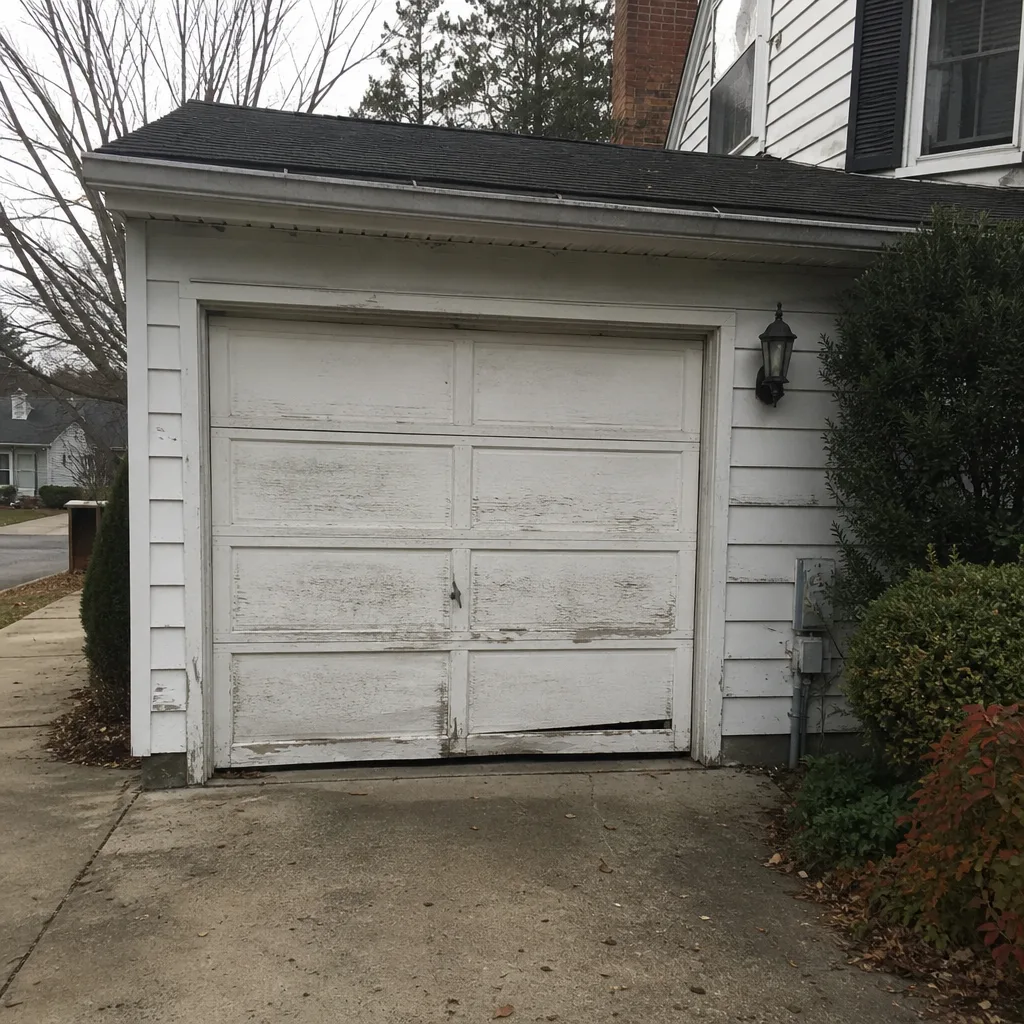 Before
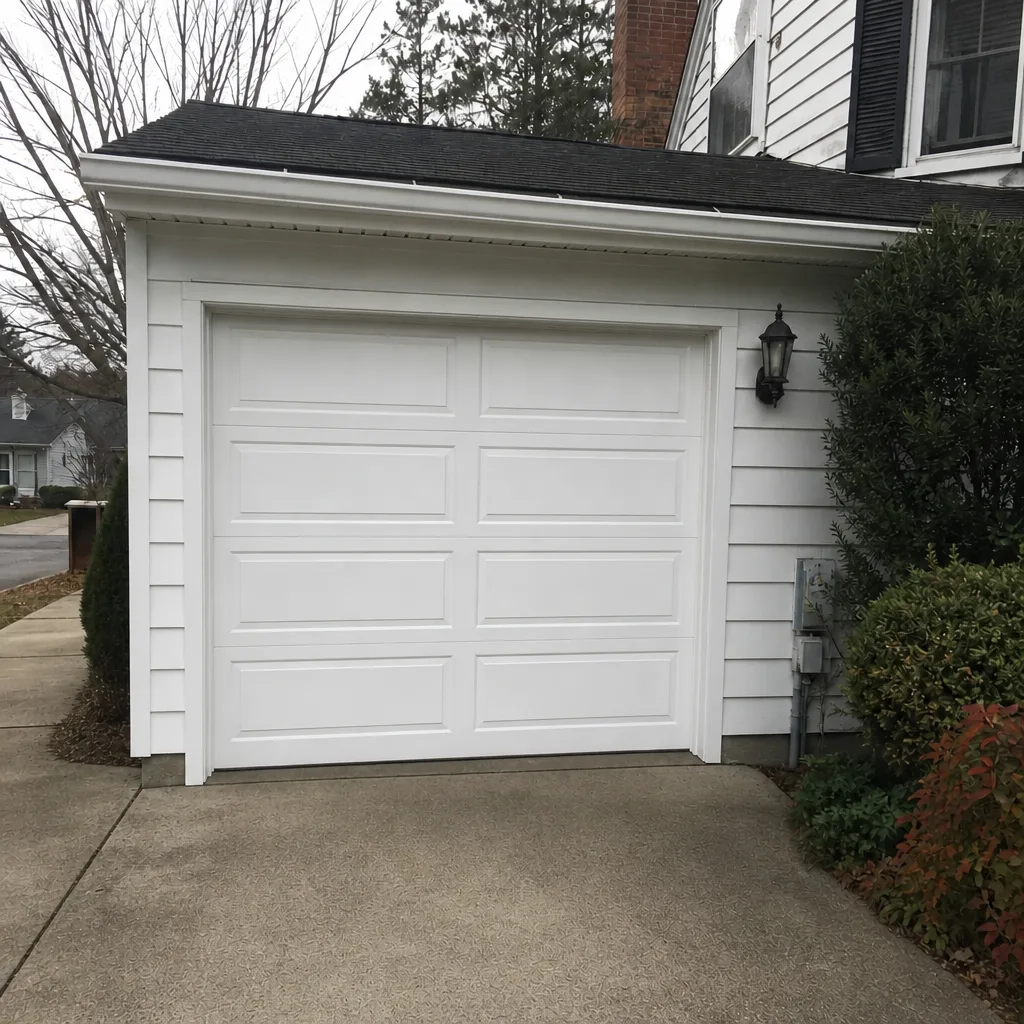 After
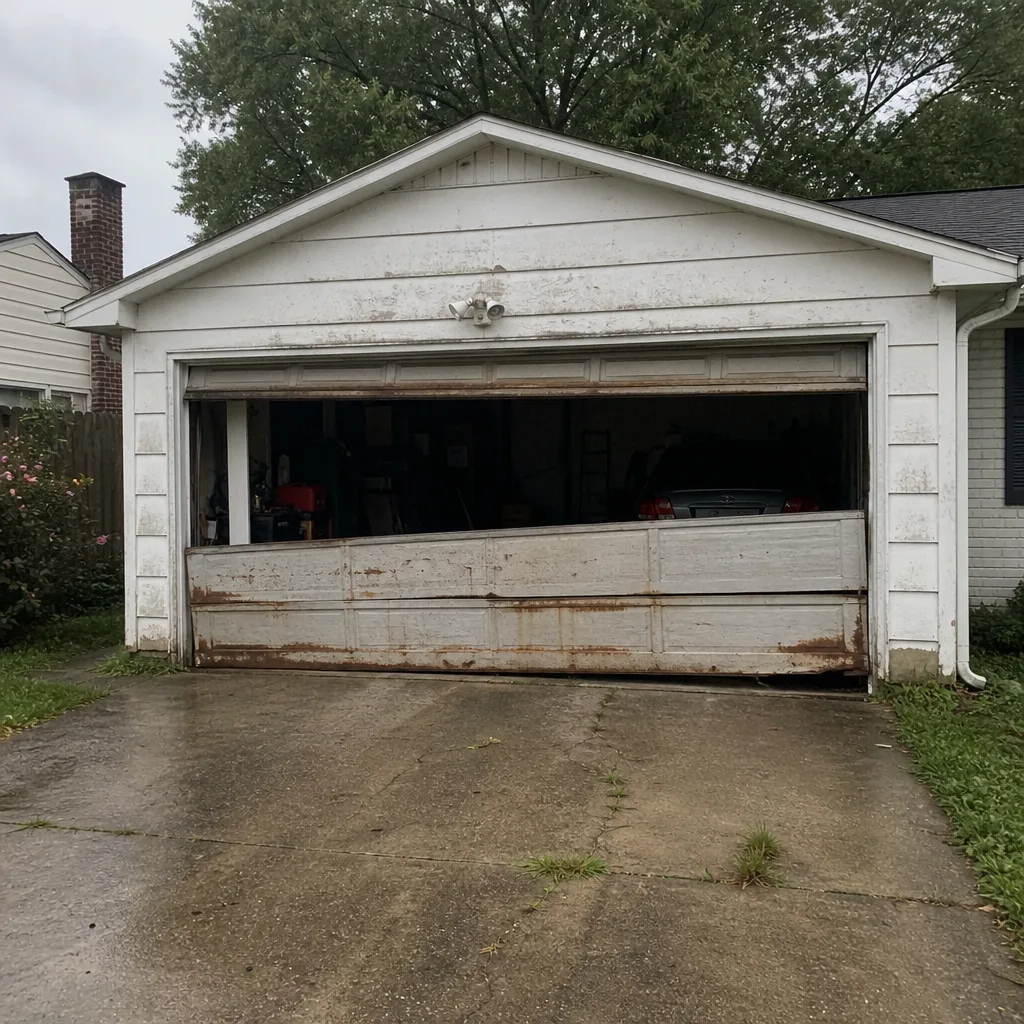 Before
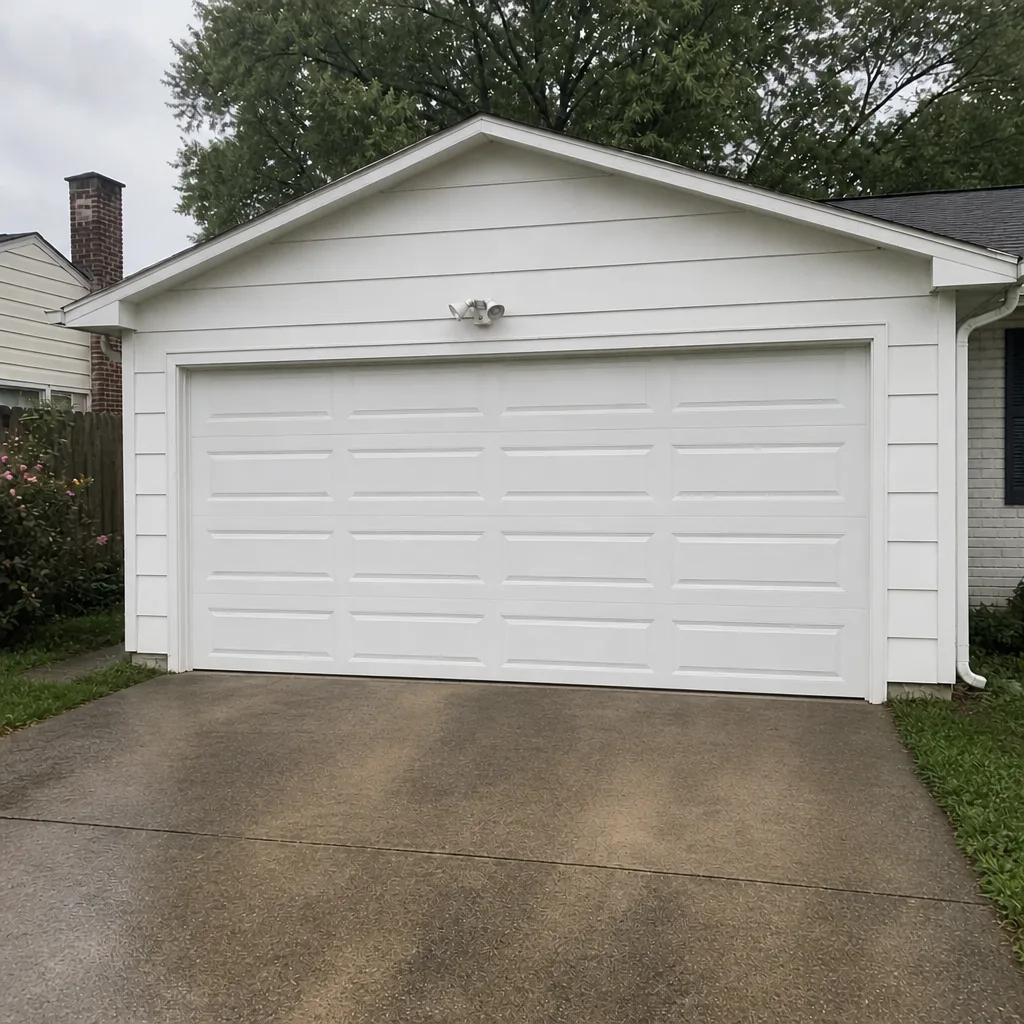 After
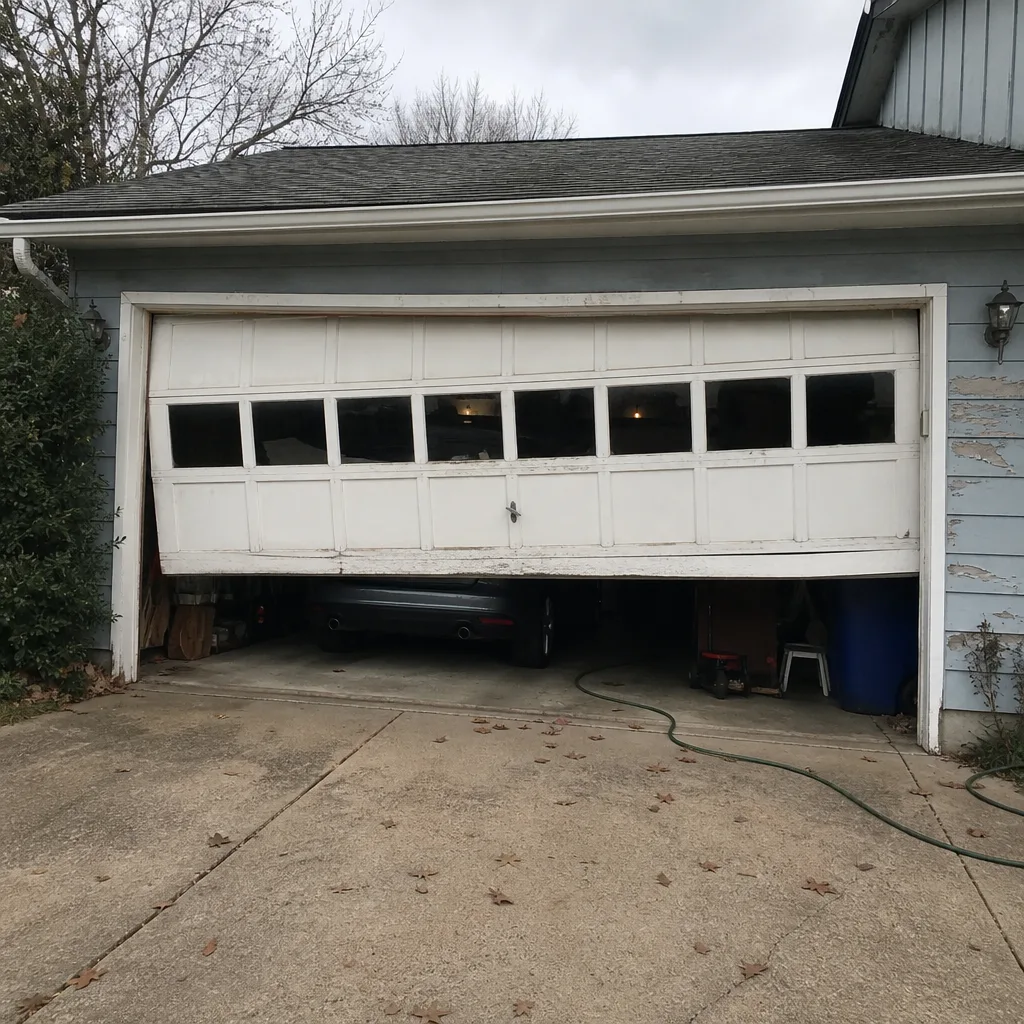 Before
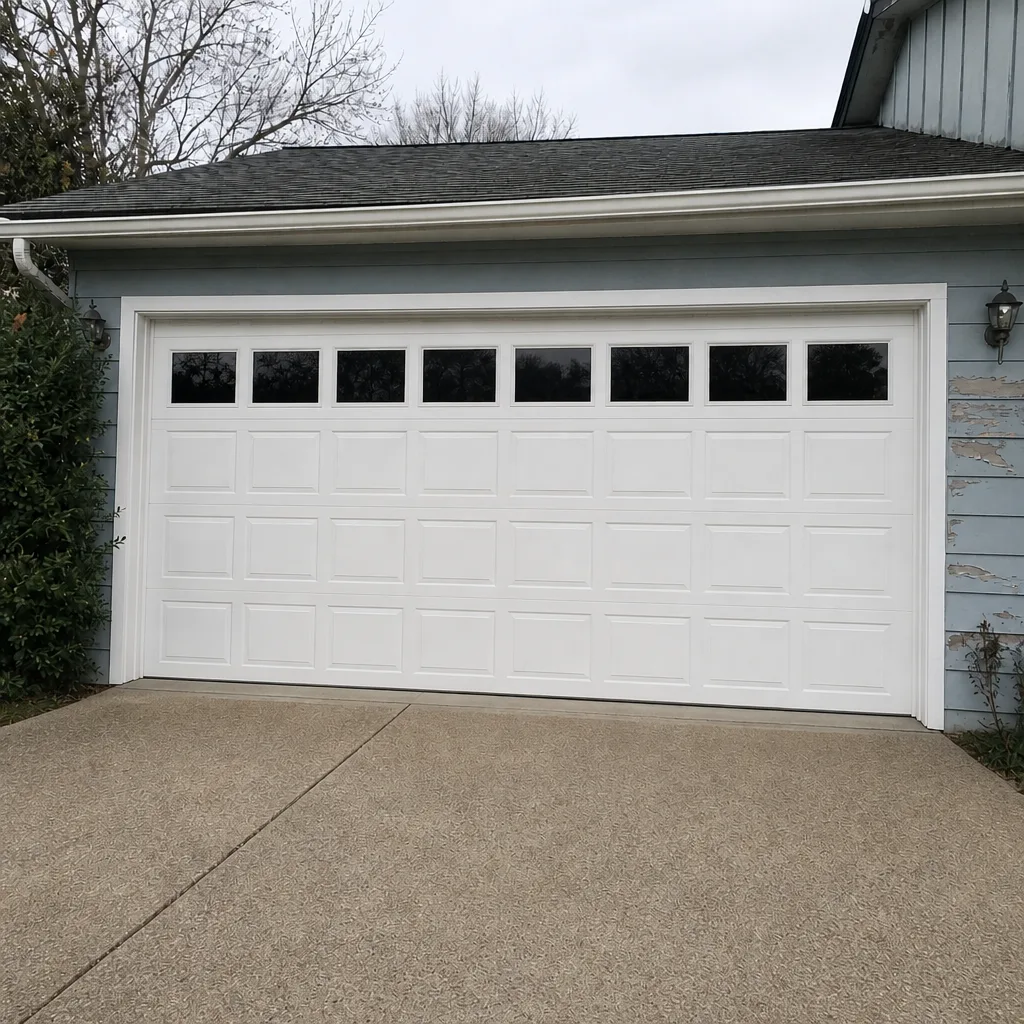 After
Frequently Asked Questions
No. Replacing a torsion spring requires unloading and reloading the spring under hundreds of foot-pounds of torque, and if the winding slips, the spring releases with serious injury potential. Use a winding bar and a safe method only if you’re a trained technician. For homeowners, this is a call-a-pro repair. Richmond Garage Door Repair Pros handles spring work on torsion and extension springs directly.
Adjusting the opener’s force and travel limits, lubricating hinges and rollers, replacing weather seals and bottom rubber, cleaning and testing safety sensors, and reconnecting the trolley after a manual release. Those tasks don’t involve the loaded spring, so they don’t carry the same risk. Call (866) 353-3562 if you’re unsure whether a job belongs on this list.
It depends on the brand and on which component failed, but the pattern is consistent: opener warranties commonly exclude improper install or maladjustment, and door warranties commonly exclude damage from forced track or unbalanced door work. Spring warranties generally don’t cover DIY spring installs at all. The cheap, safe DIY tasks usually don’t affect any of that.
A broken spring usually shows a visible gap in the coil or makes the door feel extremely heavy at the start of the lift. An out-of-adjustment door feels heavy throughout, or reverses before it should. Both are worth a call for a diagnosis.
Richmond humidity is hard on bottom seals and hinges, and it accelerates wear on wood and painted doors. It also pushes the door through more cycles, which is what actually wears the springs. That’s why bottoms seals here fail faster than in drier climates, and why a door that has been on the same spring for years should be checked.
No. Repair pricing is set per job by the written estimate, and nothing is billed beyond that number. We answer 24/7 and fast dispatch runs 7am to 7pm, Sunday through Friday. Same-day repair is often available, and estimates are free.
The Bottom Line
The DIY question for garage doors comes down to one rule: safe tasks are unloaded, risky tasks are loaded. You can set limits, replace seals, lubricate hinges, and test sensors without hesitation. You should not touch a torsion spring, an extension spring, a cable, a drum, or a track. The math backs it up. The warranty language backs it up. But the strongest reason is that a wound spring doesn’t care how careful you are, because the danger is mechanical, not skill-based. If you do decide to call, we handle repair, spring work, opener work, and full installation on LiftMaster, Chamberlain, Genie, Clopay, Amarr, Wayne Dalton, Craftsman, and Raynor equipment. One call. No second company.
Get a Free Estimate in Richmond
Call Richmond Garage Door Repair Pros at (866) 353-3562 for a free estimate. Estimates are free, the written estimate sets the final price, and the price is quoted and agreed before any work starts. We answer 24/7. Fast dispatch from 7am to 7pm, Sunday through Friday. Garage doors only. No plumbing, no HVAC, just doors.
Written by the team at Richmond Garage Door Repair Pros.