
Last updated November 21, 2026
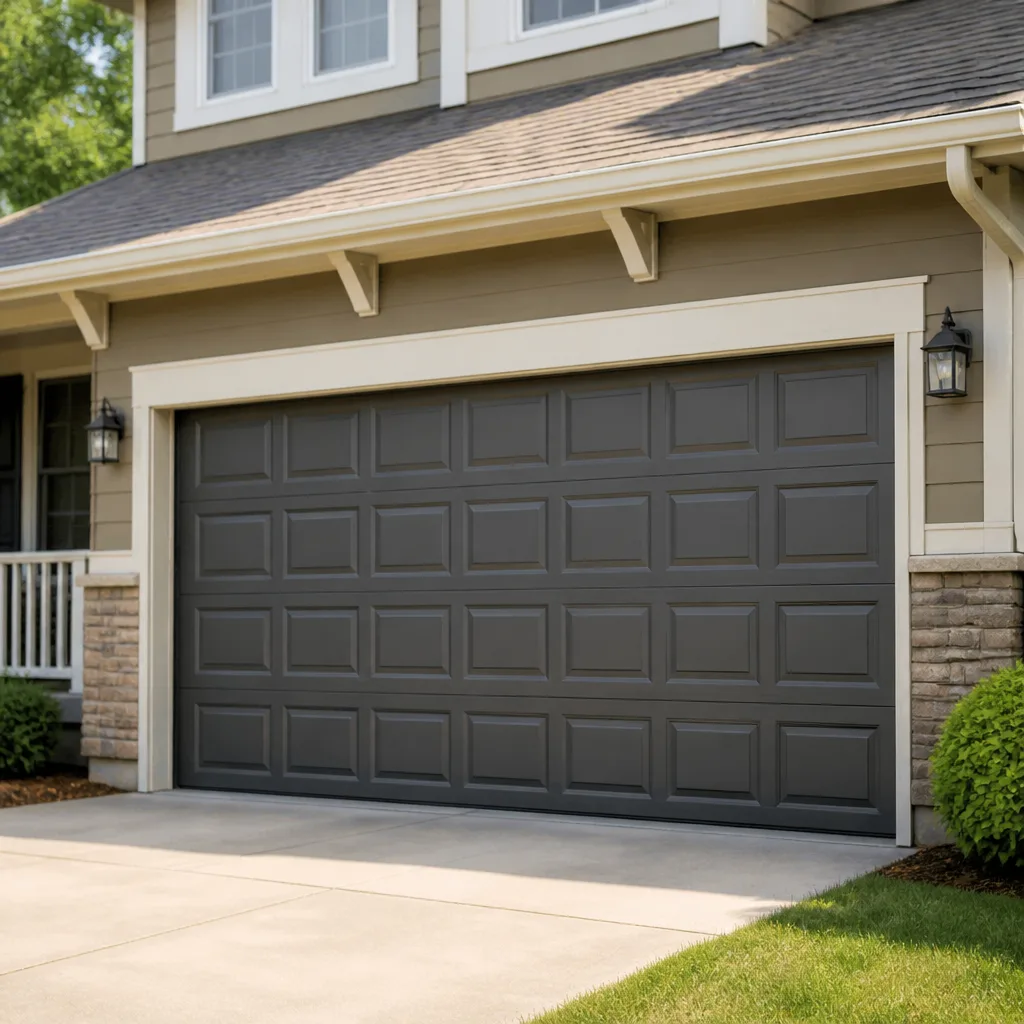 Raised-panel steel
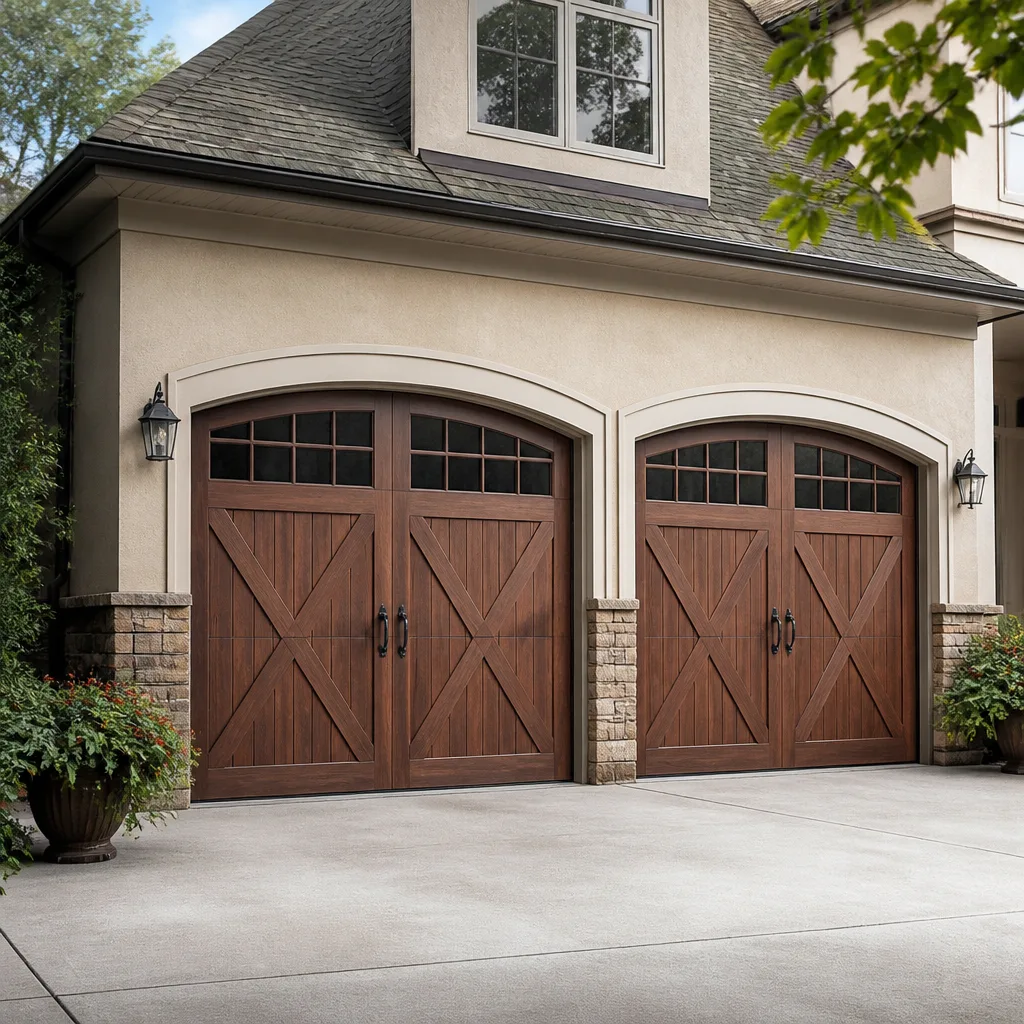 Carriage house
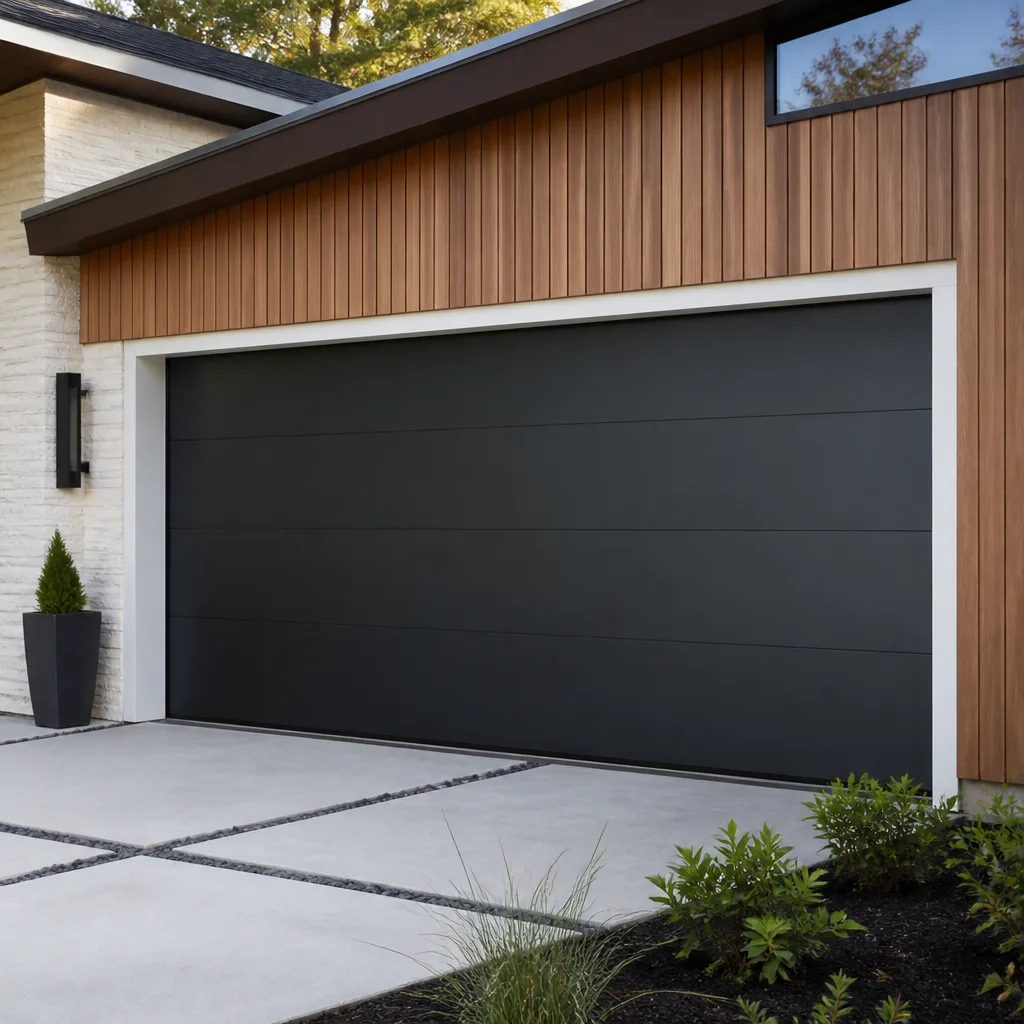 Modern flush
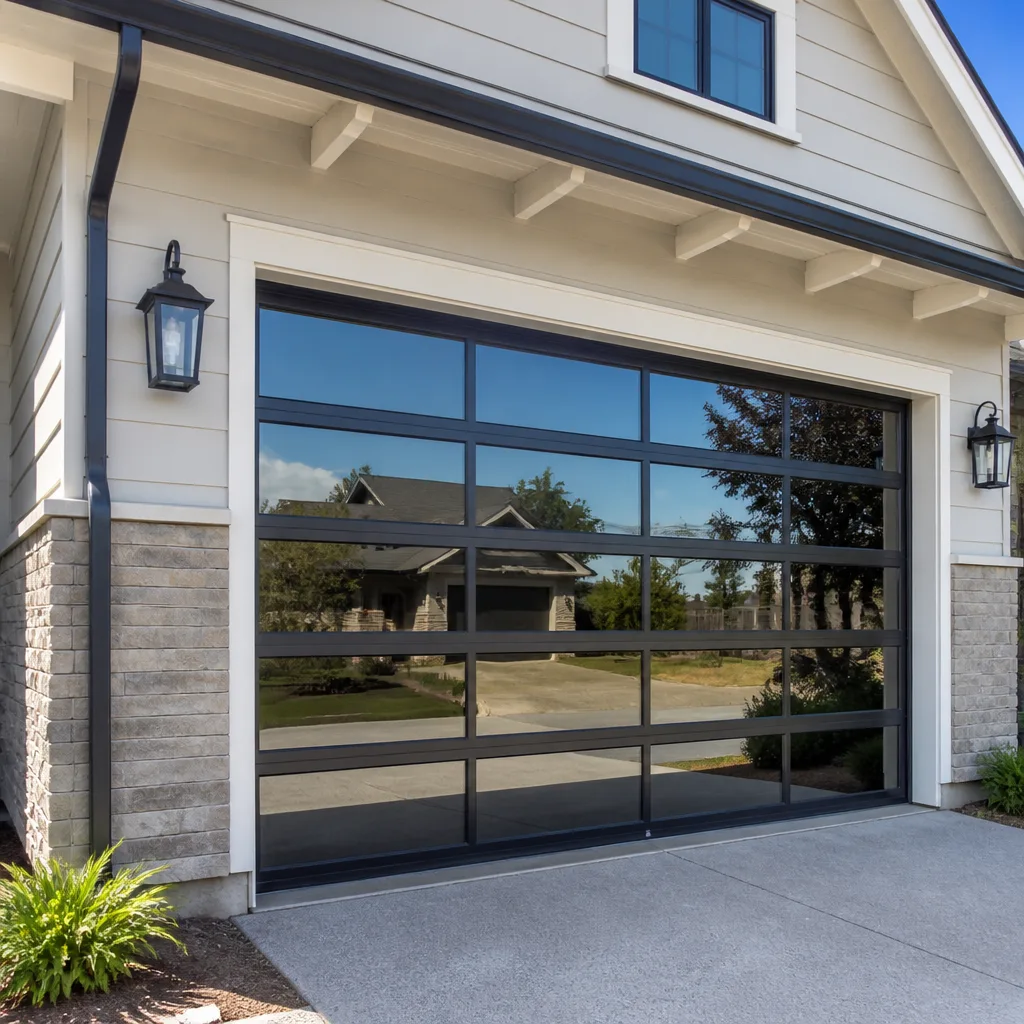 Full-view glass
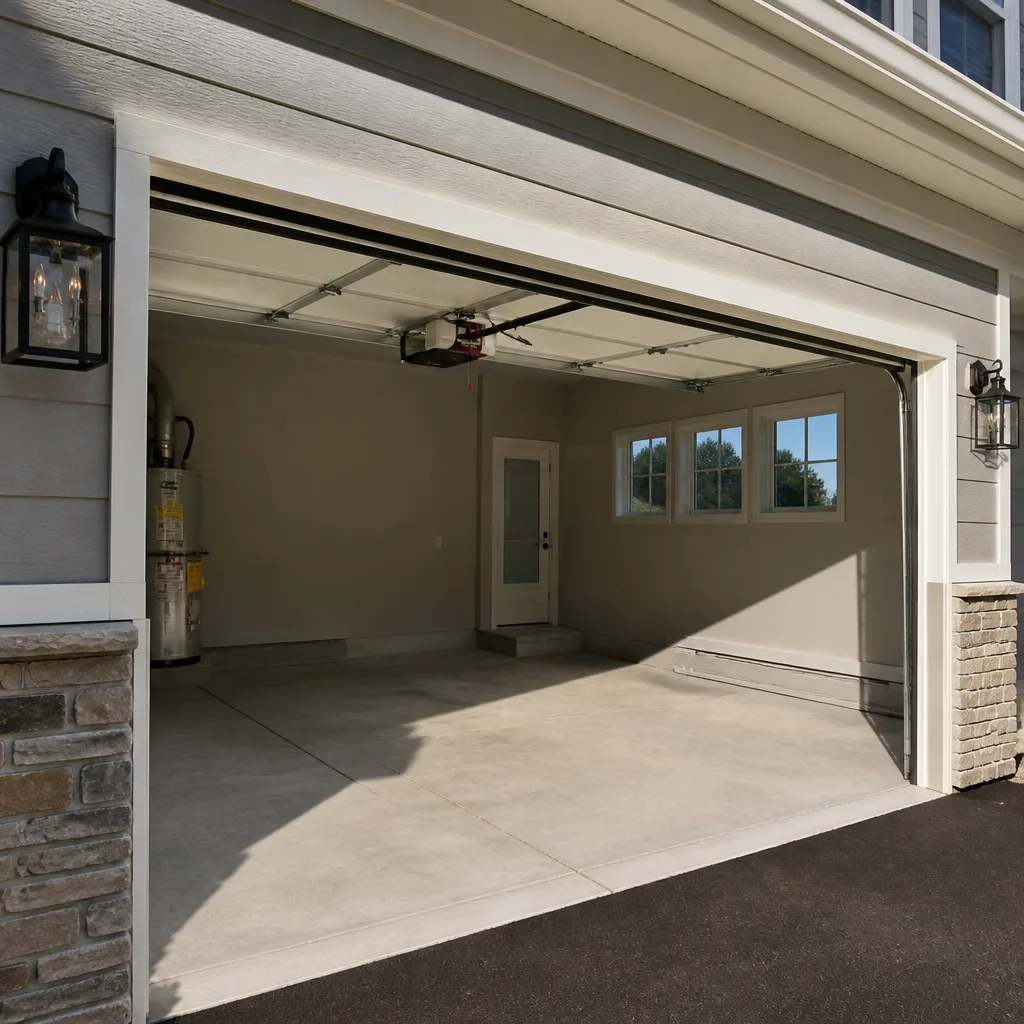 LiftMaster openers
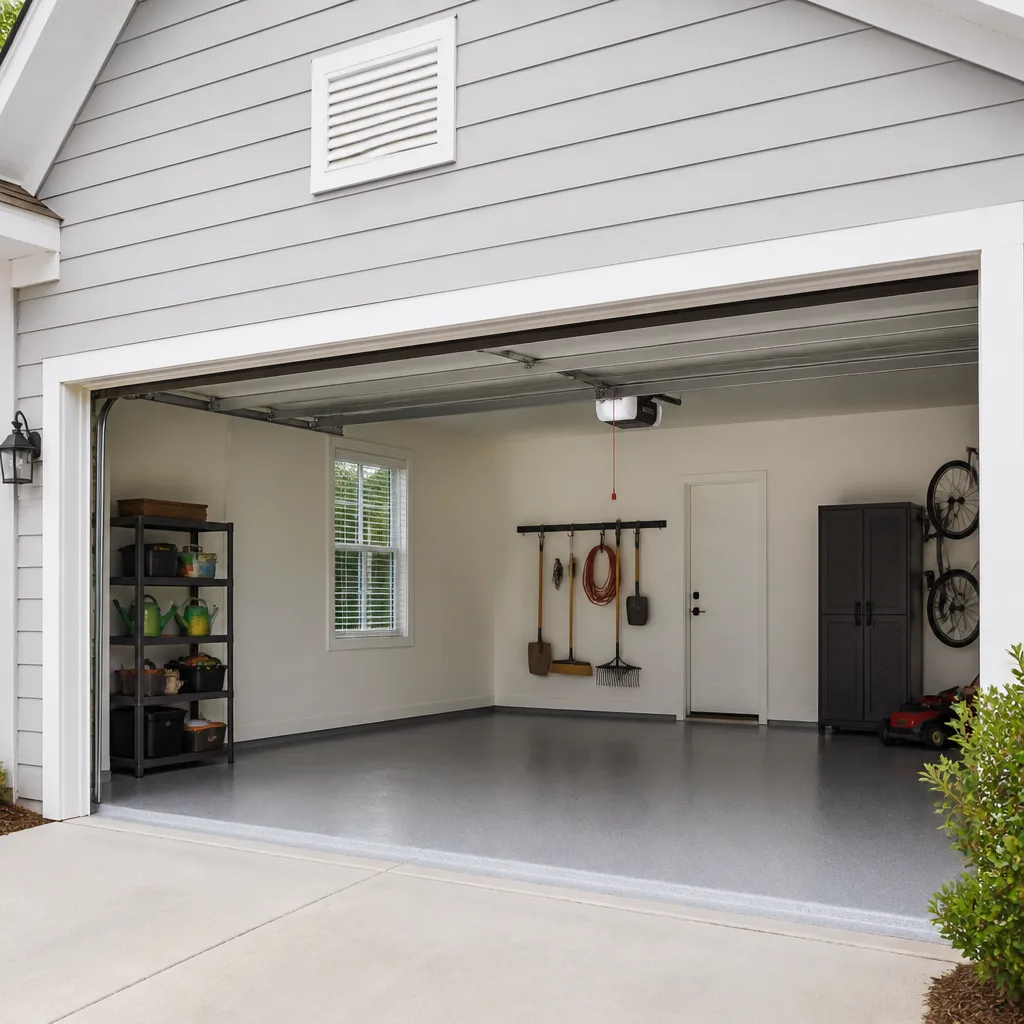 Chamberlain openers
Full 25-point door and opener safety check with every visit - springs, cables, rollers, tracks, and your LiftMaster or Chamberlain opener included
You get a price before we start. It does not change when the pro arrives.
Get your free estimateThe Complete Guide to Garage Doors in Richmond
Most Richmond homeowners don’t realize their garage door is the largest moving mechanical component in their house. It’s also the one most likely to fail, thanks to Virginia’s swing between 20°F winters and 95°F humid summers. That temperature and moisture cycle works on springs, cables, hinges and panels every single day of the year, and it’s why a door that ran quietly in October can sound like a train in July. This guide walks through how Richmond’s climate and housing stock treat garage doors, which materials hold up and which don’t, what triggers a permit in Richmond City, Henrico, and Chesterfield, when repair makes sense versus replacement, and how to judge the brand of door and opener you already own.
Quick Answer
A garage door in Richmond lasts 15 to 30 years depending on material, but springs, cables, rollers and openers wear out far sooner and are the parts that actually fail. Steel doors handle Virginia’s humidity swings best, wood needs more upkeep, and any spring, cable or opener problem is worth fixing before it takes the whole door down. The rest of this guide breaks down materials, styles, permits and costs so you can decide whether to repair or replace with real information instead of a guess.
Styles & brands we work with
- Raised-panel steel
- Carriage house
- Modern flush
- Full-view glass
- LiftMaster openers
- Chamberlain openers
Table of Contents
- How Richmond’s Climate Affects Your Garage Door
- Steel vs. Wood vs. Composite: Which Material Holds Up Here
- Garage Door Styles That Fit Richmond’s Housing Stock
- Permits and Code: Richmond City, Henrico and Chesterfield
- Repair vs. Replacement: The Honest Answer
- Brands and Service Realities in the Richmond Metro
- Safety: Springs, Cables and the 300-Pound Moving Part
- Common Mistakes to Avoid
- When to Call a Professional
- Frequently Asked Questions
How Richmond’s Climate Affects Your Garage Door
Richmond’s weather is the single biggest factor in how long a garage door lasts. The region swings from cold snaps that drop into the 20s in January to summer afternoons that push past 95°F with heavy humidity rolling off the James River. Metal expands and contracts with every one of those swings. Springs, the parts doing the heavy lifting, lose tension in the cold and work harder in the heat. That cycle is why a door that felt perfectly balanced in spring can start slamming shut by the following winter.
Humidity is the second force at work. Richmond sits in a river valley with muggy summers, and that moisture finds every unpainted edge, every scratch in a powder-coat finish, and every steel hinge pin. Over a few seasons, surface rust starts on the bottom panel first, because it’s closest to wet concrete and road spray. Wood doors absorb and release moisture seasonally, which can swell panels, bind hinges and crack paint along the joints. Composite and vinyl-faced doors shrug off that moisture better, but they have their own limits.
Here’s what the Richmond cycle typically means for a door:
- Springs wear faster than in drier climates because of the tension swings between cold and hot months.
- Steel bottom panels and hinges are the first places rust appears in summer humidity.
- Wood doors need repainting or resealing more often than in a dry climate to keep moisture out.
- Rollers and tracks collect grit and pollen through spring and summer, which grinds down bearings.
- Openers work harder in extreme heat, which is when motor failures tend to show up.
None of this means a door in Richmond is doomed. It means maintenance matters more here than the national averages suggest, and it means a technician who works in this climate knows where to look first.
Steel vs. Wood vs. Composite: Which Material Holds Up Here
Steel is the most common choice in Richmond, and for good reason. It handles the humidity swings, it’s the least expensive of the three, and modern powder-coat finishes resist rust well when they’re intact. Insulated steel panels also help with the temperature swings inside an attached garage, which matters if you use the garage as a workspace or a daily pass-through.
Wood is the classic look, and it fits well in Richmond’s older neighborhoods. But wood in this climate is high-maintenance. It absorbs moisture in the summer and dries out in the winter, and that movement opens cracks in the paint and joints where water gets in. A wood door here needs repainting or resealing every few years to stay sound, and even well-kept wood will show wear sooner than steel.
Composite and vinyl-faced doors sit in the middle. They don’t rust and they don’t take on water the way wood does, so they hold up well to river-valley humidity. The trade-off is cost and repair options: a damaged composite panel often means ordering a replacement panel rather than patching.
Here’s how the three compare for a Richmond door:
- Steel: Best all-around for this climate. Good rust resistance with a maintained finish, lower cost, widely available. Watch the bottom panel and hinges for rust.
- Wood: Best curb appeal for older colonials. Needs regular repainting or resealing and more frequent inspection of joints.
- Composite/vinyl-faced: Strong against humidity, no rust, lower upkeep. Higher upfront cost and fewer patch options.
There’s no single right answer. A homeowner in the Fan District restoring a 1920s colonial may want wood for the look and accept the upkeep. A homeowner in a newer Henrico subdivision is usually better served by insulated steel that won’t need attention for years.
Garage Door Styles That Fit Richmond’s Housing Stock
Richmond’s housing stock leans heavily on a few door styles, and matching the door to the house matters for both curb appeal and resale. Walk through the Museum District or the Fan and you’ll see colonials and craftsman homes where traditional raised-panel doors in single-car widths fit the narrow lots. Head out to Chesterfield or western Henrico and the ranches and two-story homes more often call for wider double doors and carriage-style or short-panel designs.
Style is a practical question in Richmond, not just an aesthetic one. A raised-panel door fits a colonial trim line. A carriage-house style door with decorative hardware fits a craftsman facade. A clean, short-panel door in a neutral color works on a rancher where an ornate carriage door would look out of place. Homeowners in older neighborhoods also have to account for low clearance or non-standard opening sizes, which more often calls for a custom-fit or a Wayne Dalton or Amarr model built to the opening.
Here’s a rough guide to matching door to house in Richmond:
- Colonial (Fan, Museum District, Ginter Park): Raised-panel or long-panel steel or wood in a neutral color that matches the trim.
- Craftsman (Westover Hills, parts of Henrico): Carriage-style or short-panel door with decorative straps and handles.
- Rancher (Chesterfield, eastern Henrico): Clean short-panel or flush design in a wide double-door opening.
- Newer two-story (western Henrico, Glen Allen): Insulated steel in a full-view or short-panel design that matches the facade.
The common mistake is picking a style from a catalog without considering the house’s trim line and the width of the opening. A door that looks great in a showroom can look wrong on a 1950s rancher.
Permits and Code: Richmond City, Henrico and Chesterfield
Permit rules for garage doors vary by jurisdiction, and Richmond homeowners deal with three main ones: the City of Richmond, Henrico County and Chesterfield County. In general, a straight repair like a spring, cable or opener replacement does not require a permit. A full replacement or a change to the opening, the header or the structure around the door more often triggers one.
The exact triggers are set by each locality, so the honest answer is to call the city or county building department before work starts. A new door in the same opening is usually the simplest case. A change in door height, a new opening, or structural work around the header is where permits come into play. A garage door installation that changes the framing or electrical for an opener should be checked with the building department first.
Here’s how to think about permits by jurisdiction:
- City of Richmond: Ask the city’s building department whether your replacement or structural change needs a permit before work starts.
- Henrico County: Confirm permit requirements with Henrico County before any structural change or new opening.
- Chesterfield County: Confirm with Chesterfield County; rules can differ from the city’s on structural and electrical work.
We can’t quote a permit rule from memory because it changes and it varies. The right move is a quick call to the building department for your address. When we quote a job, we tell you whether a permit is likely to be needed based on the scope, and you confirm with the locality.
Repair vs. Replacement: The Honest Answer
Most garage door problems in Richmond are repairable, and repair is almost always the right first call. A broken spring, a snapped cable, a dead opener, a door that’s off its track, worn rollers or a bent hinge are all fixable on their own without touching the panels. Replacement makes sense when the door itself is the problem: rusted-through panels, cracked or rotted wood, a door so old that parts are no longer made, or a door that’s been repeatedly repaired and keeps failing.
Here’s the decision in order:
- Identify what’s actually broken. Springs, cables and openers are components. Panels are the door. Component failures are repair work.
- Check the age and condition of the panels. If panels are sound, repair. If they’re rusted through, rotted or cracked, replacement is the honest answer.
- Weigh the repair against the door’s remaining life. A 25-year-old door with failing panels needs replacement. A 10-year-old door with a broken spring needs a spring.
- Consider safety and balance. A door that’s been repaired repeatedly and won’t stay balanced may be a candidate for replacement even if panels look fine.
We don’t push replacement when a repair will do. A homeowner with a broken spring on a Clopay panel door usually needs a spring, not a new door. An installer who tells you otherwise is selling, not fixing. If the door itself is failing, we’ll tell you why and price the replacement so you can compare.
Typical cost ranges for common work in the Richmond area run roughly $180 to $340 for a single spring replacement, more for a matched pair since they’re usually replaced together, and openers and installation priced per job by written estimate. The written estimate you get before any work starts sets the final price.
Brands and Service Realities in the Richmond Metro
Richmond homeowners own a wide spread of garage door brands, and the practical question is whether a technician can get the right parts and knows the door’s quirks. The brands we see most in this metro are Clopay, Amarr, Wayne Dalton, Craftsman, LiftMaster, Chamberlain, Genie and Raynor. We work on the brand you already own rather than insisting on a particular manufacturer.
That matters more than it sounds. LiftMaster and Chamberlain share a lot of opener components, and their smart-home and Wi-Fi units need specific setup when an opener is replaced. Genie and Craftsman openers have their own parts lines. Clopay, Amarr and Wayne Dalton door panels and hardware vary by model and era, and a technician who works across them knows which parts interchange and which need to be ordered. A generalist who only knows one brand will either turn the job down or guess. We don’t guess.
A few realities about the Richmond metro that affect service:
- Older neighborhoods have non-standard opening sizes, so Clopay, Amarr and Wayne Dalton models built to the opening are sometimes the only fit.
- Smart-home openers from LiftMaster, Chamberlain, Genie and Craftsman often need specific setup for Wi-Fi and app control.
- Parts availability varies by brand and model, so an exact match may take a short order lead time rather than being on hand.
- A full replacement door usually needs a measure, an order and a scheduled install rather than a same-visit fix.
For a full garage door installation, the process starts with a measure of the opening, a style and material decision, and a written price. For a failing garage door opener repair, the fix is often on the same visit. For standard garage door repair like a broken spring or off-track door, we aim to get you back up and running the same visit where parts allow.
Safety: Springs, Cables and the 300-Pound Moving Part
A garage door is a 300-pound moving part under constant tension, and two pieces of it are genuinely dangerous to touch: the torsion spring above the door and the high-tension cables that run alongside it. Torsion springs are wound to hundreds of pounds of force. A spring or cable that lets go while someone is working on it can cause serious injury. This is not a component to diagnose or adjust by hand.
The safe thing for a homeowner to do is look and listen, not touch. If a spring is visibly broken, the door is off its track, a cable is frayed or slack, or the door is hard to lift by hand, stop using it and call a trained technician. A door that’s been forced up with a broken spring can come down hard, and an opener that’s been fighting a bad spring can fail without warning. Our technicians work on springs and cables as a matter of routine, with the right tools and a proper safety check, because these are the parts most generalists won’t touch.
What to check without tools:
- Whether the door lifts and lowers smoothly by hand (disconnect the opener first if you’re comfortable doing so).
- Whether the springs and cables look intact, not frayed, slack or hanging.
- Whether the door stays level when partway up.
- Whether the bottom seal is intact and not cracked or missing.
Anything beyond a visual check should be a technician’s job. A spring or cable under load is not a place to save money.
Common Mistakes to Avoid
- Ignoring a broken spring. A door with a failed spring puts all the load on the opener and the cables, which wears both down fast. Fix the spring before the opener fails too.
- Choosing a door by catalog photo only. A style that looks right in a showroom can clash with the trim line of a Richmond colonial or a rancher in Chesterfield. Match the door to the house.
- Skipping the permit call. A structural change or new opening in Richmond City, Henrico or Chesterfield may need a permit. A quick call to the building department avoids a problem later.
- Repainting wood without resealing joints. In this humidity, paint over a failing seal traps moisture and speeds up rot. Prep matters more than the top coat.
- Letting rust spread on a steel bottom panel. The bottom panel sees the most moisture. Treat surface rust early or it reaches the panel’s core.
- Calling a generalist for a spring or opener job. These need brand-specific parts and experience with springs under load. A generalist may defer or guess.
- Replacing the whole door when one part failed. A broken spring or dead opener doesn’t mean the door is done. Diagnose the component first.
When to Call a Professional
Call a professional if a spring is broken, a cable is frayed or slack, the door is off its track, the opener runs but the door doesn’t move, the door reverses or stops partway, or you hear grinding or popping from the torsion bar. Don’t force a door that’s stuck; lift it by hand only if it moves freely and carefully. If the door itself is failing (rust through, rot, cracks) or you’re planning a replacement, get a measure and a written price before you commit. We answer the phone, we quote the price before work starts, and we don’t sell a replacement when a repair is the honest answer. Richmond Garage Door Repair Pros offers free estimates in Richmond; call (866) 353-3562.
For a full replacement, the process is a measure, a style and material decision, and a scheduled install rather than a same-day fix. For an urgent failure, we offer emergency garage door service because a door that won’t close is a security and access problem, not just an inconvenience. We answer 24/7. Fast dispatch from 7am to 7pm, Sunday through Friday, and a call outside dispatch hours is booked into the next opening.
Frequently Asked Questions
Most common repairs in the Richmond area fall in the low hundreds of dollars, with a single spring replacement typical around $180 to $340; a matched pair runs about double since both are usually replaced together. Openers and panels are priced per job. The written estimate you get before work starts sets the final price. Call (866) 353-3562 for an exact quote; estimates are free.
Yes. A door that won’t close is a security and access problem, and we offer emergency garage door service for time-sensitive failures. We answer 24/7 and dispatch fast from 7am to 7pm, Sunday through Friday, with same-day service where parts allow. Call (866) 353-3562.
No. We quote the price before any work starts, and the written estimate sets the final price. If we open the door and find a second problem, we tell you and price it before touching it. Call (866) 353-3562 for a free estimate.
It depends on the scope. A straight replacement in the same opening often doesn’t require a permit, but a change to the opening, the header or the structure may. Confirm with the Henrico County or Chesterfield County building department before work starts; we’ll tell you when a permit is likely based on the scope. Call (866) 353-3562 for a measure and a quote.
We work on the brand you already own, including Clopay, Amarr, Wayne Dalton, Craftsman, LiftMaster, Chamberlain, Genie and Raynor. Our technicians have up to 14 years of experience with brand-specific parts and procedures. Call (866) 353-3562 to confirm your model.
The local technician who comes to your door is licensed and insured as Virginia requires. Our technicians are experienced with springs, cables, openers and full installs across all the major brands. Call (866) 353-3562 to book a free estimate.
The Bottom Line
Richmond’s climate, from humid summers to cold snaps, works on a garage door every day, and it’s why maintenance and material choice matter more here than national guides suggest. Steel holds up best for most homes, wood needs regular upkeep, and composite is a strong middle path. Match the style to the housing stock, confirm permit rules with Richmond City, Henrico or Chesterfield, and diagnose the actual failed component before deciding on replacement. Springs and cables are dangerous, so leave them to a trained technician. If a part fails, get a written estimate and repair before it takes the whole door down.
Richmond Garage Door Repair Pros handles the full spectrum, from a broken spring on a Clopay panel to a full Wayne Dalton install, with brand familiarity from LiftMaster to Raynor. Garage doors only. No plumbing, no HVAC, just doors. Our technicians have up to 14 years of experience, and we quote the price before any work starts. Call (866) 353-3562 for a free estimate. We answer 24/7, with fast dispatch from 7am to 7pm, Sunday through Friday. You can also start with Richmond Garage Door Repair Pros for an overview, or ask about spring repair on a door you already own.
Written by the team at Richmond Garage Door Repair Pros.
See the difference
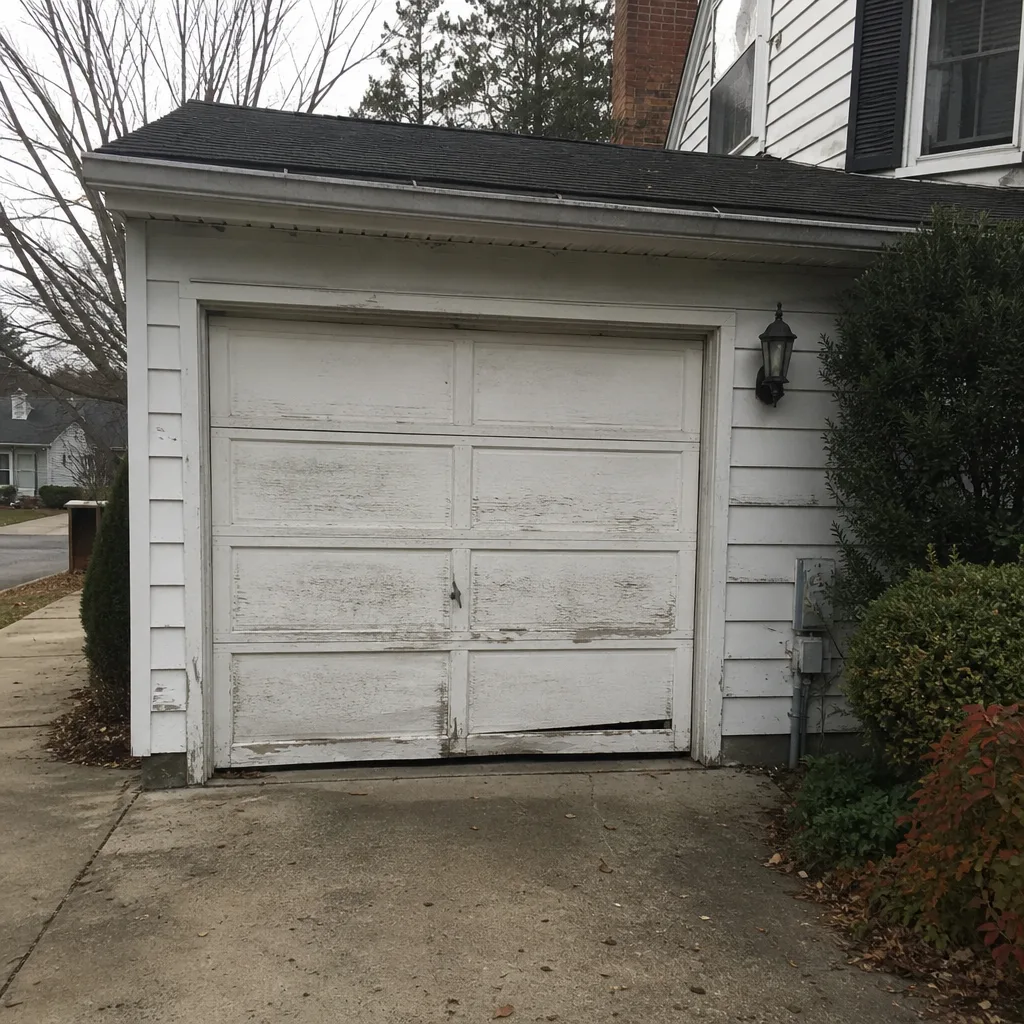 Before
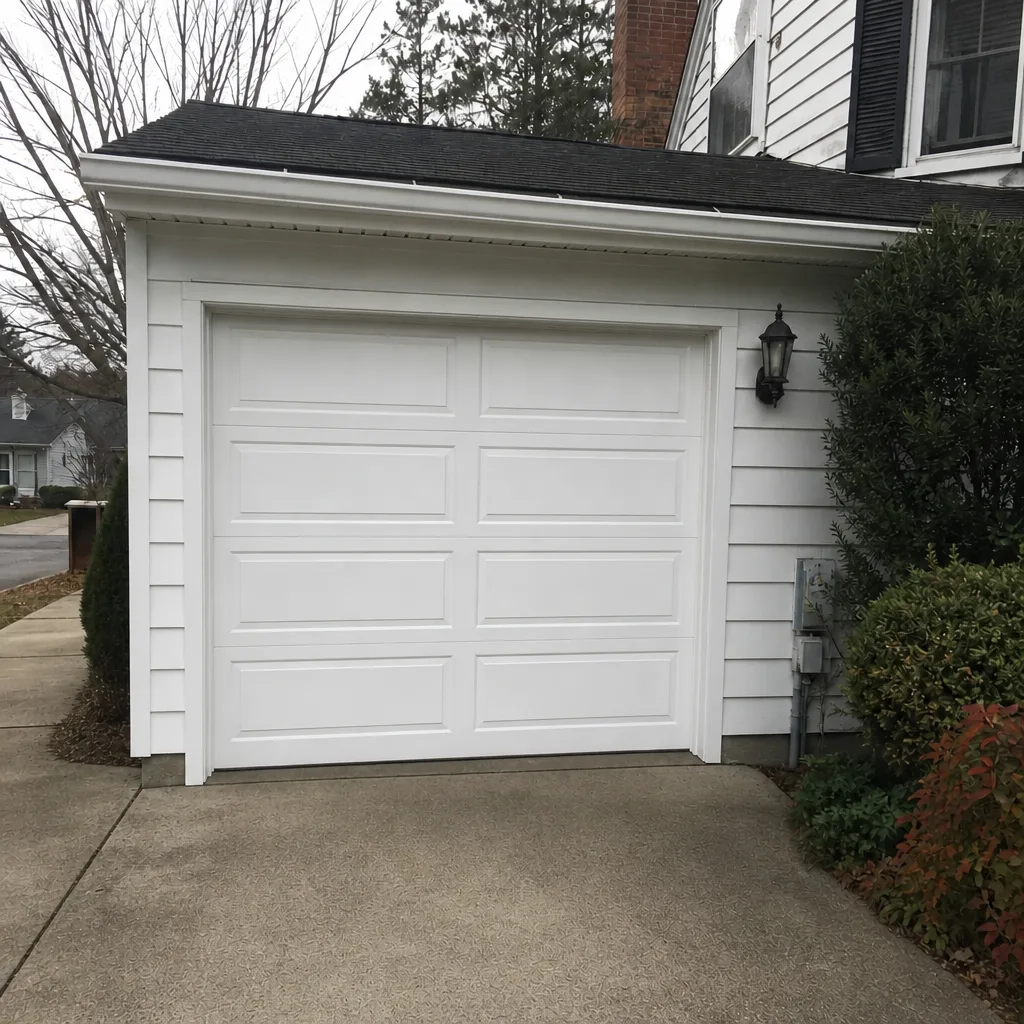 After
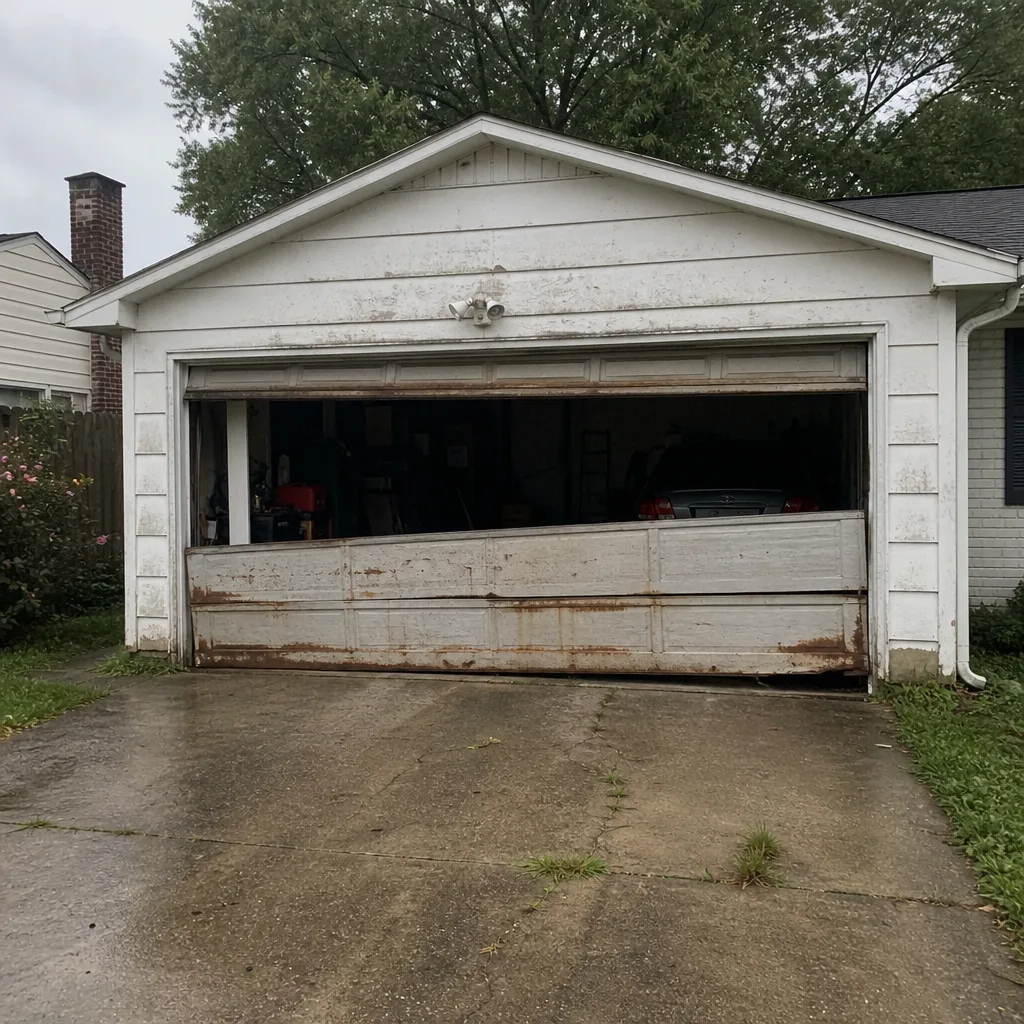 Before
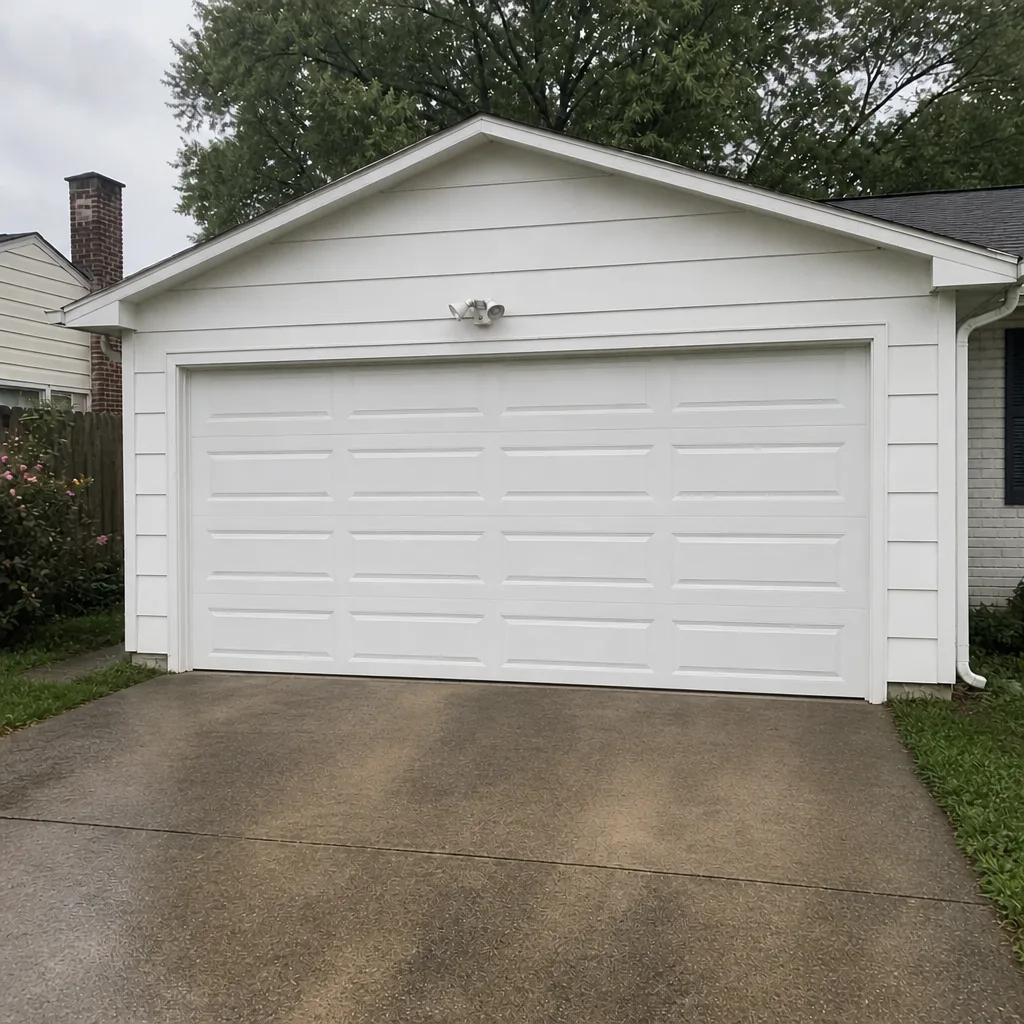 After
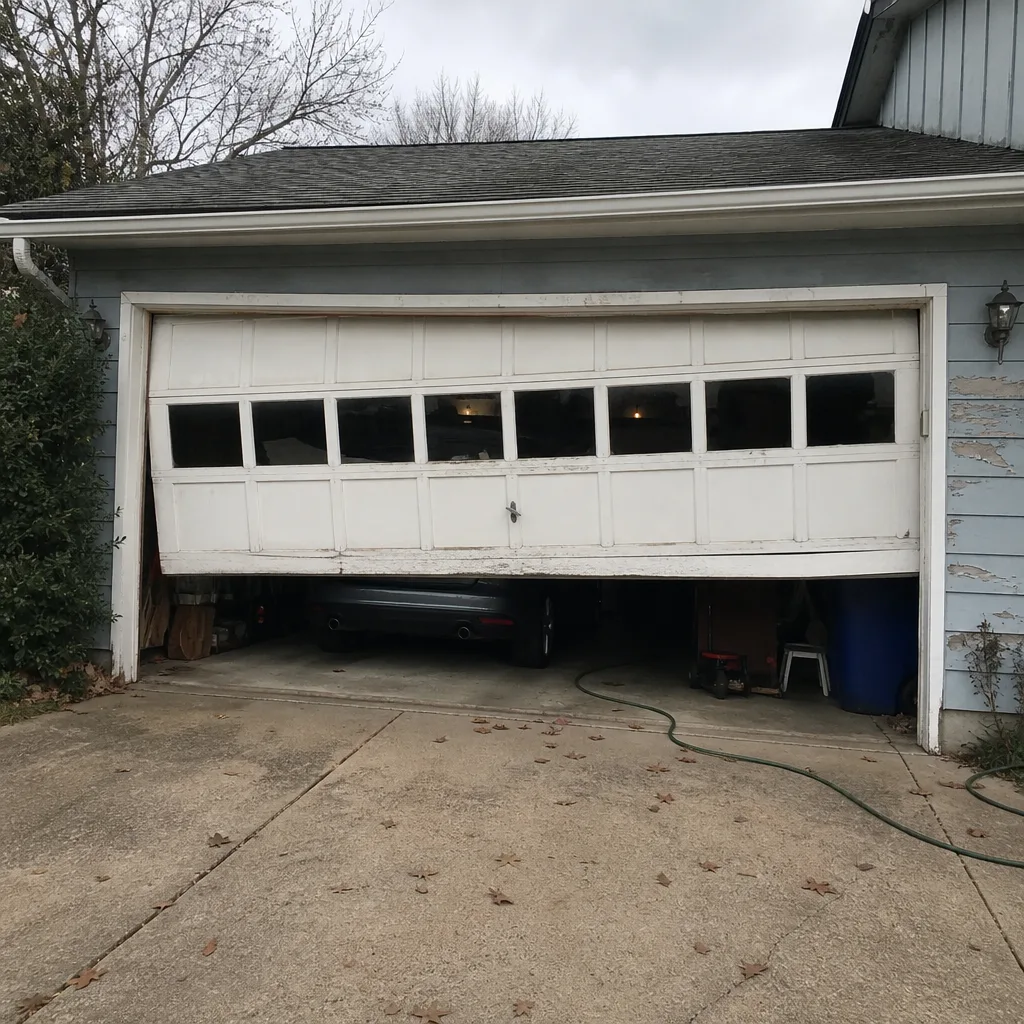 Before
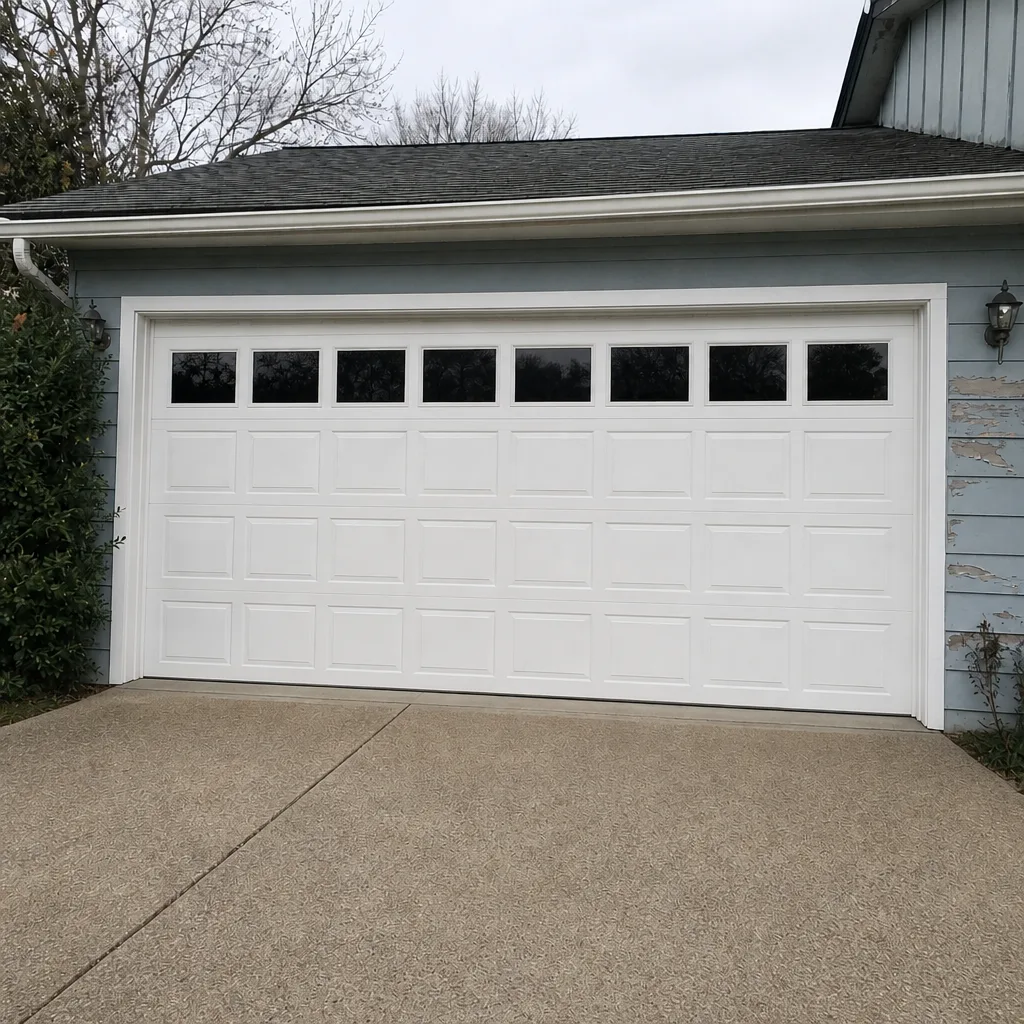 After