
Last updated November 21, 2026
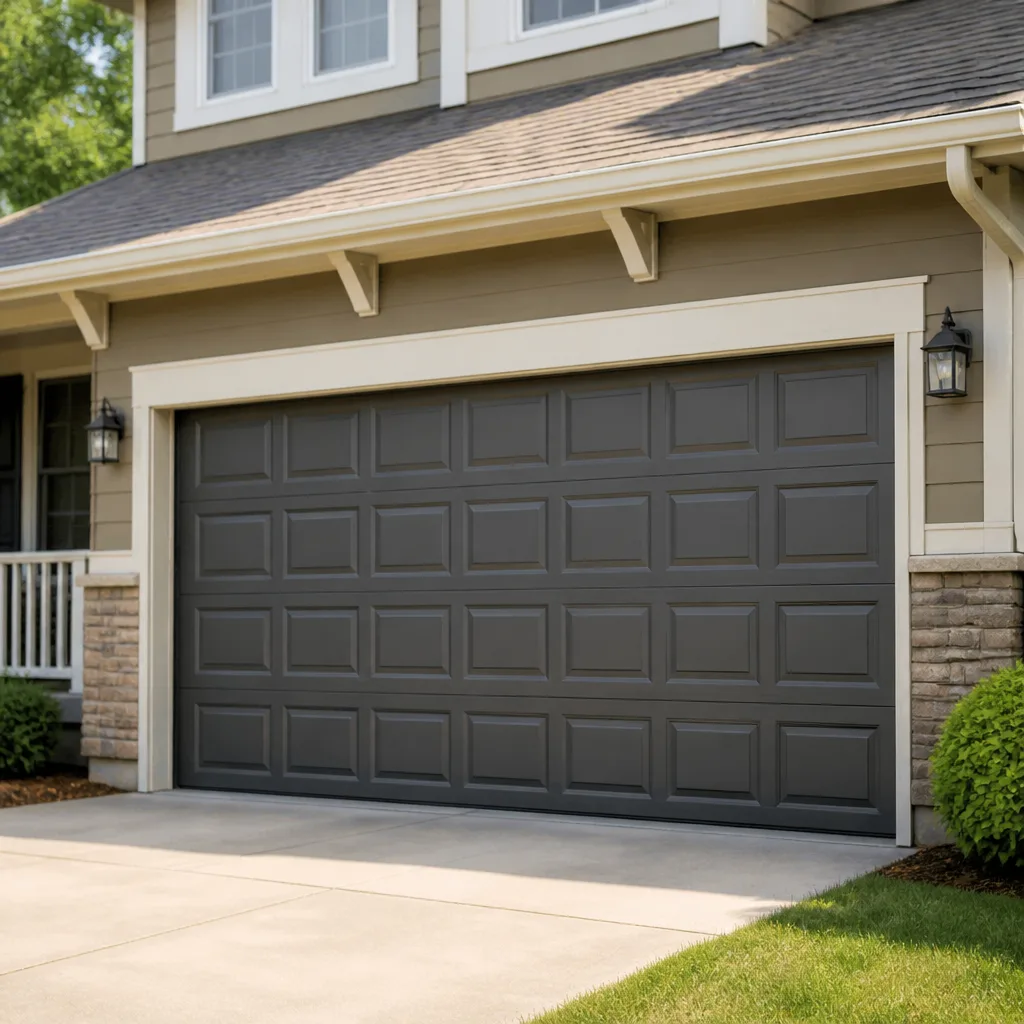 Raised-panel steel
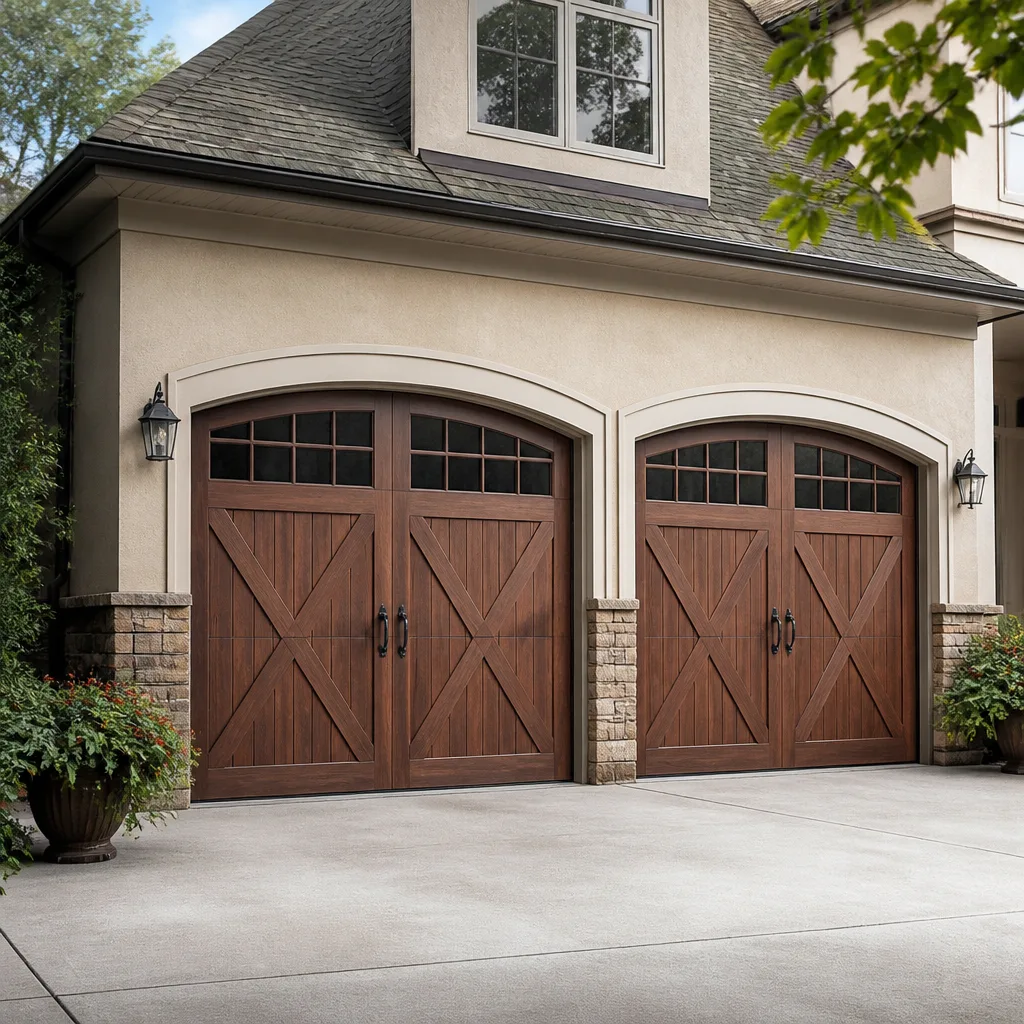 Carriage house
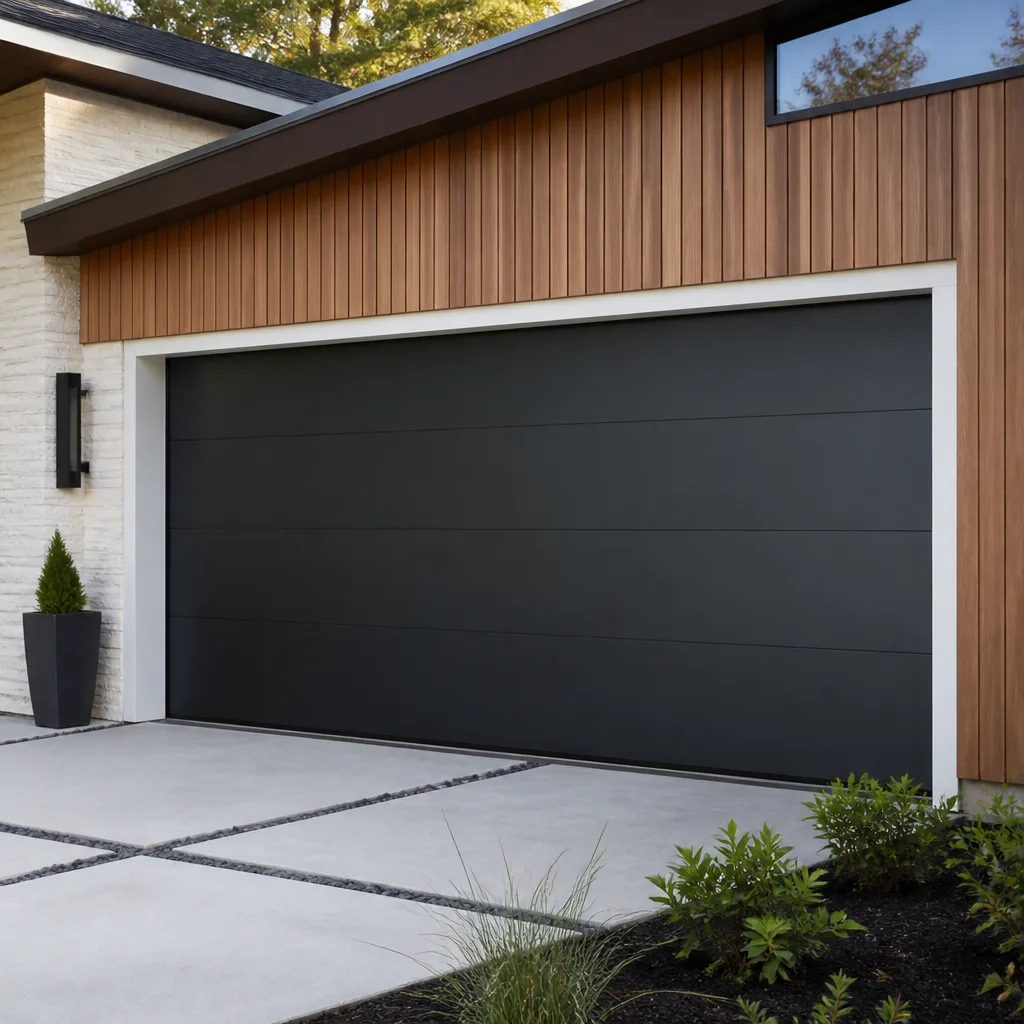 Modern flush
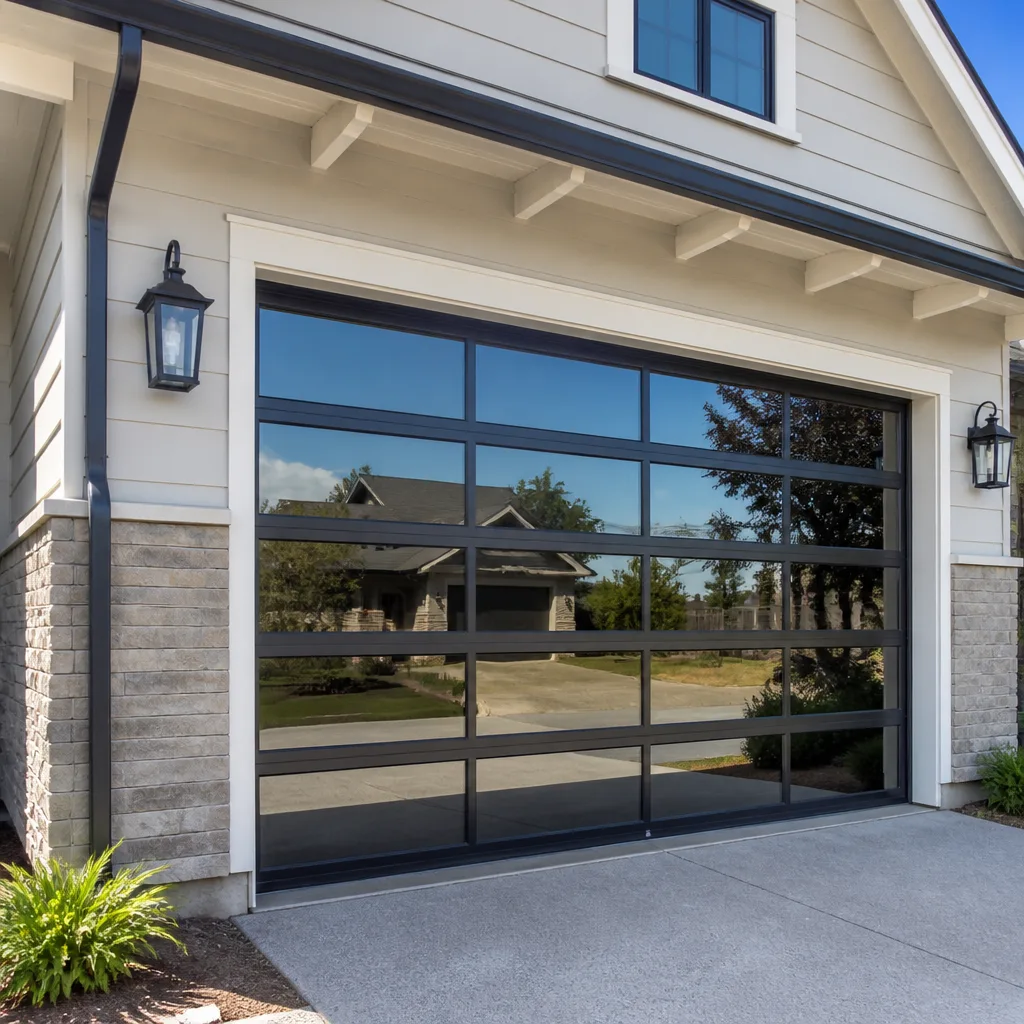 Full-view glass
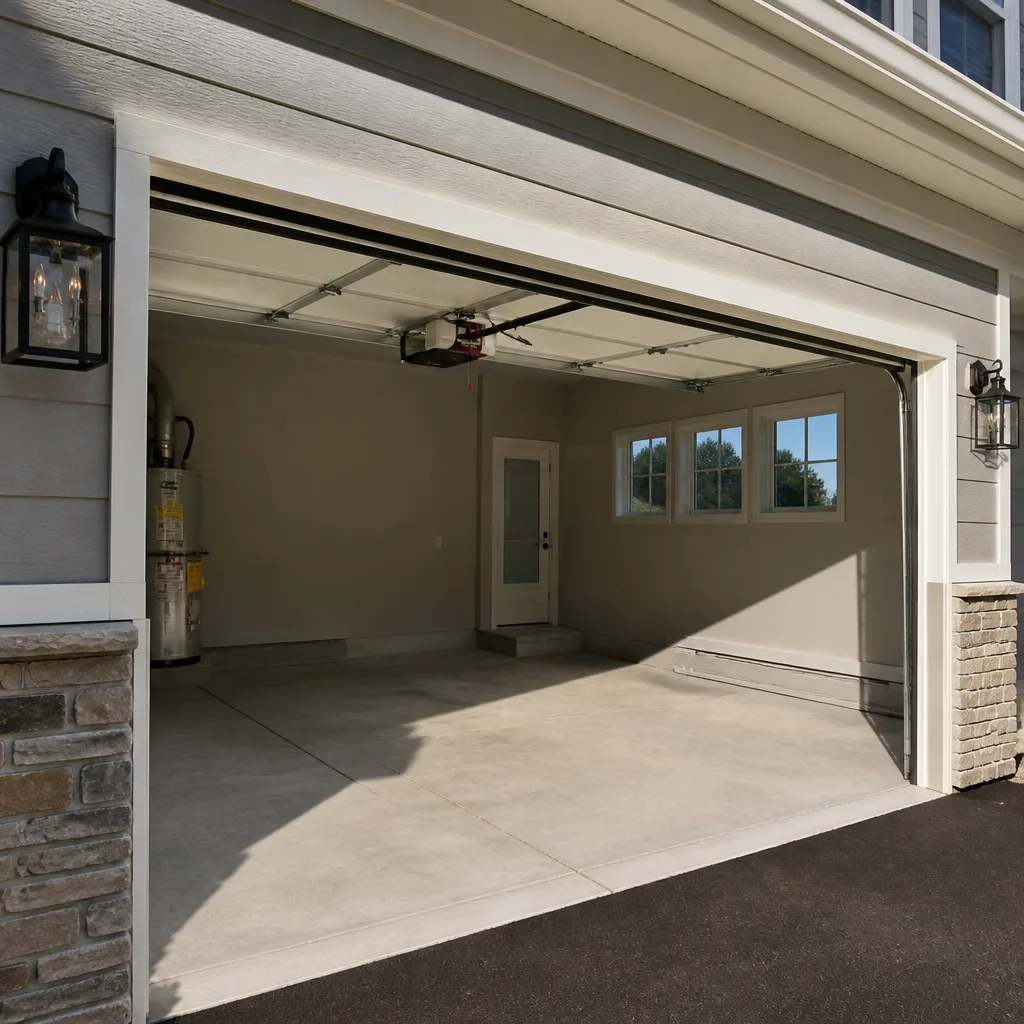 LiftMaster openers
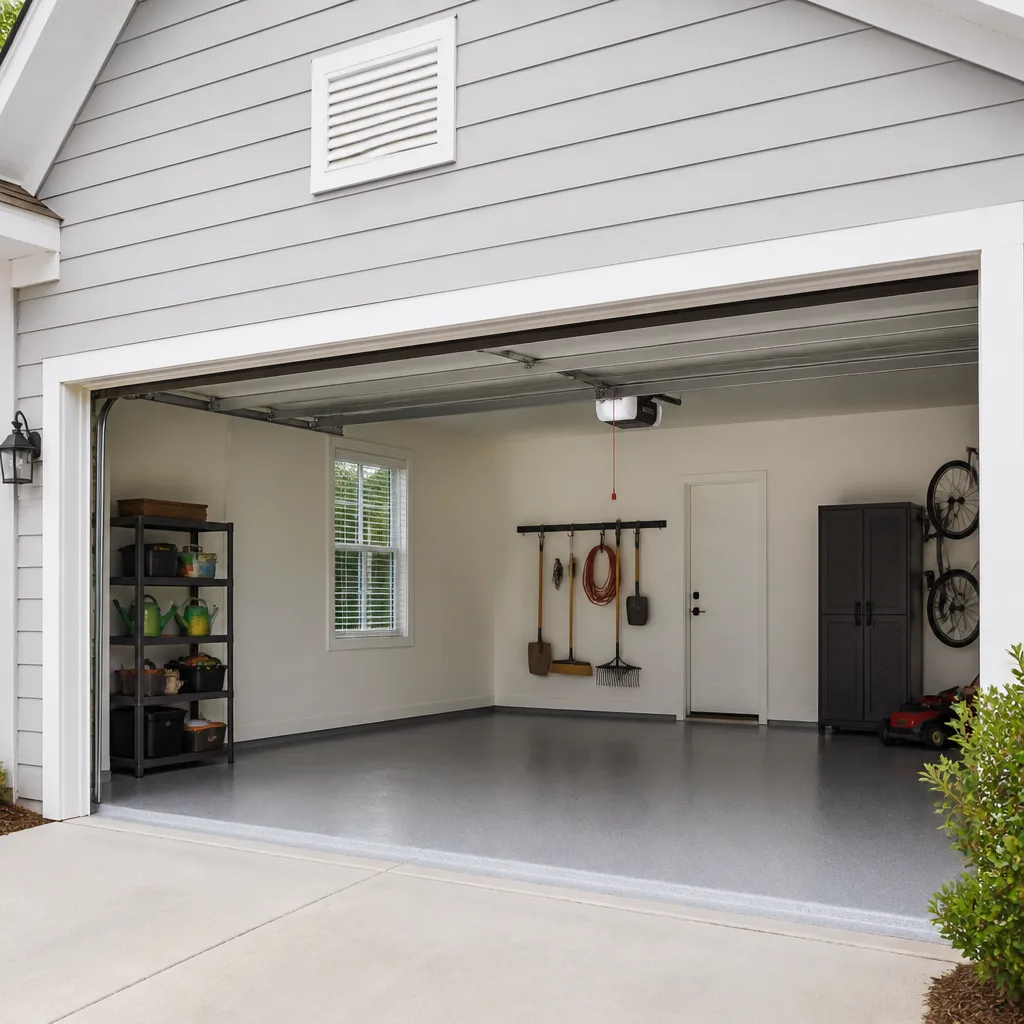 Chamberlain openers
Full 25-point door and opener safety check with every visit - springs, cables, rollers, tracks, and your LiftMaster or Chamberlain opener included
You get a price before we start. It does not change when the pro arrives.
Get your free estimateGarage Door Emergency Preparedness Guide for Richmond Homes
Most Richmond homeowners have a hurricane kit, a plan for the freezer, and a good idea of where the flashlights are. Almost none of them know how to get their garage door open when the power dies. That’s the gap this guide closes. A garage door is the largest moving part on your house, and in Richmond’s storm season it’s also the part most likely to strand you, expose your home, or fail when you need it to work. Below you’ll find the manual release procedure for the openers common in Richmond homes, a pre-storm checklist built around the weather this city actually gets, and triage steps for a door that’s stuck after a storm.
Quick Answer
A garage door emergency plan has three parts: know how to disengage your opener by hand, keep the door balanced and the springs sound before storm season, and know the difference between a door you can safely cycle and one you should leave shut until a technician sees it. In Richmond, that means planning for power outages from hurricanes and derechos, cold snaps that stress springs, and the wind-driven rain that comes with summer storms. Practice the manual release once now, while nothing is wrong, so it isn’t the first time you try it in the dark.
Styles & brands we work with
- Raised-panel steel
- Carriage house
- Modern flush
- Full-view glass
- LiftMaster openers
- Chamberlain openers
Table of Contents
- How do you open a garage door manually when the power is out?
- Which openers are most common in Richmond homes, and how does each release?
- What should be on a Richmond garage door pre-storm checklist?
- How do you check a garage door for storm damage before operating it?
- What do you do if your door is stuck open or stuck closed?
- How do you prepare a garage door system for an extended power outage?
- Why do springs fail around storms, and when is it an emergency?
- What does post-storm recovery look like for a garage door?
How do you open a garage door manually when the power is out?
You pull the red release cord hanging from the opener trolley, then lift the door by hand. That’s the whole procedure on a sound door, and it takes about ten seconds. The catch is that the door has to be balanced and the springs have to be intact before you release it, because once the opener is disengaged, nothing is holding the door up but the springs and your arms.
Here’s the sequence, and it’s worth walking through it once in daylight before you ever need it:
- Make sure no one is standing under or beside the door. A disengaged door is a free-moving 300-pound panel stack.
- Pull the red emergency release cord straight down and toward the door. You should feel the trolley disengage from the carriage with a light click.
- Lift the door slowly by the bottom section, using the handle if there is one. A properly balanced door should lift with one hand and stay put at about waist height when you let go.
- If the door feels heavy, drops, or slams down, stop. That means a spring is broken or the door is out of balance. Do not force it. Prop it if it’s open and wait for a technician.
- To re-engage, close the door fully, then pull the release cord toward the opener track until the trolley clicks back into the carriage, and run the opener once to confirm.
What goes wrong most often is sequence: people pull the cord while the door is halfway up, or they pull it on a door with a snapped spring and it comes down hard. Neither has to happen if you check balance first. If your door won’t lift easily with the opener disengaged, the problem is mechanical, not electrical, and it needs a trained eye. For that kind of failure, our garage door repair service handles the diagnosis and the fix on the same visit.
Which openers are most common in Richmond homes, and how does each release?
LiftMaster, Chamberlain, Genie, and Craftsman units make up most of the openers in Richmond garages, and all four use the same basic trolley-and-release-cord design. The differences are small but worth knowing. LiftMaster and Chamberlain are closely related mechanically, so the release feels the same on both. Genie units sometimes use a slightly different carriage, and older Craftsman models can have a stiffer release that takes a firmer pull. None of them require tools.
A few things vary by unit and by how the door was installed:
- Cord height. The release cord should hang about six feet off the floor, long enough to reach but short enough that a child or a roof rack doesn’t catch it. If yours is cut short, extend it.
- Wall-mounted vs. chain-drive. Jackshaft openers mounted beside the door have a release lever rather than a hanging cord; find it now and note where it is.
- Smart openers. Wi-Fi units from Chamberlain, LiftMaster, Genie, and Craftsman still disengage the same way, but the app will often show a fault code before the door ever moves. Check the app during an outage if your unit has battery backup.
Doors themselves matter too. If your home has a Clopay or Amarr steel door, the panels are relatively light and balance well. Heavier wood-look doors and older Wayne Dalton models can be stiff when a spring is tired, which makes the manual release feel harder than it should. If your door has always been a two-handed lift, that’s a balance problem to fix, not a quirk to live with. Our garage door opener repair scope covers release mechanisms and carriage faults on all the major brands, so a sticky release is a quick diagnosis rather than a mystery.
What should be on a Richmond garage door pre-storm checklist?
Richmond’s storm profile is a mix: hurricane remnants and tropical systems in late summer and fall, derechos and severe thunderstorm lines in summer, and ice storms in winter. Each one stresses the door differently. Wind pushes on the panels, ice adds load to the springs, and outages take the opener out of the equation entirely. A checklist that covers all three looks like this:
- Test the manual release and confirm the door lifts and holds. Do this every spring and fall.
- Look at the springs. A torsion spring with a visible gap, or an extension spring with a stretched or hanging coil, is a failure waiting for the next cycle. Address it before the storm, not after.
- Check the balance. Disengage the opener, lift the door halfway, and let go. It should hold. If it drifts down, the springs are losing tension.
- Inspect the panels and hinges for loose fasteners and dents. Wind finds weak points.
- Clear the tracks of debris and check that the door runs without grinding or binding.
- Charge backup batteries on any opener that has one, and note whether yours does.
- Move anything valuable off the floor in the garage, in case wind-driven rain gets under the door.
Ice storms deserve their own note. Freezing rain can glaze the door’s bottom seal and the track, and running the opener against a frozen seal puts load on the springs and the motor at the same time. If your door is iced shut, free the seal by hand before you touch the button. And once a storm is forecast, running the door a few times to confirm it’s healthy is a much better use of an hour than discovering the problem during the outage. If anything on the checklist turns up a fault, our Richmond Garage Door Repair Pros team can take a look before the weather turns.
How do you check a garage door for storm damage before operating it?
Don’t touch the button until you’ve looked at the door with your eyes and hands. Wind damage rarely announces itself. A door that looks fine from the driveway can have a bent track, a popped hinge, or a panel that’s been pushed out of its stile, and running the opener on a misaligned door turns a repair into a replacement.
Walk the door before you cycle it:
- Stand outside and look at the panel lines. They should be straight and parallel. A bowed or creased panel means the door took a hit.
- Look down each vertical track. It should be plumb and unbent. A track that’s been pushed in will bind the rollers.
- Check the hinges and rollers at each panel joint. Loose or missing fasteners are a sign the door moved.
- Grab the bottom section and gently rock it. Excessive play means the door is out of square.
- Look up at the springs and cables. A slack cable or a spring with a gap means the door is not safe to cycle, period.
If the door passes those checks, run it once by hand with the opener disengaged. If it lifts smoothly and holds, you can re-engage and test the opener. If anything binds, stops, or feels heavy, leave it closed and call. A bent track on a Raynor or Amarr door is often a straightforward fix, but only if you catch it before the opener forces the door through the bind. Cables and springs are the dangerous parts – they’re under high tension and can cause serious injury if handled without the right tools. That’s a job for a trained technician, not a homeowner with a pair of gloves.
What do you do if your door is stuck open or stuck closed?
Stuck open is the security emergency. Stuck closed is the access emergency. Both have a short triage list you can work through before anyone arrives, and both get resolved faster if you can tell the technician what you’ve already checked.
If the door is stuck open:
- Disengage the opener and lower the door by hand if it’s safe to do so. If it won’t come down, don’t force it.
- If you can’t close it, secure the opening. Park a vehicle in front of it if you can, and move anything of value out of the garage.
- Check whether the door is off its track or a roller has popped out. If so, leave it alone; forcing it back can bend the panel.
If the door is stuck closed:
- Try the wall button and the remote separately, and check the breaker that feeds the opener.
- Look at the photo-eye sensors at the bottom of the tracks. A misaligned or blocked sensor is the most common cause of a door that won’t close, and it’s an easy fix.
- Disengage the opener and try lifting the door by hand. If it lifts easily, the problem is the opener. If it doesn’t, the problem is mechanical.
A door that’s stuck closed with a car inside is a real problem if you need to leave. We treat those as urgent, because a garage door that won’t open is an access failure as much as a mechanical one. When you call, tell us what the door is doing and what you’ve tried, and we can usually narrow it down before we arrive.
How do you prepare a garage door system for an extended power outage?
The single biggest upgrade for outage readiness is a battery backup on the opener. LiftMaster and Chamberlain both make backup units that keep the door cycling for a period after the power drops, and they’re the difference between a functioning garage and a dead one during a multi-day outage. If your opener doesn’t have one, it’s worth asking about when you next have the unit serviced.
Beyond hardware, preparation is mostly practice:
- Practice the manual release once a season. Muscle memory is the whole point. The first time shouldn’t be in the dark during a storm.
- Keep a flashlight hanging near the release cord and a second one in the car.
- Know your opener’s behavior on backup power. Most units cycle slower and may limit the number of cycles. Don’t be alarmed if the door moves slowly.
- Test the battery backup before storm season by tripping the breaker that feeds the opener and running the door once.
- Keep the door closed during an outage unless you need to move a vehicle. An open door is an open invitation.
One more thing: a garage door opener with a dying backup battery can behave oddly, cycling partway and stopping, or reversing for no clear reason. If that happens, check the battery before assuming the opener is failing. Our garage door installation service includes opener replacement if your current unit is past the point where backup is worth adding, and we’ll walk you through the options for your door’s weight and your home’s wiring.
Why do springs fail around storms, and when is it an emergency?
Springs fail from cycles and from load, and storms deliver both. Every open and close is a cycle, and a torsion or extension spring has a finite life. Add the extra weight of ice on the door, or the sudden load of a door being forced against a frozen seal, and a spring that was near the end of its life lets go. In Richmond, we see a cluster of spring failures after cold snaps and after any storm that leaves the door sitting loaded or half-open.
Spring repair is the highest-risk job on a garage door, and it’s the one most worth calling in. The springs are under enough tension to cause serious injury, and the winding bars and technique involved aren’t a homeowner project. If you hear a loud bang from the garage and the door won’t lift, that’s a broken spring, and the door should stay down until it’s repaired.
When is it an emergency? When the door is stuck open and unsecured, when a vehicle is trapped inside, or when the door is the only way in and out of the house. Otherwise, a broken spring is urgent but not an emergency, and it gets scheduled and fixed properly. We handle torsion and extension spring work on all the major brands, and it’s a repair we do often enough that the diagnosis is quick.
What does post-storm recovery look like for a garage door?
After the storm passes, the door gets the same treatment as the roof and the gutters: a look before you use it. The post-storm sequence is short, and doing it in order keeps a small problem from becoming a big one.
- Inspect from the outside first for bent panels, shifted tracks, and debris against the door.
- Clear the tracks and the bottom seal of leaves, branches, and grit before cycling anything.
- Test the manual release and lift the door by hand. If it’s heavy or won’t hold, stop.
- Re-engage and run the opener once. Watch and listen for grinding, binding, or a door that reverses on its own.
- Check the sensors and reset the opener if it’s showing a fault.
If the door passes, you’re back to normal. If anything feels off, that’s the moment to call rather than the moment to “see if it works itself out.” A door that’s been stressed by wind or ice often fails a few cycles later, and catching it early is cheaper than catching it after a panel has been bent by a binding track. If you’re in the middle of a repair and thinking about a replacement, our garage door repair team can tell you honestly which way makes sense for your door.
Common Mistakes to Avoid
- Pulling the release cord on a door with a broken spring. The door will come down hard. Check balance first, every time.
- Forcing a stuck door with the opener. Running the motor against a bind bends tracks and panels. Stop and diagnose.
- Ignoring the balance test. A door that drifts down when you let go is telling you the springs are tired. It’s the cheapest warning you’ll get.
- Leaving the door open during an outage. An open garage during a storm is a security problem and a water problem. Close it if you can.
- Assuming the opener is the problem when it’s the door. Most “dead opener” calls turn out to be a mechanical fault, a sensor, or a spring. Test the door by hand before you buy a new opener.
- Skipping the pre-storm check because the door “seems fine.” The door usually is fine, until the one time it isn’t. Ten minutes in spring and fall covers it.
- Trying to fix a spring or cable yourself. Those parts are under high tension and can cause serious injury. This is the one job that always belongs with a trained technician.
See the difference
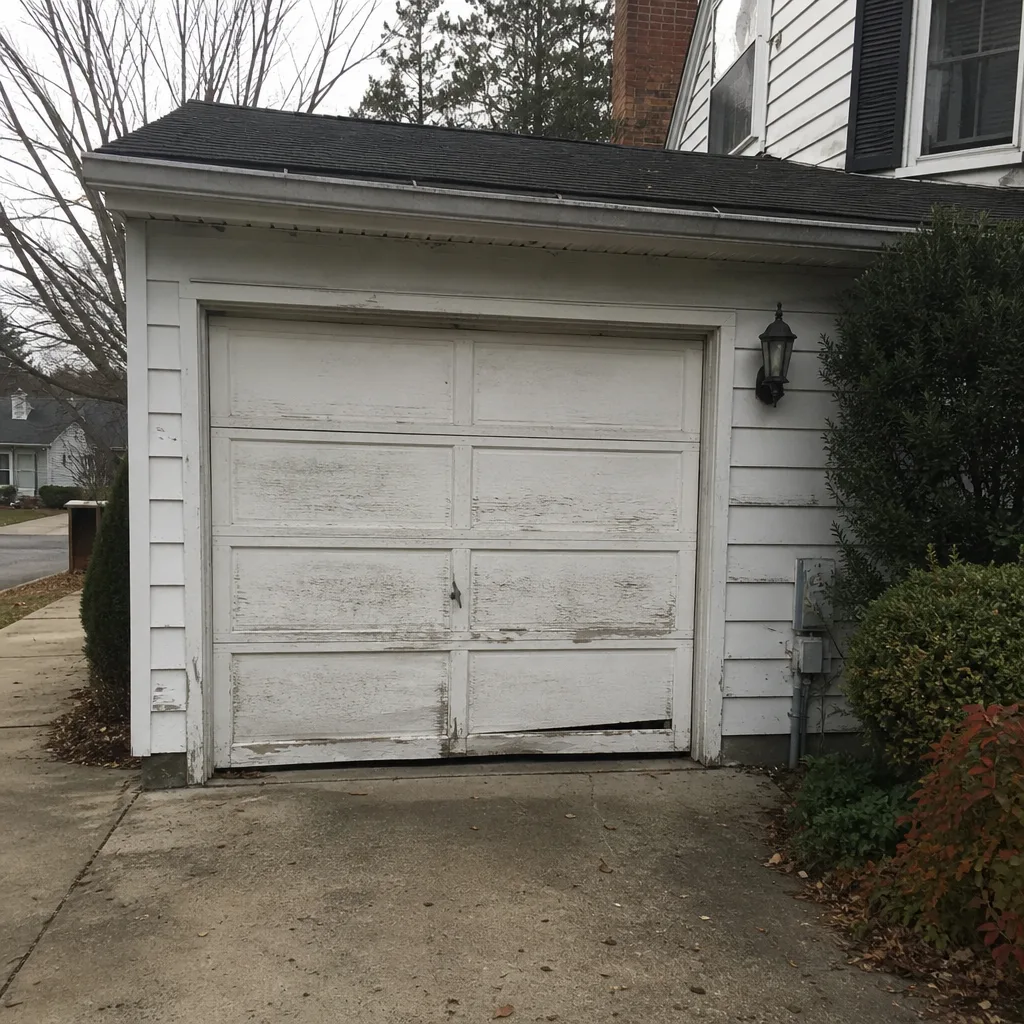 Before
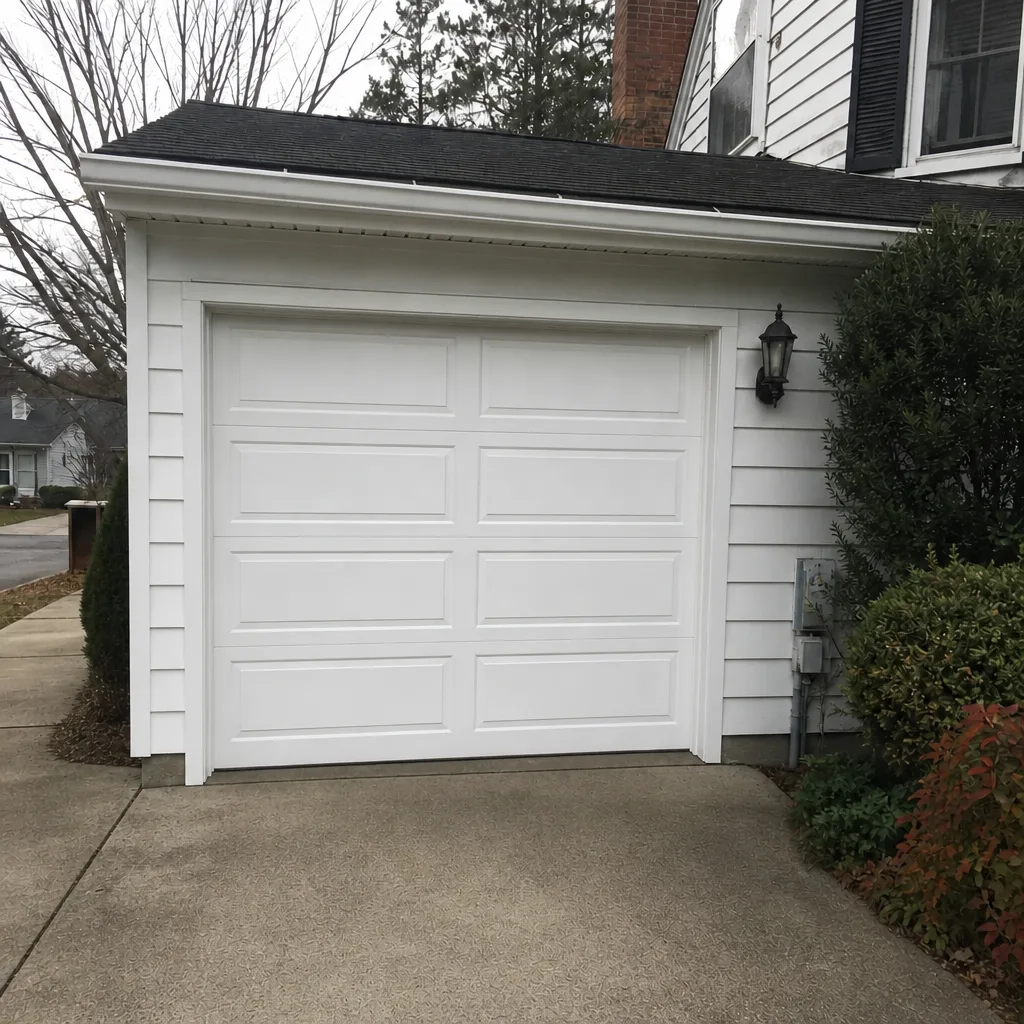 After
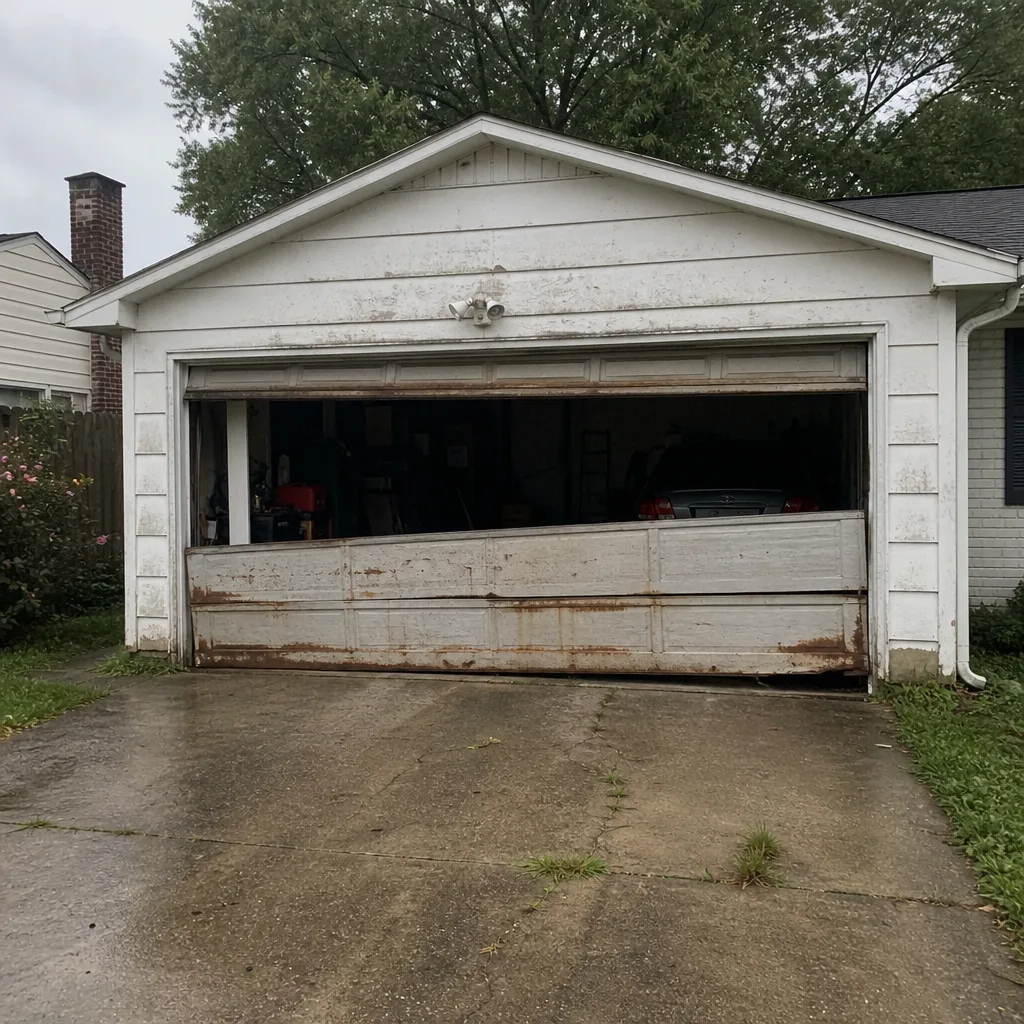 Before
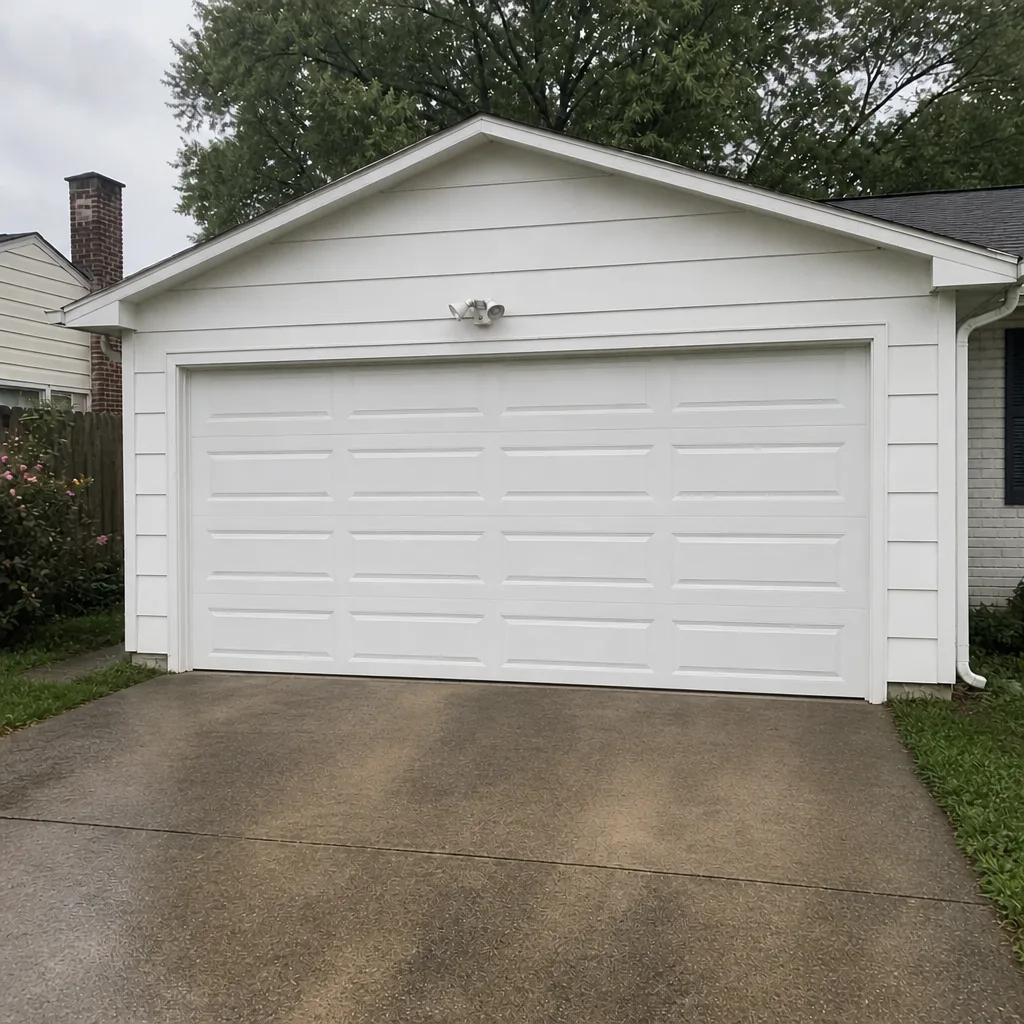 After
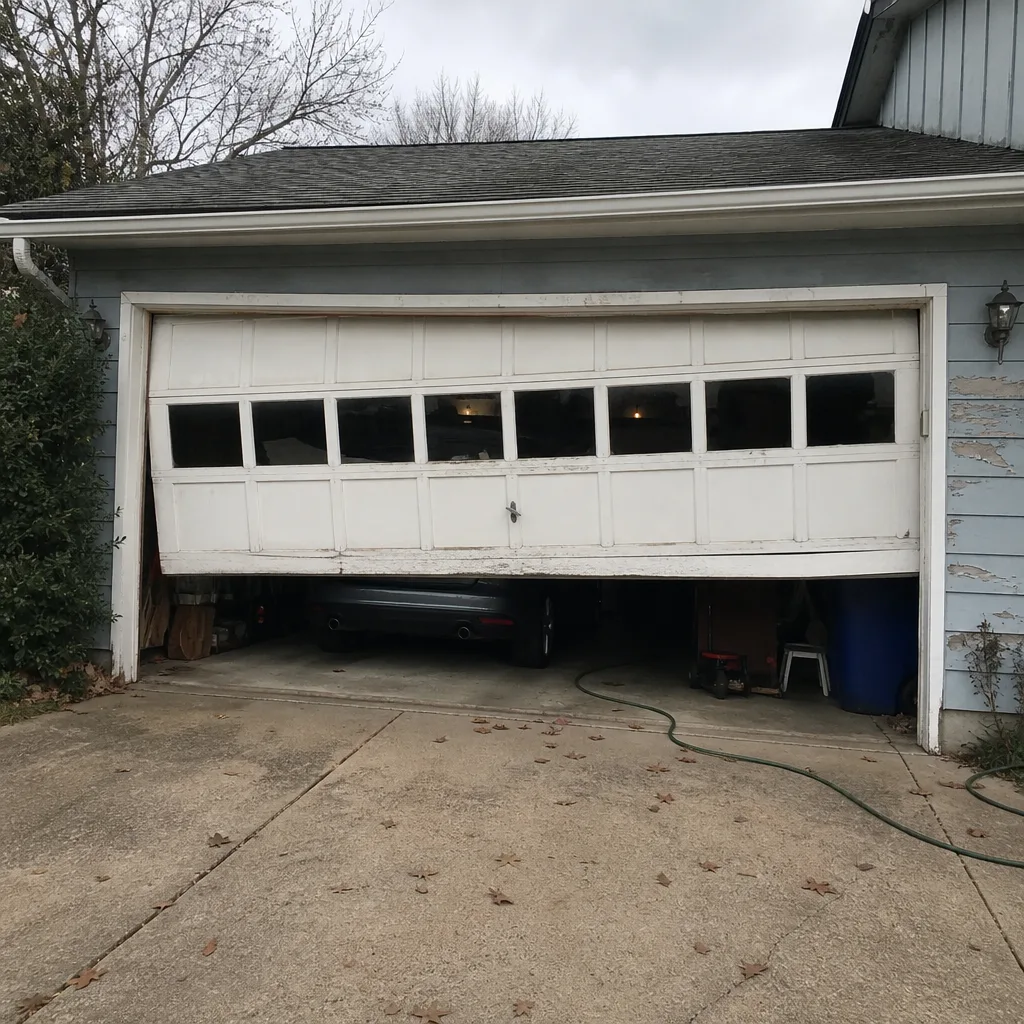 Before
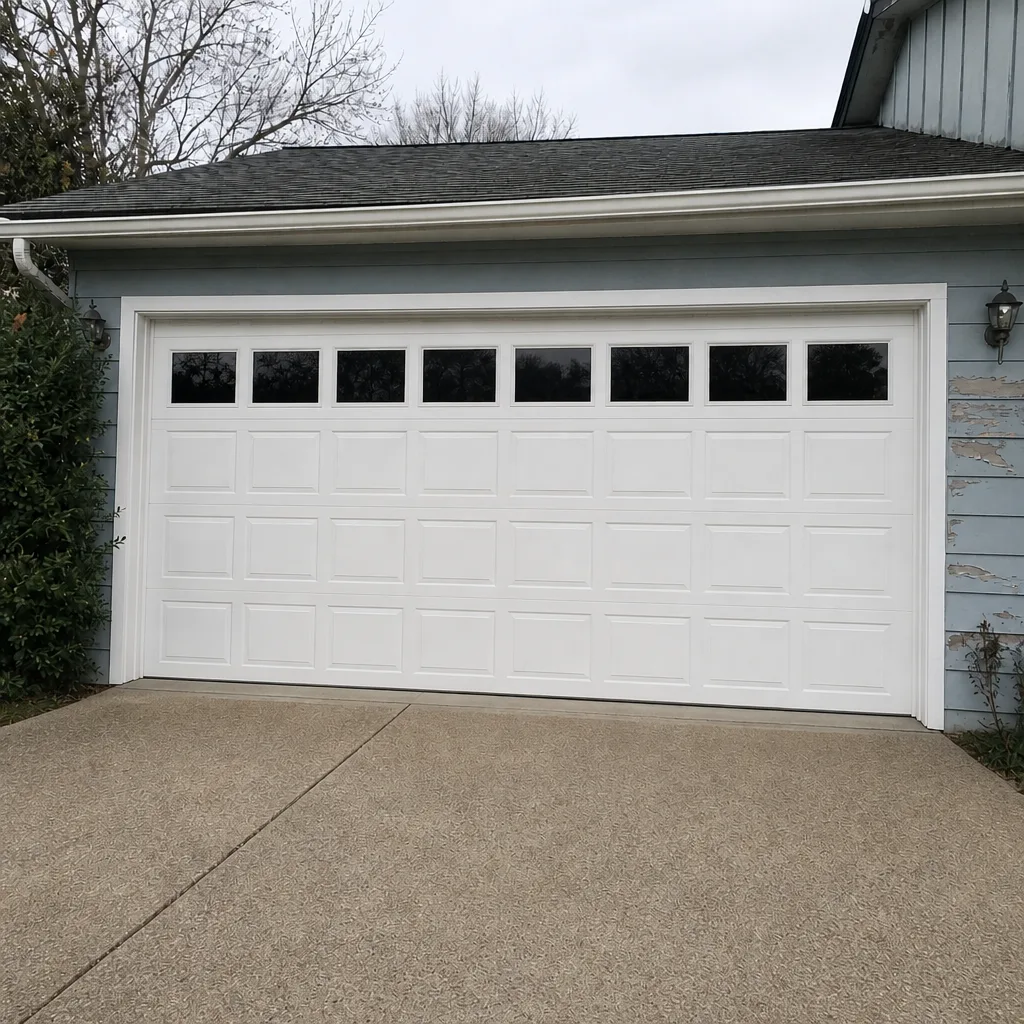 After
When to Call a Professional
Call when the door won’t lift by hand, when a spring has visibly broken, when the door is stuck open and you can’t secure it, when a vehicle is trapped inside, or when the door binds or reverses after a storm. Call if you hear a bang from the garage and the door stops working. Call if the manual release won’t re-engage, or if the door has been hit and the panels or tracks are out of line. Those are the situations where continuing to cycle the door makes things worse. Richmond Garage Door Repair Pros offers free estimates in Richmond – call (866) 353-3562. We answer 24/7. Fast dispatch from 7am to 7pm, Sunday through Friday. Our technicians have up to 14 years of experience, and we work on the brand you already own, from LiftMaster and Chamberlain openers to Clopay, Amarr, Wayne Dalton, Craftsman, and Raynor doors. The price is quoted and agreed before any work starts, so there are no surprises on the invoice.
Frequently Asked Questions
Pull the red release cord hanging from the opener trolley, then lift the door by hand from the bottom section. Before you pull, confirm the door is balanced and the springs are intact, because a disengaged door has nothing holding it up but the springs. If the door feels heavy or drops when you let go, stop and call a technician. Practice the release once now, in daylight, so it’s not the first time you try it during a storm.
Yes, in most cases. Same-day service is available for stuck doors, broken springs, and dead openers, and we treat a door that’s stuck open or trapping a vehicle as urgent. We answer 24/7. Fast dispatch from 7am to 7pm, Sunday through Friday, so call (866) 353-3562 and we’ll get you on the schedule. The price is quoted and agreed before any work starts.
No. The written estimate sets the price, and that’s the price you pay for the agreed scope of work. If we find something additional once we’re on site, we tell you and quote it before touching anything. You approve before work continues. Estimates are free, so call (866) 353-3562 for an exact quote on your door.
Yes. We connect you with vetted local professionals who are licensed and insured as their state requires, and they work on the major brands Richmond homes actually have. Our technicians have up to 14 years of experience, and they handle spring work, opener repair, and full installations. Call (866) 353-3562 for a free estimate.
Disengage the opener and try to lower the door by hand. If it won’t come down, secure the opening: park a vehicle in front of it if you can, and move anything valuable out of the garage. Don’t force a door that’s off its track or has a slack cable. Call us, describe what the door is doing, and we can usually narrow the problem down before we arrive. A stuck-open door is a security issue, so treat it as urgent.
It’s not required, but it’s the single most useful outage upgrade for a Richmond home. A backup battery keeps the door cycling for a period after the power drops, which matters during hurricane and derecho outages that can last days. LiftMaster and Chamberlain both make backup units, and we can tell you whether yours has one or can take one. Call (866) 353-3562 for a free estimate.
The Bottom Line
Garage door emergency prep in Richmond comes down to three habits: know your manual release, keep your springs and balance in shape before storm season, and look at the door before you cycle it after a storm. The manual release is ten seconds of practice that saves you an hour of panic. The balance test is the cheapest early warning a door can give you. And when something does go wrong, a stuck-open door or a snapped spring is a call, not a project. Do those three things and the next outage is an inconvenience, not an emergency.
Written by the team at Richmond Garage Door Repair Pros.