
Last updated November 21, 2026
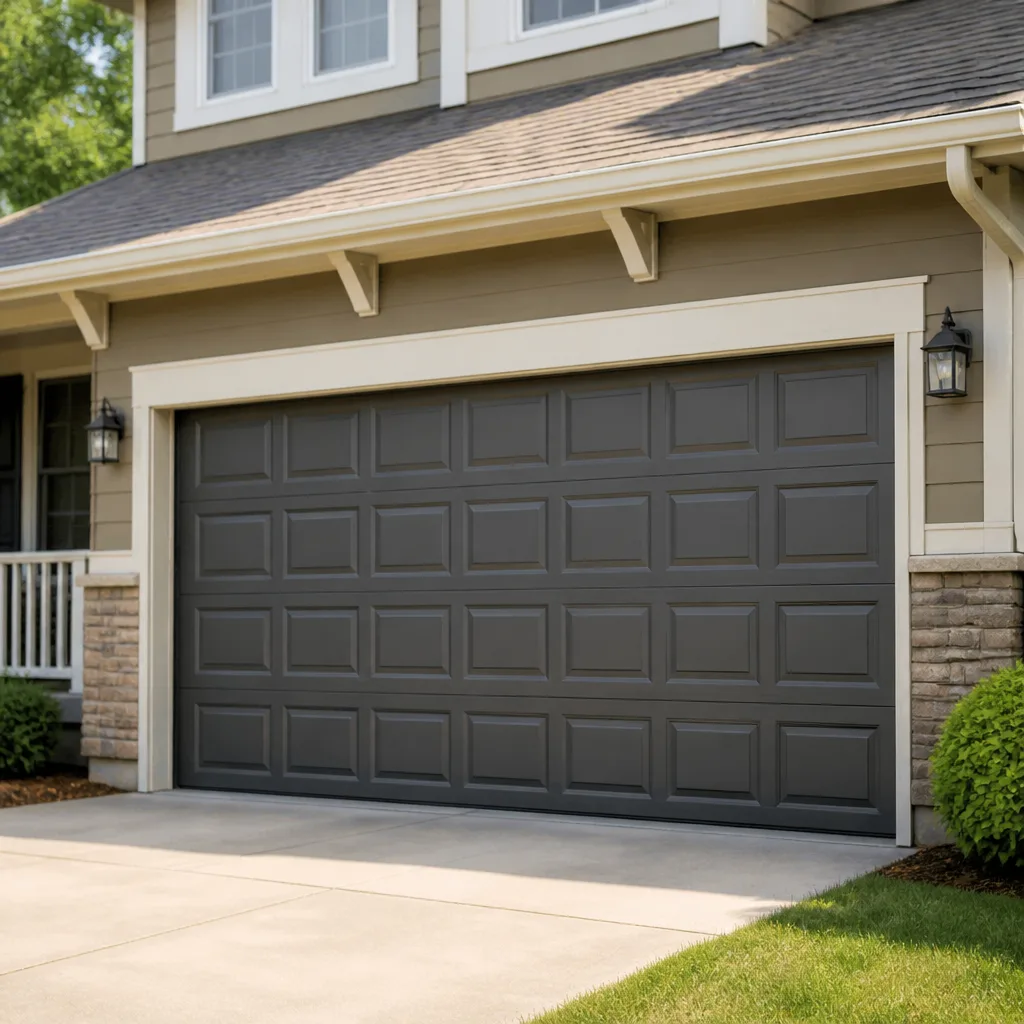 Raised-panel steel
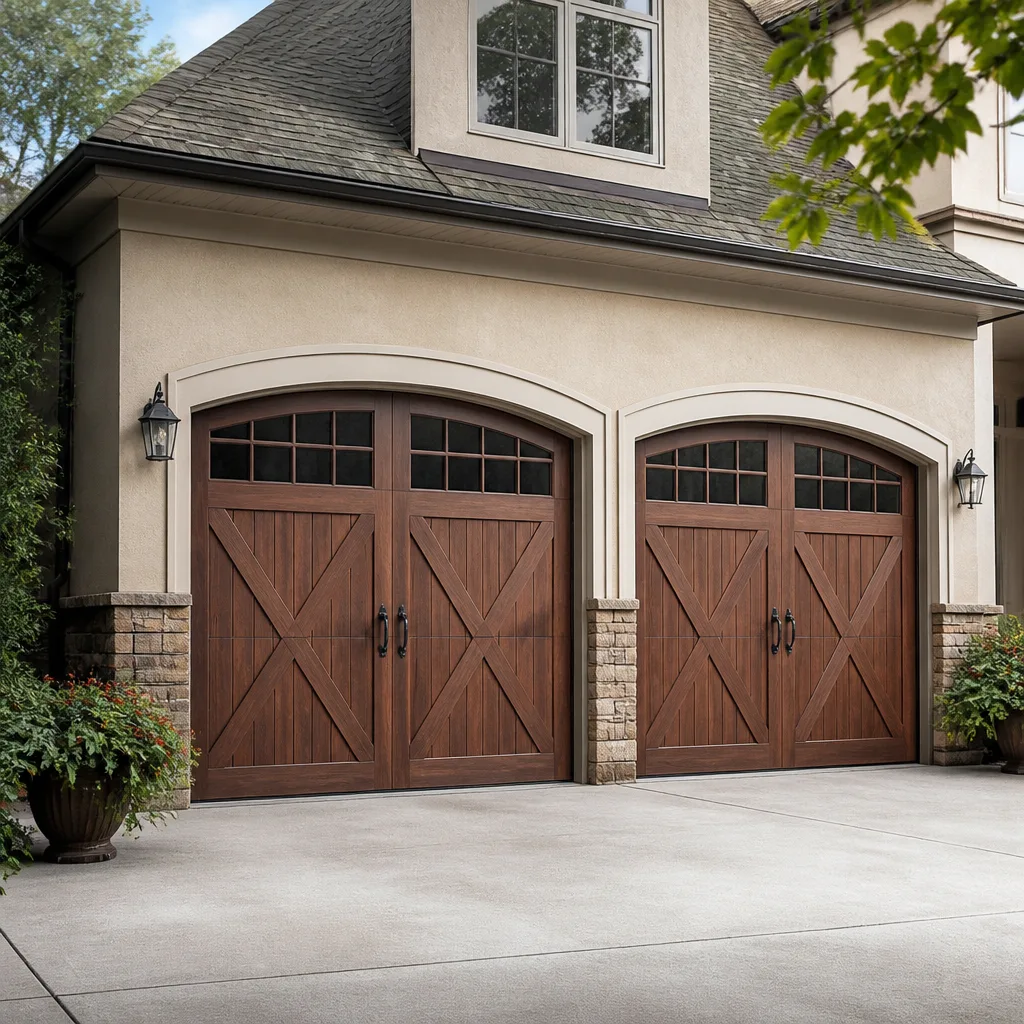 Carriage house
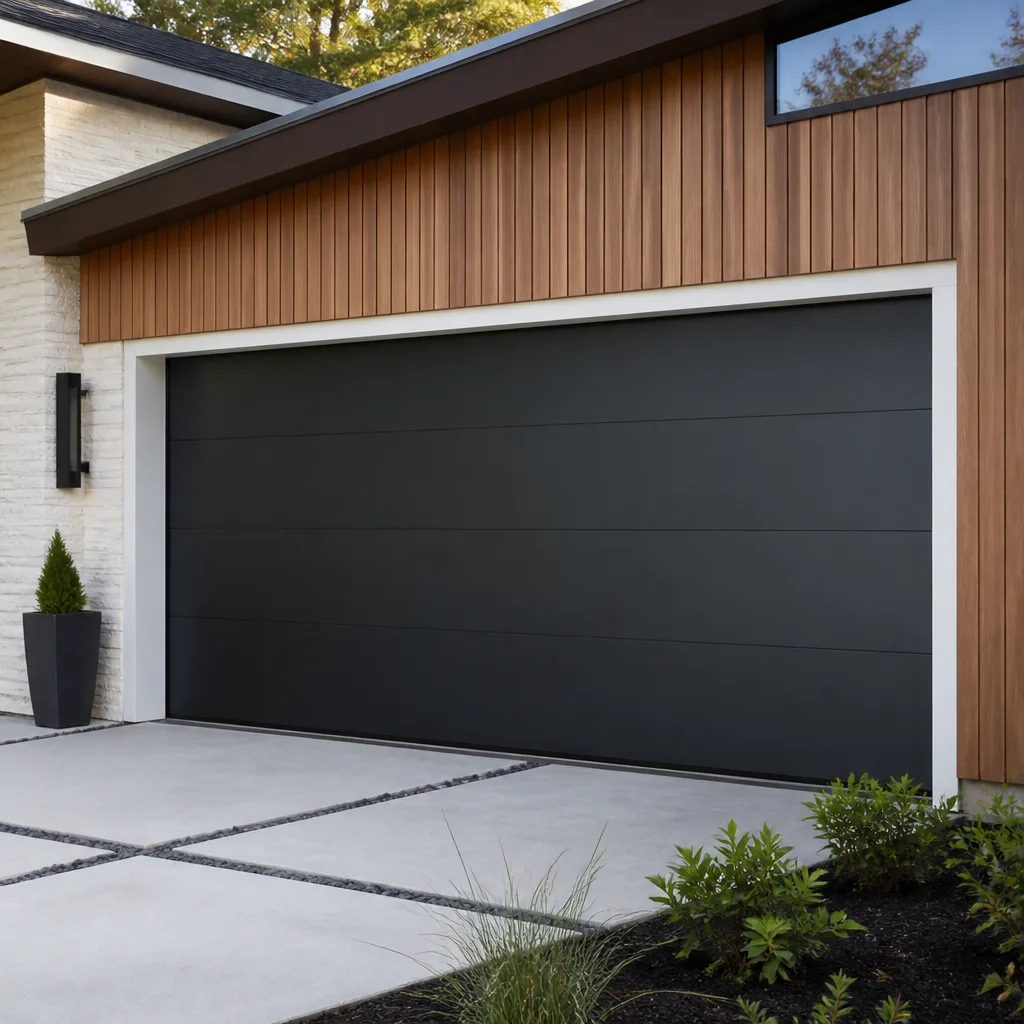 Modern flush
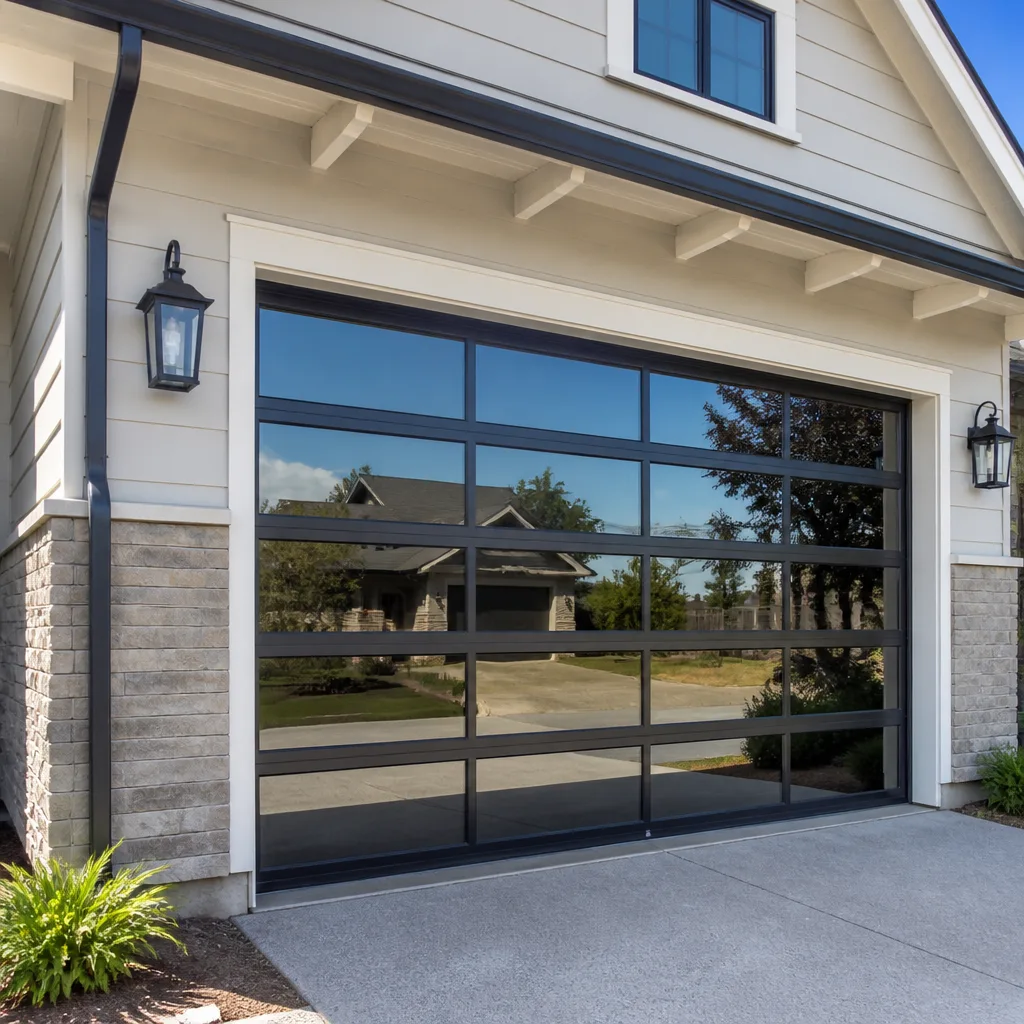 Full-view glass
 LiftMaster openers
 Chamberlain openers
Full 25-point door and opener safety check with every visit - springs, cables, rollers, tracks, and your LiftMaster or Chamberlain opener included
You get a price before we start. It does not change when the pro arrives.
Get your free estimateGarage Door Repair Maintenance Schedule: What to Do and When
The thing that shortens a spring’s life fastest isn’t age. It’s a door that’s out of balance, forcing the spring to haul more weight than it was wound for on every single cycle. That imbalance is easy to catch, and the test takes about ten seconds. Most homeowners never run it because they don’t know it exists. This guide is built around that idea: a maintenance schedule should follow how your door actually gets used and what Richmond’s weather does to the metal, cables and lubricant through a full year. You’ll get a month-by-month task calendar tied to real failure patterns, three tests that catch the vast majority of developing problems early, and clear lines on what you can safely handle yourself versus what needs a technician.
Quick Answer
Do a ten-second balance test and visual cable check once a month, lubricate hinges, rollers and springs every three to six months, and have a technician inspect springs, cables and the opener once a year. In Richmond, add a lubrication pass before the summer humidity peak and a hardware check before the first January cold snap, since those are the two points in the year when garage door parts tend to fail.
Styles & brands we work with
- Raised-panel steel
- Carriage house
- Modern flush
- Full-view glass
- LiftMaster openers
- Chamberlain openers
Table of Contents
- Why a Garage Door Maintenance Schedule Matters in Richmond
- Your Month-by-Month Task Calendar
- The Three Tests That Catch Most Problems
- What to Lubricate, and What Will Damage Your Door
- What You Can Do Yourself vs. What Needs a Technician
- Cycle-Count Benchmarks: When Parts Are Due
- Richmond Seasonal Risks: Humidity and Cold
- Common Mistakes to Avoid
- When to Call a Professional
Why a Garage Door Maintenance Schedule Matters in Richmond
A garage door is a 300-pound moving part, and it moves more often than most people realize. A door that cycles four times a day hits around 1,500 cycles a year. Do that for a decade and you’re looking at 15,000 cycles on the same springs, the same rollers and the same cables. Every one of those cycles flexes metal and works lubricant out of the moving joints.
What makes a schedule matter here is that Richmond spreads its stress across the year in two distinct ways. Summer brings heavy humidity that works against the lubricant on your rollers and hinges. Winter brings cold that makes metal contract and can stiffen aged grease. A door that feels fine in April may be groaning by August and sticking by January. A schedule that anticipates both seasons does more good than one flat checklist applied the same way all year.
There’s also the cost side. A balance problem caught in April is corrected in minutes. Left alone for two years, that same imbalance puts extra strain on the spring every time the door opens, and spring replacement is one of the more involved jobs in this trade. Maintenance is mostly about catching small things before they turn into spring and cable work.
- Monthly: balance test, visual cable and hardware check
- Every 3-6 months: lubrication pass on hinges, rollers and torsion springs
- Annually: professional inspection of springs, cables, opener and safety reverse
Your Month-by-Month Task Calendar
This calendar follows Richmond’s weather. The tasks don’t change every month, but the focus does. Use it as a starting point and adjust for how heavily your door gets used. A door on a busy family driveway cycles more in a week than a door at a quiet house cycles in a month.
- January: Test the balance and listen for groaning or binding in cold weather. Cold stiffens old grease, so this is when you’ll first hear a problem that’s been building.
- February: Check the safety reverse on the opener and look at the weatherstripping along the bottom seal for cracking from the cold.
- March: Inspect the cables and hinges for rust that winter moisture may have started. Re-lubricate anything that looks dry.
- April: Full lubrication pass. This is your spring tune-up before the humidity arrives.
- May: Run a balance test and check the opener’s force settings as temperatures rise.
- June: Inspect for rust on cables and bottom brackets as humidity climbs. Re-apply lubricant to high-use joints.
- July: Watch for sticking rollers and noisy hinges. Peak humidity pulls moisture into any joint that’s short on lubricant.
- August: The hardest month on hardware in Richmond. Re-lubricate, check the balance again, and listen for any new strain in the opener.
- September: Post-summer inspection. Look for rust that started during the humid stretch and clean it before it spreads.
- October: Lubrication pass ahead of the cold, and check the weather seal before winter drafts arrive.
- November: Look at the bottom seal and the condition of the torsion spring. Cold tolerates a weak spring poorly.
- December: Run the balance test one more time and check the opener’s safety reverse. Then start the year over in January.
The Three Tests That Catch Most Problems
Three simple tests catch the vast majority of developing issues on a residential door before they turn into a breakdown. None of them require tools. None of them require you to touch a spring or a cable. Run them together, once a month, and you’ll know more about your door’s condition than most homeowners ever do.
Test 1: The balance test. Close the door, then pull the release handle to disconnect the opener (if your door has one), and lift the door by hand to about halfway. Let go. A balanced door should hold roughly in place, maybe drifting a little. If it drops hard or rises on its own, the spring tension is off and the spring is working harder than it should on every cycle.
Test 2: The force-resistance test. Reconnect the door to the opener and run it through a full open and close cycle. A door in good shape moves smoothly at a steady pace. If it hesitates, jerks, or seems to fight the opener, there’s resistance somewhere: a dry roller, a worn hinge, a binding track or a strained spring.
Test 3: The visual cable check. With the door closed and the opener disconnected, look at the cables that run down each side. You’re looking for fraying, kinks or rust. Don’t touch them and don’t try to take up slack. Cables are under tension, and a cable that fails while you’re working near it can cause serious injury. Just look, note what you see, and let a technician handle anything that looks off.
Run all three together. If the balance test shows drift and the force test shows strain, you’ve likely got a spring issue that needs attention well before it snaps. For more on how we approach spring work, see garage door spring repair.
What to Lubricate, and What Will Damage Your Door
Lubricant choice matters more than most people think. The right product keeps hinges, rollers and torsion springs moving cleanly. The wrong one attracts grit and dirt that act like sandpaper inside every joint. And one widely used household product does real damage to garage door hardware if applied where it doesn’t belong.
Use on these components:
- Torsion and extension springs: a purpose-made garage door spring lubricant, applied lightly along the coil. This reduces the metal-on-metal friction that shortens spring life.
- Hinges: a white lithium grease or a good garage door lubricant sprayed into the pivot points.
- Rollers: a light lubricant on the roller stems and bearings, not on the roller surface itself. Never grease the part of the roller that rides the track; it needs to roll, not slide.
- Track: clean the track and leave it dry, or use the tiniest amount of lubricant. Most tracks don’t need grease at all and run best clean.
Avoid on these components:
- WD-40 on springs and rollers. This is the mistake we see most often. General-purpose WD-40 is a solvent and light oil, not a long-lasting lubricant. It strips existing grease and attracts dust, which then packs into the very joints you were trying to protect.
- Household cooking oil or heavy grease on hinges. These get gummy in cold weather and hold dirt in summer humidity.
- Any lubricant on the inside face of the photo-eye lenses. Fogginess or smudges here will make the opener misread the safety beam.
Which of these you need depends on how your door is built. Some openers, like LiftMaster and Chamberlain units, have specific maintenance notes in their manuals. About the brands we work on, our technicians are factory-familiar with the major names, which matters here because each opener can have a slightly different recommendation. When a Chamberlain opener is beeping or short-cycling, it’s usually a diagnostic hint rather than a maintenance item. Learn more about garage door opener repair when symptoms appear.
What You Can Do Yourself vs. What Needs a Technician
Some maintenance is genuinely do-it-yourself. Some carries real risk and should be left to a trained technician. The line between the two comes down to one question: does the task require working near a spring or cable under tension, or making a mechanical adjustment that affects how the door behaves?
Safe for a homeowner:
- Running the balance test and force-resistance test
- Visually inspecting cables, hinges and seals
- Lubricating hinges, roller stems and springs with the right product
- Cleaning the tracks and wiping down the outside
- Testing the opener’s safety reverse by placing a small board in the door’s path
- Replacing weatherstripping along the bottom seal
Needs a technician’s tools and training:
- Replacing torsion springs or extension springs
- Adjusting spring tension to correct an out-of-balance door
- Replacing cables
- Straightening or realigning a damaged track
- Adjusting opener force settings that affect the door’s safety behavior
- Replacing rollers that have seized in place
Springs and cables are the parts that hurt people. A torsion spring is wound to hundreds of pounds of tension. When one lets go, it moves with enough force to break a bone or worse. Never attempt to remove, adjust or wind one yourself. That work belongs to someone with the right winding bars, training and experience. Our technicians have up to 14 years of experience, and they handle the high-tension side of the job so you don’t have to.
Cycle-Count Benchmarks: When Parts Are Due
Most parts don’t announce themselves before they fail. Appearance is a poor guide. A spring that looks fine can be near the end of its fatigue life. A cable that looks steady can be one cycle from fraying. Cycle counts are the better gauge, and most manufacturers publish them. Below are typical benchmarks for a residential door. These are approximate, and the actual numbers vary by door weight and use.
- Torsion springs: commonly rated for 10,000 cycles. A door cycling four times a day hits that in about seven years. Heavier doors and higher-cycle-rated springs vary, but 10,000 is a reasonable baseline.
- Extension springs: often rated for slightly higher cycles than torsion springs, but see more stretch and wear at the end of a cycle. Plan for replacement on a similar timeline.
- Rollers: steel rollers last 10,000-15,000 cycles; nylon rollers often go longer. Any roller that’s seized or grinding is due immediately, regardless of cycles.
- Cables: no fixed rating, but a cable that’s kinked, frayed or rusted is due regardless of age. In Richmond, cables that see a humid summer or two without lubrication often degrade faster than their nominal lifespan suggests.
Here’s the practical version. If your door is on a 10,000-cycle spring and it’s been cycling four times a day, start planning spring replacement around the seven-year mark even if it still works. If your opener is a Wayne Dalton or Craftsman unit paired with older hardware, the whole assembly is aging as a system. You don’t have to replace it all at once. Just know what’s coming, so a spring failure becomes a scheduled job rather than an emergency.
The real value of cycle-count thinking is that it tells you when to look, not just what to look for. A door on a high-cycle schedule deserves a professional look earlier.
Richmond Seasonal Risks: Humidity and Cold
Richmond’s climate shapes the maintenance calendar in ways a national checklist misses. The big split is between the humid summer months and the cold winter stretch. Each creates its own distinct risk pattern on garage door hardware.
Summer humidity (roughly June through September). Central Virginia runs humid through the summer, and that moisture finds its way into every unsealed joint. When the lubricant thins out or gets displaced, bare metal starts to rust. Rusted cables fray faster. The most vulnerable spots are the bottom bracket where the cable attaches, the hinge pivot points and the torsion spring coils. A lubrication pass in May and a re-application in August covers the hardest stretch. A garage door that opens and closes with a fresh groove in the track is often showing grit or rust from this period.
Winter cold (roughly December through February). Cold metal contracts and thickens any grease that’s still on the door. An aged lubricant that felt fine in October starts binding in January. That’s when homeowners notice their door feels heavier or starts hesitating at the top of the travel. The balance test is more important in January than any other month because the cold can turn a small tension problem into a sticky door. The bottom seal also cracks in cold, letting drafts and moisture in below.
Spring and fall are the sweet spots. Use those seasons for the big lubrication passes. The temperature is moderate, the lubricant spreads evenly and you can run a full inspection without freezing or baking outside.
Richmond’s older housing stock along the near West End and Northside carries doors that have been through many cycles of this weather. That doesn’t mean those doors are in worse shape than newer ones. It just means the seasonal risk is higher on a door that’s mid-cycle on its springs. When seasonal strain turns into an actual failure, our emergency garage door service steps in. We answer 24/7, and we offer fast dispatch from 7am to 7pm, Sunday through Friday.
Common Mistakes to Avoid
- Oil on the tracks. The common advice to grease the tracks makes rollers slide rather than roll. Sliding rollers wear flat, and a door that can’t roll smoothly puts extra strain on the opener. Keep the tracks clean and dry.
- General-purpose WD-40 on the hardware. It strips the good lubricant and leaves a light oil that collects dust. Use a purpose-made garage door lubricant instead.
- Skipping the balance test because the door “works”. A door can open and close for years while out of balance, and every one of those cycles adds strain. The ten-second test is the single most useful habit on this list.
- Adjusting spring tension without tools or training. Springs are wound under hundreds of pounds of tension. A slip here is one of the most common garage door injuries. Leave the adjustment to a technician.
- Ignoring a new sound. A groan, a clunk or a scraping noise is a system telling you something changed. In Richmond humidity, a new noise often means a roller or hinge is seizing.
- Replacing a whole opener when only one part failed. A beeping Chamberlain or a slow LiftMaster unit with a working motor often just needs new hardware. Having a technician diagnose first saves money over parts-and-opener replacement.
- Putting off a weather-seal replacement until winter. The bottom seal is what keeps Richmond’s summer moisture and winter drafts out of the garage. Replacing it in early fall is easier than fixing a rusted bracket in December.
When to Call a Professional
Some signs call for a technician right away. A snapped spring where the door is now too heavy to lift safely. A cable that’s visibly frayed or has come loose on one side. A door that slams shut without slowing. An opener that runs the door up and then fails to reverse on the way down (test the safety reverse; if it fails, call before using the door again). A track that’s visibly bent or has pulled away from the wall. Or a door that’s so far out of balance it won’t hold position in the balance test and drifts hard. In each of these, the door is a risk to property and people, and the fix needs tools and training. Any of the task-calendar work above that falls past the “safe for a homeowner” line is also worth a call.
If you’re not sure whether what you’re seeing needs a technician or just a little lubricant, describe the symptom and we’ll tell you honestly. We don’t chase jobs that are a ten-minute fix and a can of the right grease.
Richmond Garage Door Repair Pros offers free estimates in Richmond, from a quick look at an aging spring to a full assessment of an older system that’s near the end of its cycle life. Call (866) 353-3562. We answer 24/7, and we offer fast dispatch from 7am to 7pm, Sunday through Friday.
See the difference
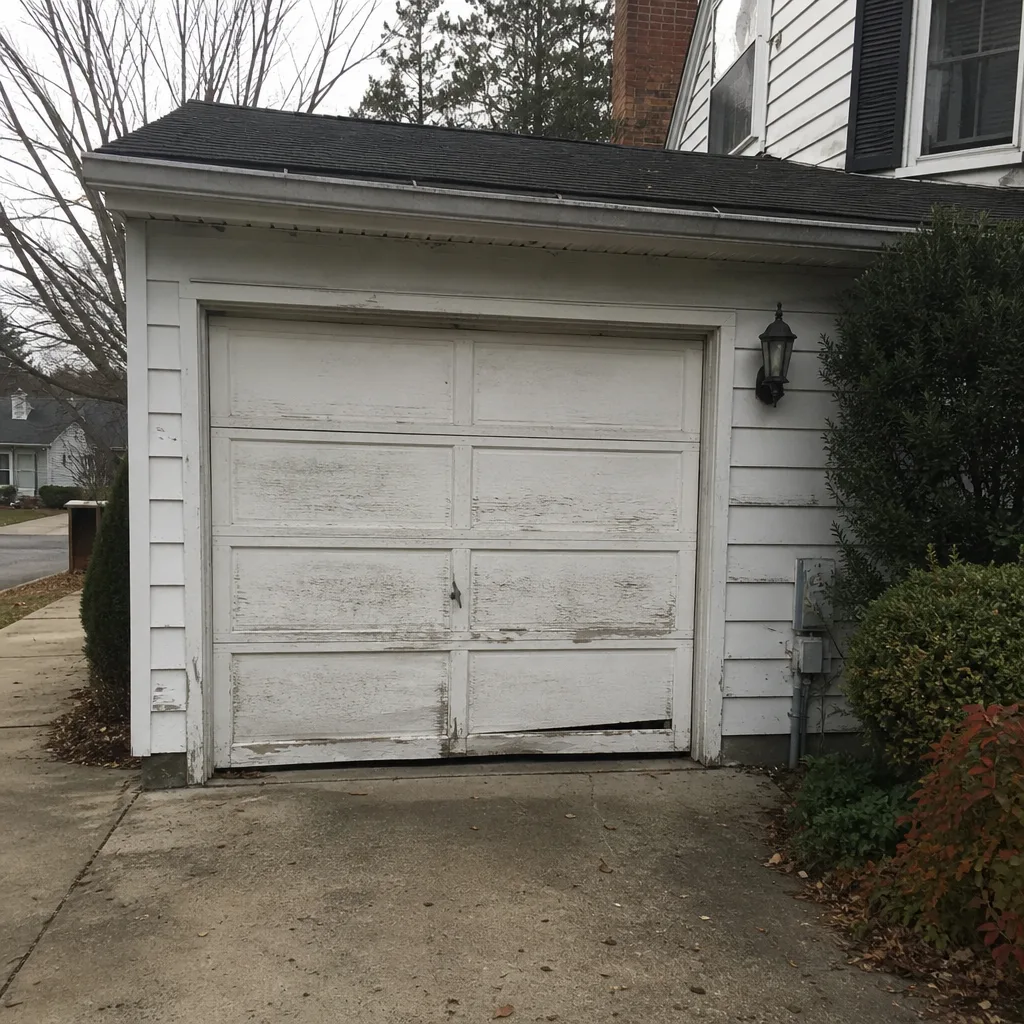 Before
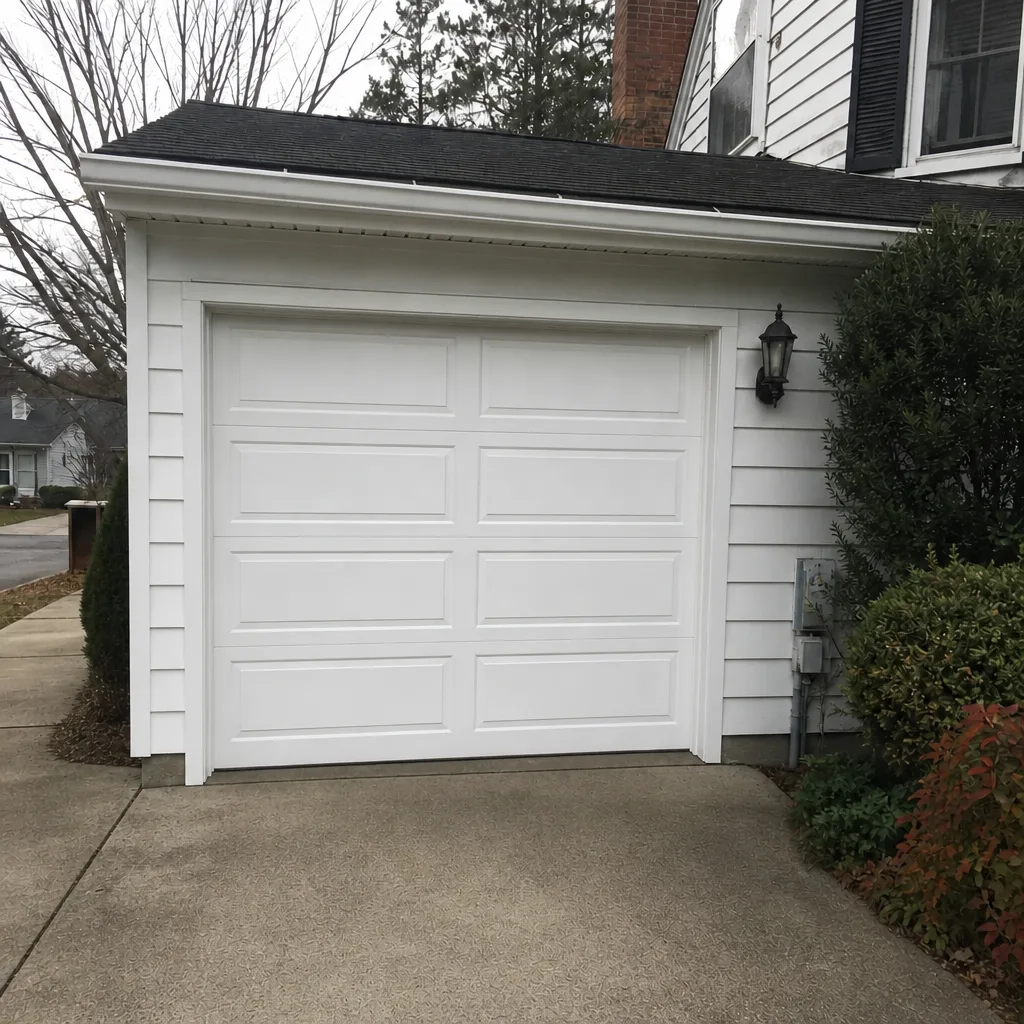 After
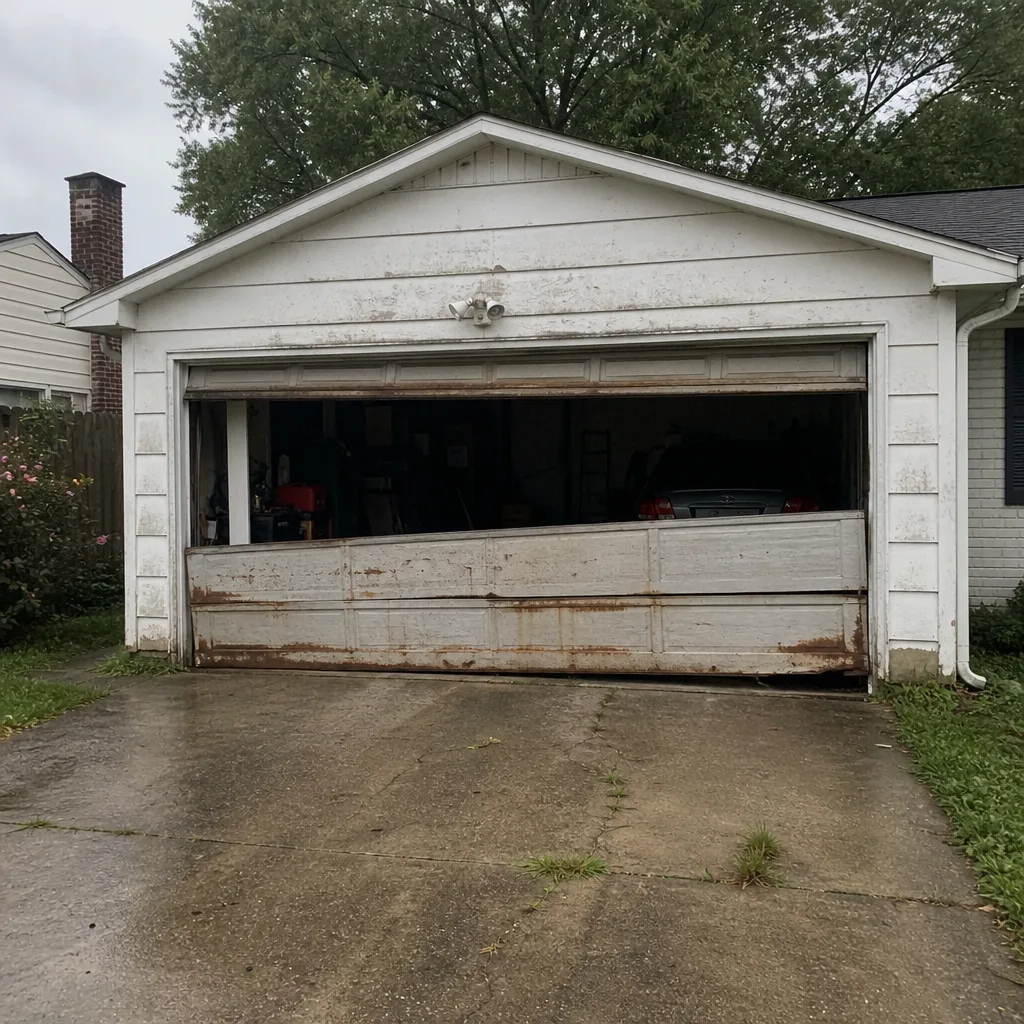 Before
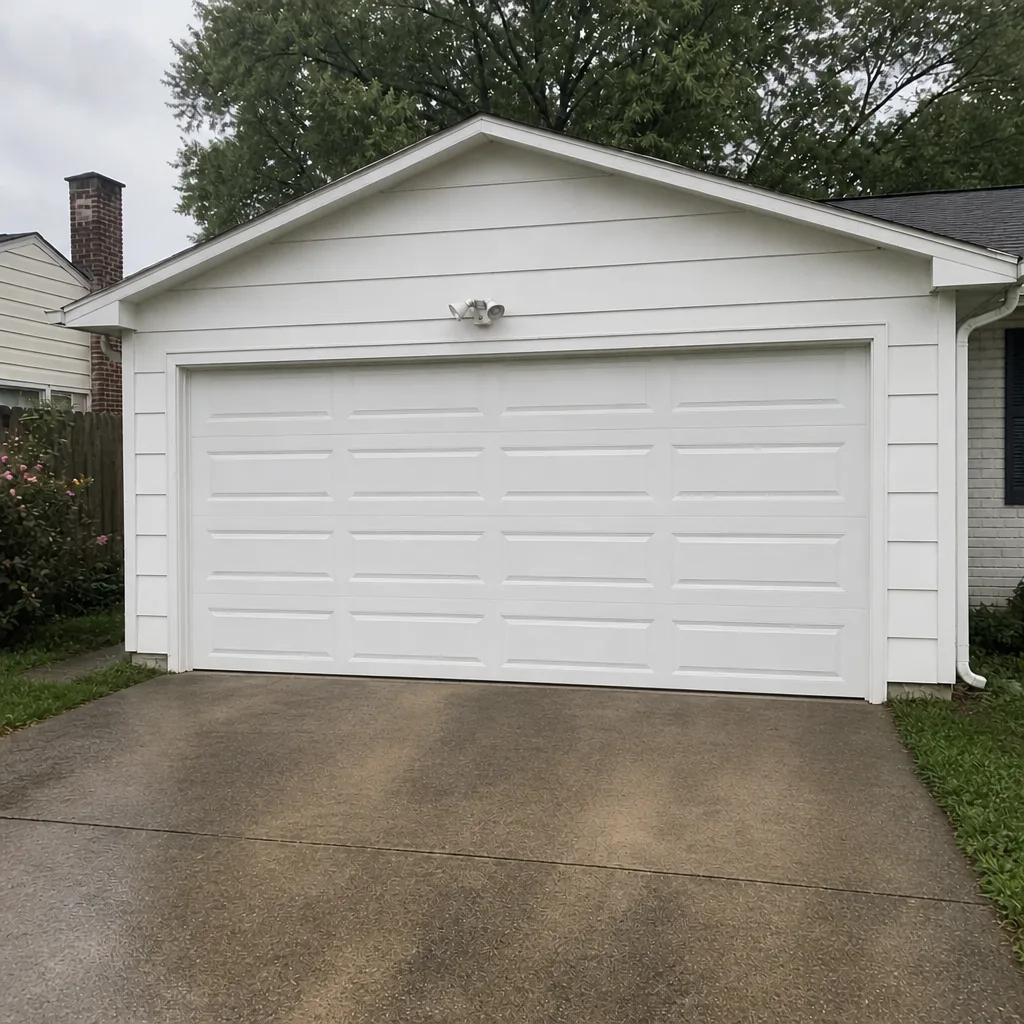 After
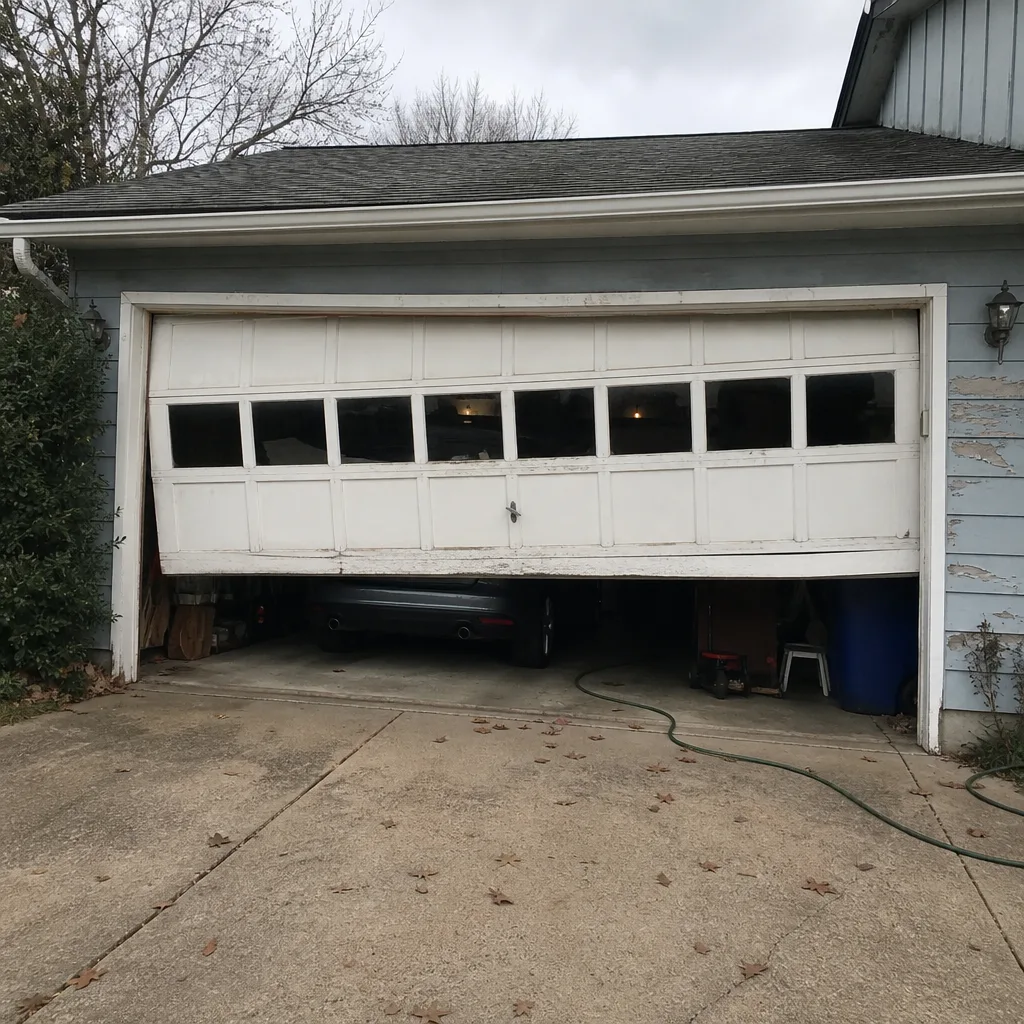 Before
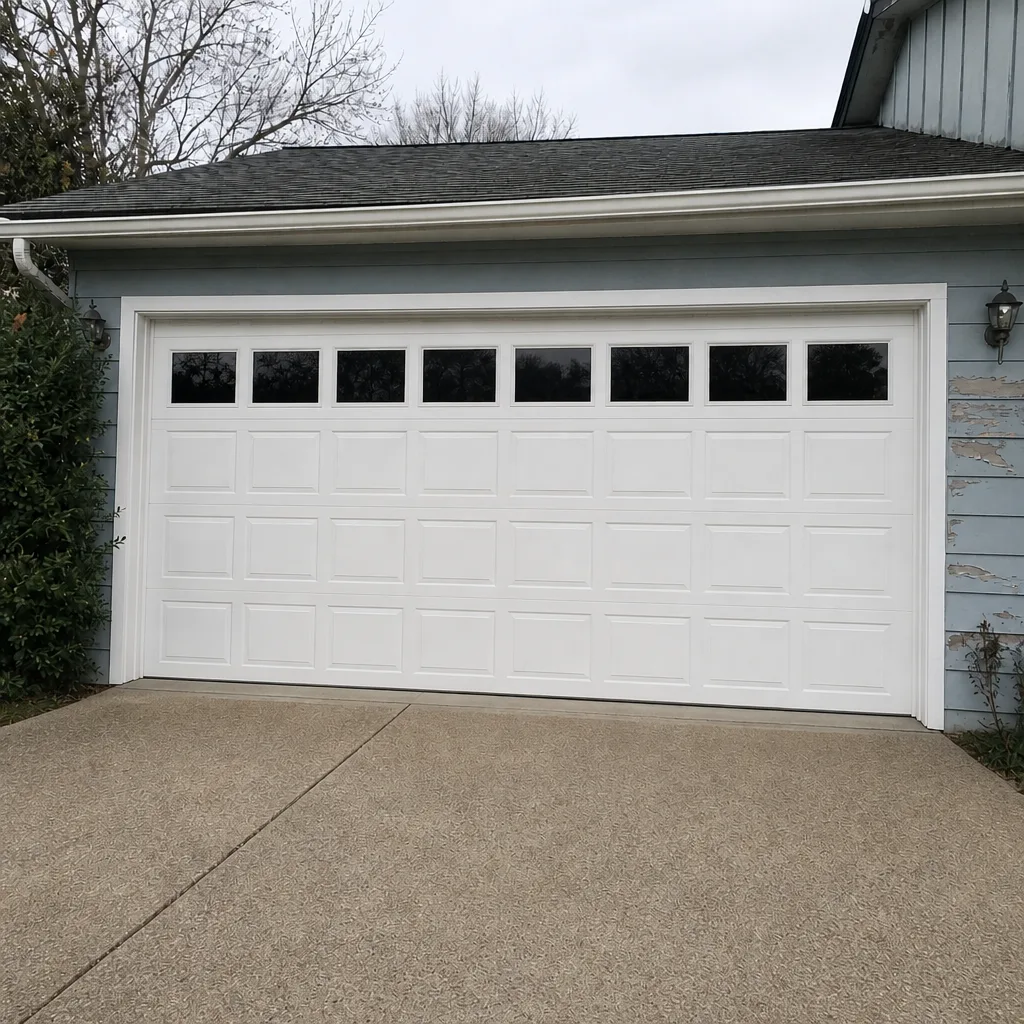 After
Frequently Asked Questions
Once a year for a professional inspection, plus a quick monthly balance and cable check you can do yourself. Add lubrication every three to six months. In Richmond, put one lubrication pass before the summer humidity and another before winter cold. That schedule catches most problems before they become spring or cable failures.
Yes, for lubrication, cleaning the tracks, testing the balance and safety reverse, and visually inspecting cables. No, for anything involving springs, cables, track realignment or opener force adjustments. Those need a technician’s tools and training. Springs are wound under hundreds of pounds of tension and are not a DIY job.
An out-of-balance door. When the door isn’t balanced, the spring has to work harder on every single cycle, which shortens its life well before the cycle rating is reached. The balance test catches this in about ten seconds. Run it monthly and call a technician if the door drops or rises on its own.
We’re closed Saturday and open Sunday through Friday, 7am to 7pm, with dispatch during those hours. If your door fails on a Saturday, call and we’ll book you into the earliest opening Sunday. We answer 24/7, and a call placed outside dispatch hours is set up for the next slot, Sunday through Friday, 7am to 7pm.
A purpose-made garage door spring and hardware lubricant, or white lithium grease on hinges. Never use general-purpose WD-40 on springs or rollers, and never grease the tracks or the inside face of the photo-eye lenses. Tracks run best clean and dry.
Yes. Our technicians are factory-familiar with LiftMaster, Chamberlain, Genie, Clopay, Amarr, Wayne Dalton, Craftsman and Raynor equipment, so the diagnosis and the parts are matched to what you actually own. We can handle garage door repair, opener work and a full new door when the time comes. Our technicians have up to 14 years of experience. If you’re weighing up whether repair is the right call for an aging system, we can also quote a garage door installation so you can compare. For an overall look at who we are and what we cover, visit Richmond Garage Door Repair Pros.
The Bottom Line
A maintenance schedule works when it follows the door’s actual use and Richmond’s actual climate, not a generic quarterly checklist. Run the ten-second balance test monthly. Lubricate hinges, rollers and springs on a spring-and-fall rhythm. Get a professional inspection once a year. Know your cycle counts so you can plan for spring and cable replacement instead of being caught off guard. If something is off-limits to you as a homeowner (springs, cables, track work), call a technician rather than risk injury. A little prevention goes a long way in this trade. The door that gets a monthly look and a twice-a-year lubrication pass is the one that stays quiet for years.
Written by the team at Richmond Garage Door Repair Pros.