
Last updated November 21, 2026
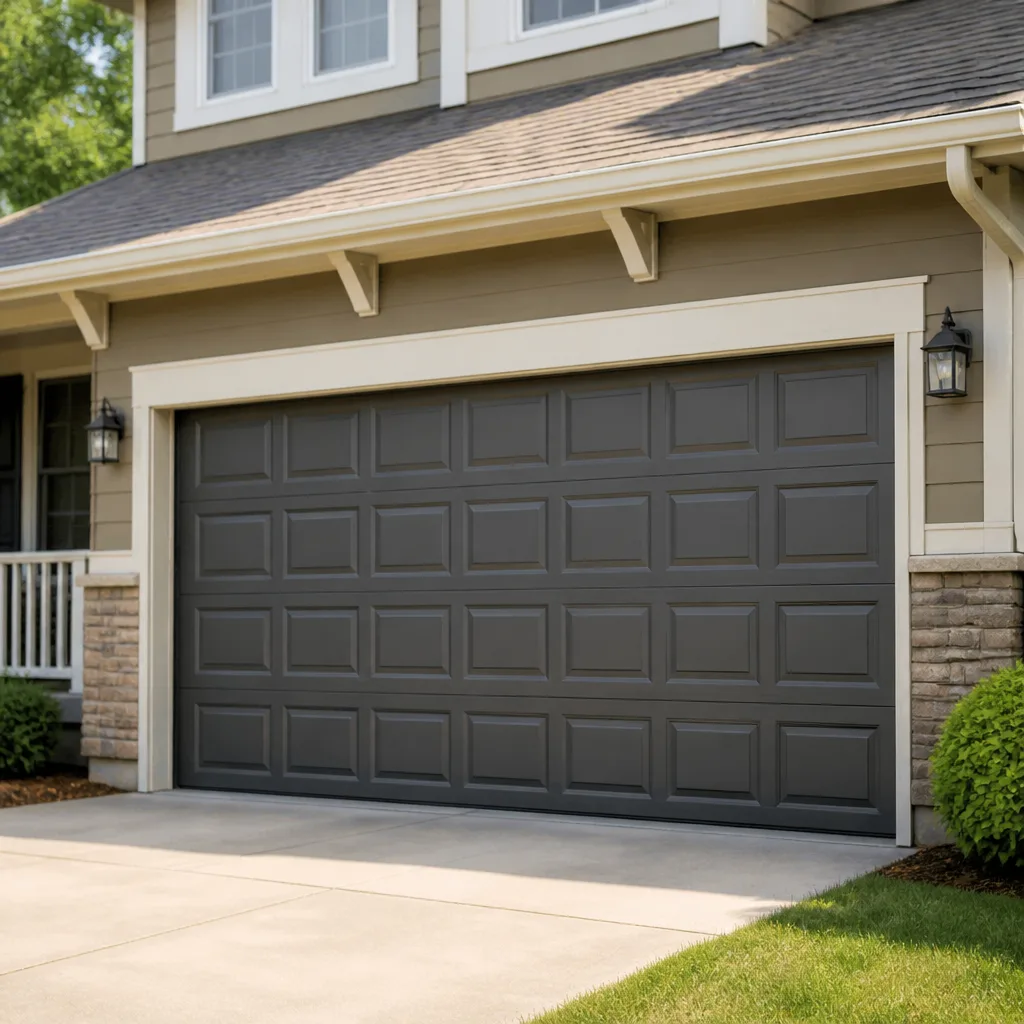 Raised-panel steel
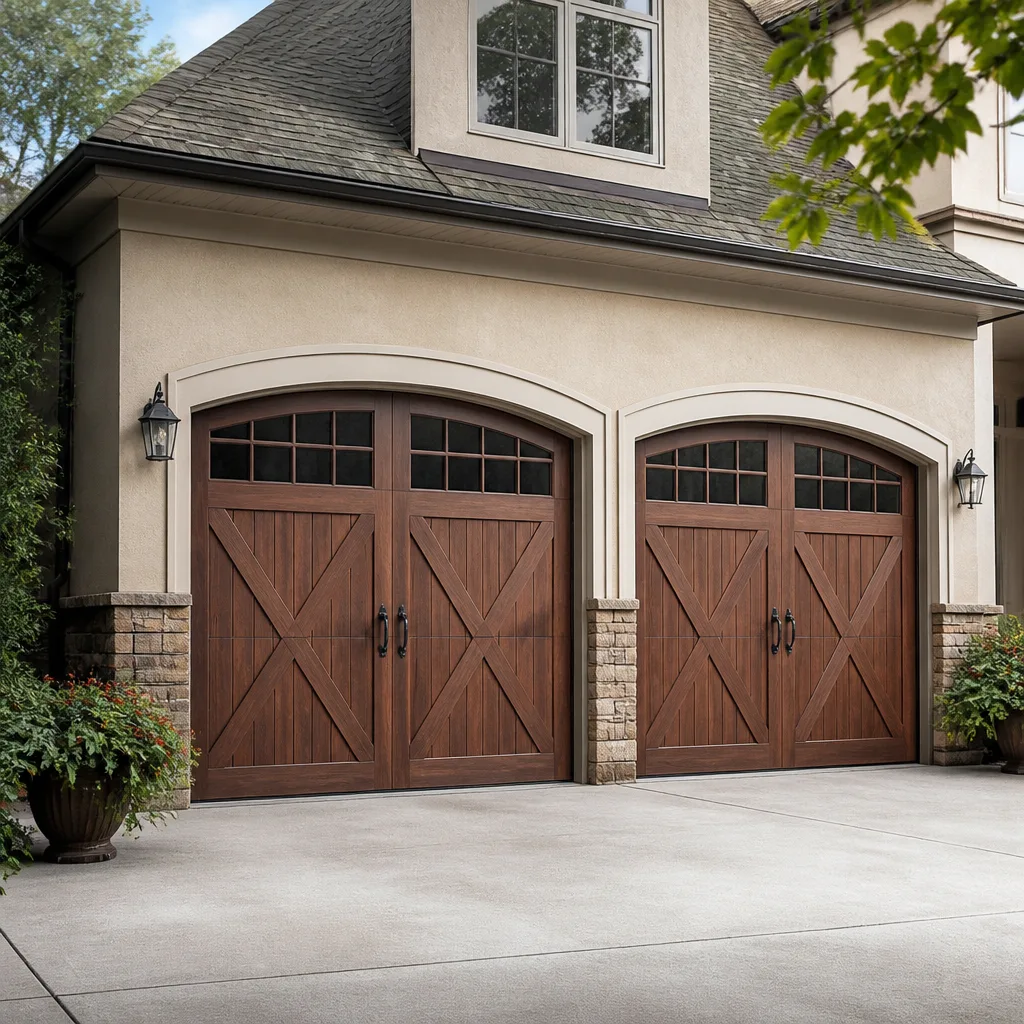 Carriage house
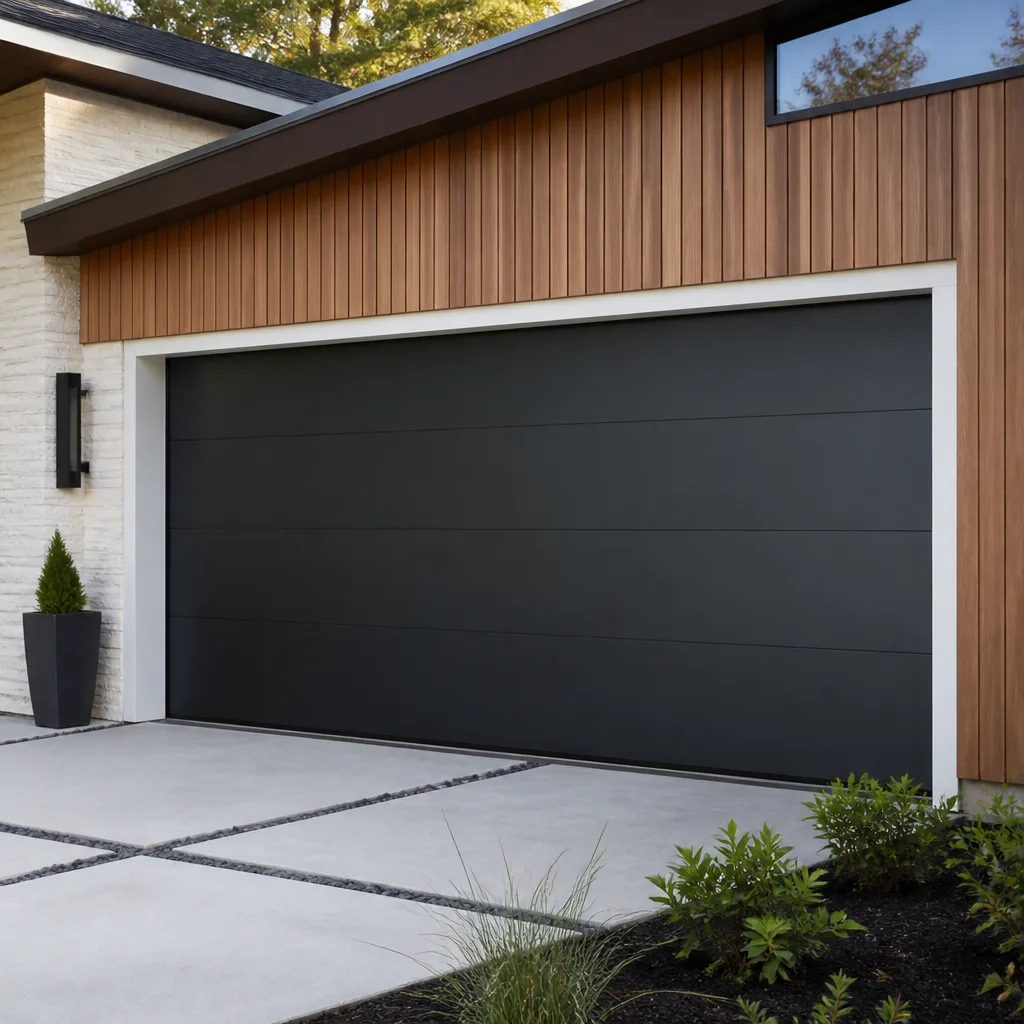 Modern flush
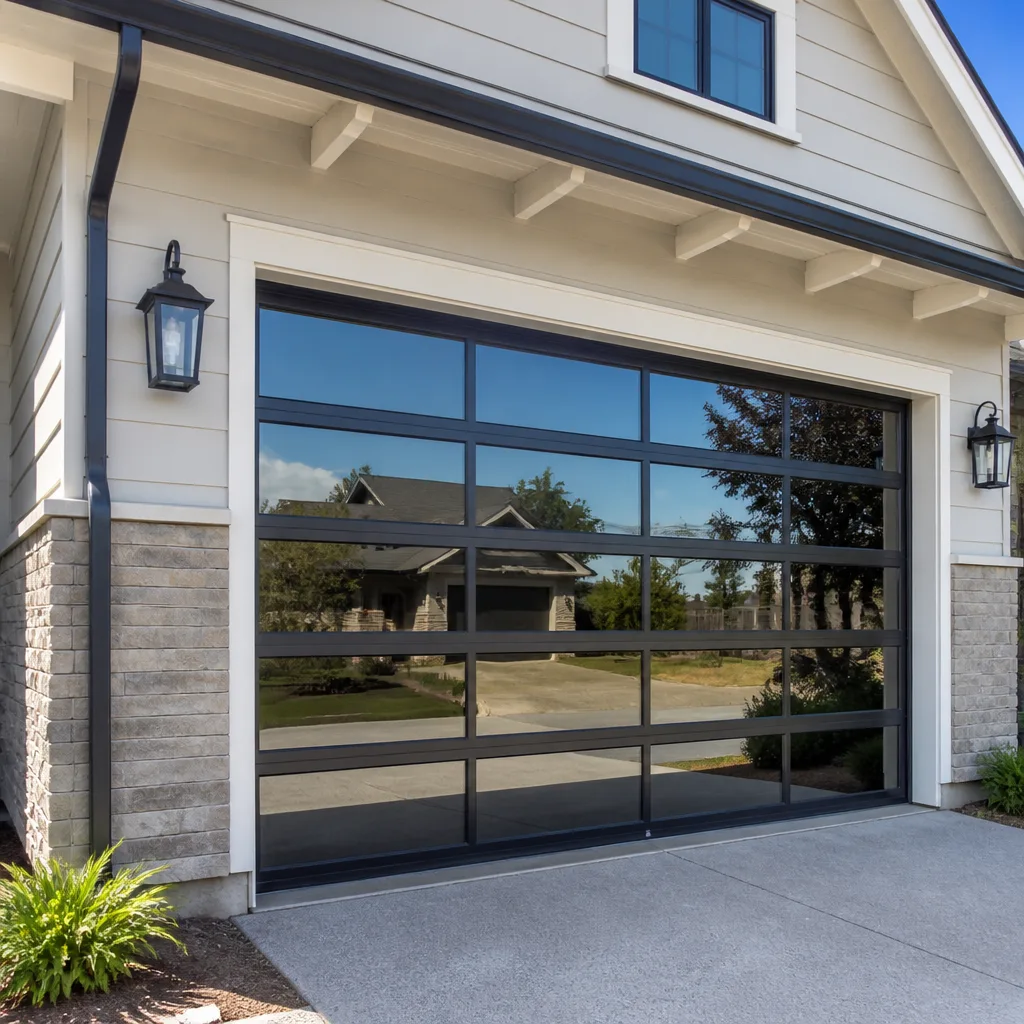 Full-view glass
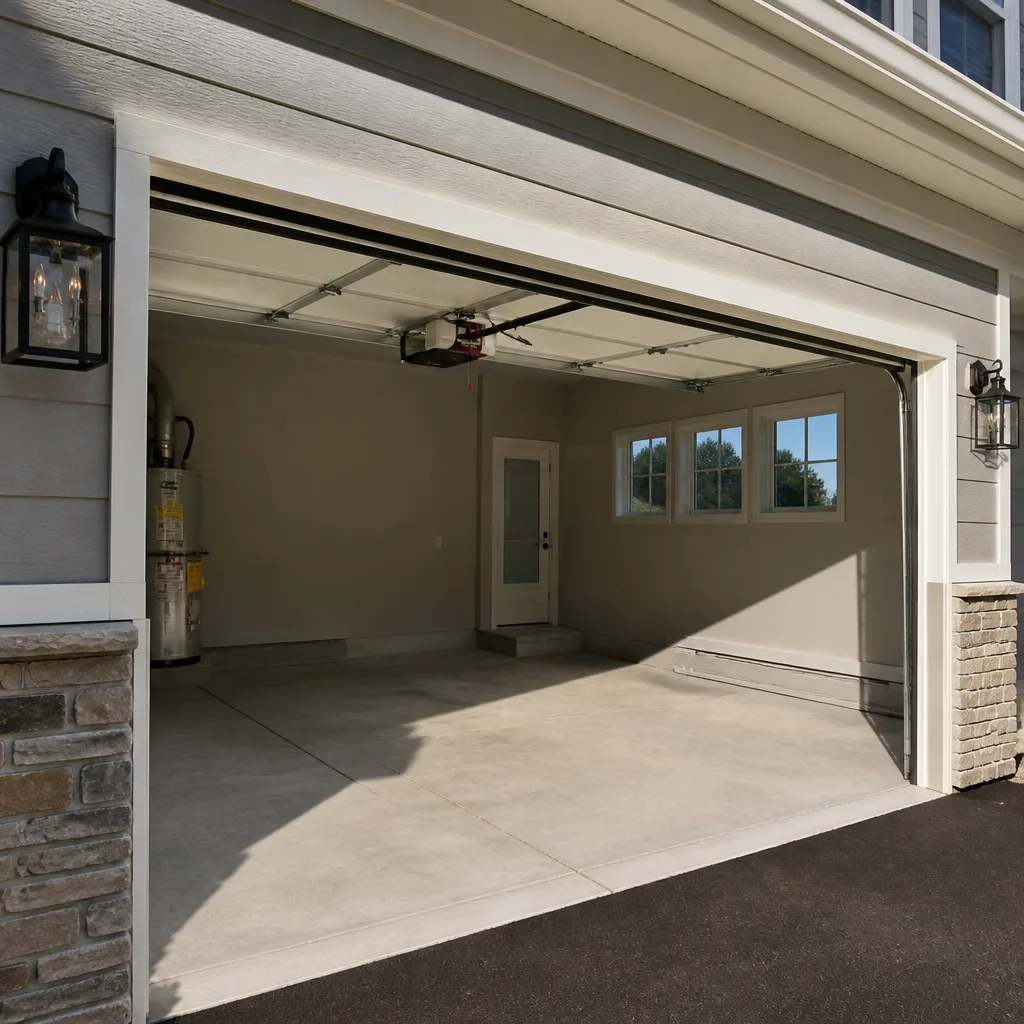 LiftMaster openers
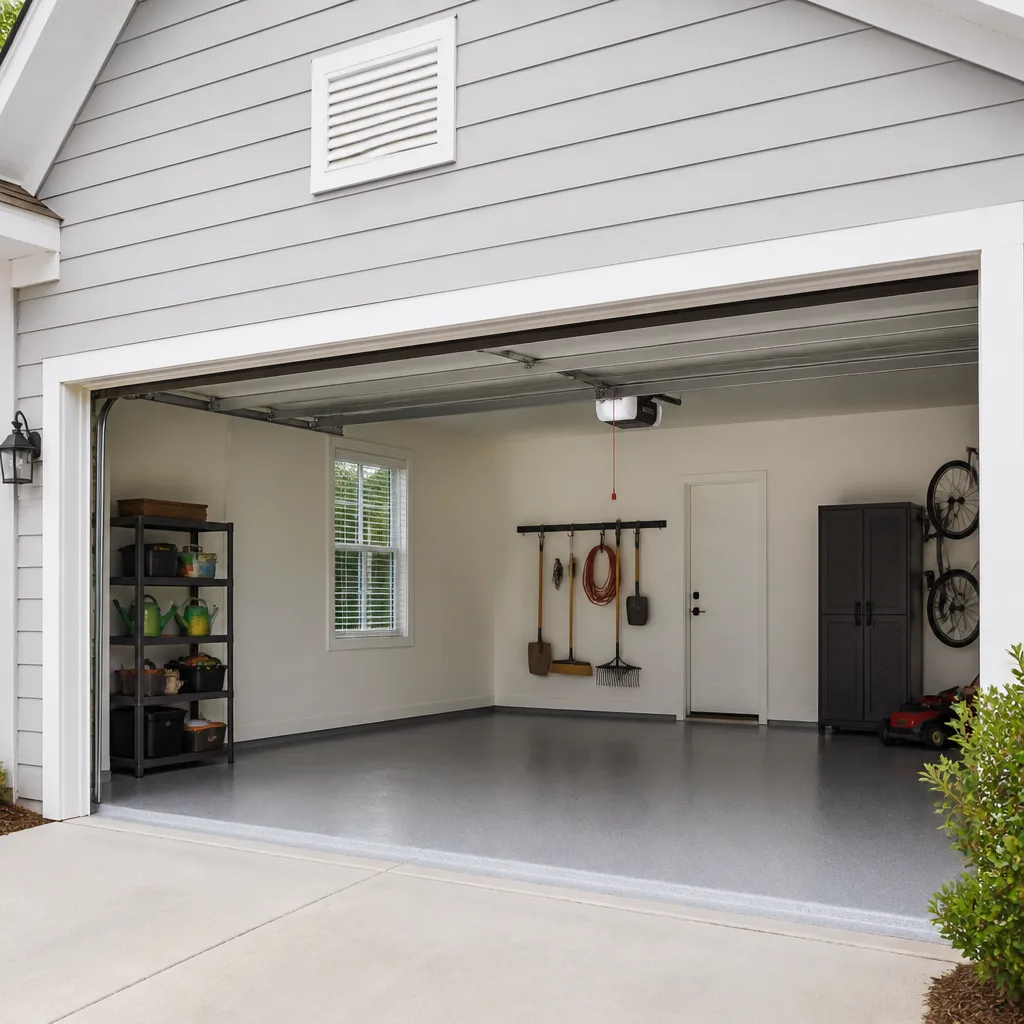 Chamberlain openers
Full 25-point door and opener safety check with every visit - springs, cables, rollers, tracks, and your LiftMaster or Chamberlain opener included
You get a price before we start. It does not change when the pro arrives.
Get your free estimateGarage Door Repair Troubleshooting in Richmond: Common Problems and How to Fix Them
If your garage door stops halfway and reverses, most homeowners blame the opener. They’re usually wrong. In the large majority of these calls, the opener is doing exactly what it was built to do: it detects resistance, decides something is in the way, and backs off to protect the door and anyone standing under it. The fault almost always sits somewhere else in the system – a spring that’s lost tension, a track that’s out of line, a roller that’s dragging. Learning to read the door as a whole system instead of chasing the symptom is the difference between guessing and solving. This guide walks you through how we troubleshoot garage doors in Richmond, from the disconnect test to the sound signatures that tell you what’s failing.
Quick Answer
Start with the manual release: pull the red cord, disengage the opener, and try lifting the door by hand. If it’s heavy, binds, or won’t stay up, you have a mechanical problem (springs, tracks, rollers) and the opener isn’t the issue. If it lifts smoothly by hand and still won’t run, the fault is in the opener, the safety sensors, or the wiring. That one test sorts most garage door problems into the right repair category before you touch anything else.
Styles & brands we work with
- Raised-panel steel
- Carriage house
- Modern flush
- Full-view glass
- LiftMaster openers
- Chamberlain openers
Table of Contents
- The Disconnect-and-Lift Test: Sort Mechanical From Electrical
- How to Read the Symptoms of a Failing Torsion Spring
- Why Richmond Humidity Binds Wood-Frame Doors
- The Safety Sensor Check That Fixes Most “Door Won’t Close” Calls
- Sound Signatures: Spring vs. Roller vs. Opener Gear
- Track Misalignment and Roller Wear
- Opener Logic, Travel Limits, and Smart Units
- Five Problems You Should Never DIY
The Disconnect-and-Lift Test: Sort Mechanical From Electrical
The single most useful troubleshooting step is the one almost nobody does first. Before you look at the opener, the remotes, or the wall button, disconnect the door from the motor and move it by hand. This isolates the two halves of the system: the door and its hardware on one side, the opener and its electronics on the other. Whatever you learn here decides everything that follows.
Here’s how to run it safely on a door that’s fully closed and at rest:
- Pull the red manual release cord hanging from the opener rail. This disengages the trolley so the door moves free of the motor.
- Stand to the side of the door, not under it, and lift the bottom section slowly by hand.
- Notice the effort. A balanced door should lift with one hand and feel light – the springs are meant to carry most of the weight.
- Stop it about halfway up and let go. A properly balanced door stays roughly where you left it, or drifts only slightly.
- If the door is heavy, slams down, or binds in the tracks, the problem is mechanical. If it glides up and down smoothly but the opener won’t run it, the problem is the opener or its sensors.
A heavy door that drops when released points straight at spring tension. At that point, stop. Torsion springs store enormous force, and the lift test is where a homeowner should hand off to a trained technician rather than keep poking. For a Richmond door that’s pulling hard or won’t hold halfway, that’s the moment to call in garage door spring repair rather than run the opener against a door it can’t safely lift. The opener will strain, the gears will wear, and you’ll turn one problem into two.
How to Read the Symptoms of a Failing Torsion Spring
Torsion springs are the most common failure point on any garage door, and they fail in ways that are easy to misread. The springs do the actual work of lifting a door that weighs a few hundred pounds; the opener mostly just guides it. When a spring weakens or breaks, the door suddenly feels its full weight, and the symptoms show up in the door’s behavior, not the motor.
What a failing torsion spring looks like:
- A loud bang from the garage. A torsion spring breaking sounds like a gunshot or a heavy shelf collapsing. It usually happens when the door is at rest, not mid-cycle.
- The door lifts a few inches and stops. The opener strains against a door it can no longer raise and gives up.
- A visible gap in the spring coil. Look at the torsion bar above the door. A clean break in the coil is unmistakable once you know where to look.
- The door feels extremely heavy on the manual lift. This ties back to the disconnect test – a door that should be light suddenly feels like dead weight.
Here’s the part that matters most: never run the opener on a door with a suspected broken spring, and never try to wind or unwind a torsion spring yourself. Those springs are under extreme tension, and the winding process requires specific tools and training. This is the repair where a specialist earns their keep. Our technicians handle both torsion and extension spring work in-house, and it’s the job we take most seriously because it’s the one with the real injury risk. If you hear that bang, leave the door down and call. Spring failures don’t wait for a convenient time, which is exactly why we keep emergency service available.
Why Richmond Humidity Binds Wood-Frame Doors
Richmond summers are humid, and that humidity does quiet, persistent damage to wood-frame garage doors. The wood absorbs moisture, swells slightly, and changes shape. A door that ran clean in April can start binding in July – sticking in the tracks, scraping on one side, or refusing to seat fully closed. Homeowners often read this as track damage or an opener fault when the actual cause is seasonal wood movement.
What to look for when a door binds only in certain weather:
- The binding comes and goes with the season rather than being constant.
- One side of the door scrapes while the other runs clean, which points to a panel that’s swelled unevenly.
- The door drags near the bottom, where moisture collects and the wood takes on the most.
- The problem eases after a dry stretch and returns after rain.
The wrong fix is to crank up the opener’s force setting so it powers through the bind. That masks the problem and wears the opener out faster. The right approach is to correct the door’s alignment and clearance so it moves freely on its own, then confirm the opener only has to guide a balanced door. In our experience across Richmond, a lot of “track damage” calls are really humidity-swollen panels that need adjustment, not replacement. If your door sticks seasonally, it’s worth a proper look before you assume the worst – a technician can tell the difference in a few minutes. A door that fights its tracks all summer also ages its rollers and hinges faster, so catching it early saves more than the repair itself.
The Safety Sensor Check That Fixes Most “Door Won’t Close” Calls
If your door opens fine but reverses or refuses to close, the safety sensors are the first place to look. These are the two small eyes mounted near the floor on each side of the door, and they form an invisible beam across the opening. If that beam is broken or the sensors are misaligned, the door won’t close – it’s designed to reverse rather than crush something in its path. A large share of “door won’t close” service calls resolve here.
Run this check before anything else:
- Look at both sensors. Each should have a small indicator light that’s on and steady. A blinking or dark light means the sensors aren’t seeing each other.
- Wipe the sensor lenses clean. Dust, cobwebs, and Richmond pollen build up on the eyes and block the beam.
- Check for obstructions in the beam path – a shovel, a trash can, a bike, or a sagging object.
- Confirm the sensors are aimed at each other. A light bump can knock one slightly off-axis.
- Check the sun. Low sunlight hitting one sensor directly can blind it. Shading the sensor with a small shield often fixes a door that only fails at certain times of day.
If the lights are steady and the path is clear but the door still reverses, the issue may be the wiring or the opener’s logic board, not the sensors themselves. That’s when it’s time for a proper diagnostic. Sensor problems are one of the few fixes a homeowner can often handle – but if the door keeps reversing after a clean, realigned sensor, don’t keep forcing it closed. Call (866) 353-3562 and we’ll sort out whether it’s wiring, alignment, or the opener itself.
Sound Signatures: Spring vs. Roller vs. Opener Gear
A garage door talks to you. The type of noise it makes points to the failing part with surprising accuracy, and learning to listen is one of the fastest ways to troubleshoot. Here’s how we read the three most common sound signatures.
A failing torsion spring. Before a spring breaks outright, it often gives a dull, grinding groan as the door moves – the sound of a spring losing tension and rubbing. That single loud bang is the break itself. Any grinding followed by a bang means stop using the door.
Worn rollers. Bad rollers produce a rhythmic squeal or rumble that rises and falls with the door’s travel. It’s a rolling noise, not a bang, and it often comes with a shudder you can feel in the door. Rollers are wear items, and replacing a set quiets the door and eases strain on the opener.
A stripped opener gear. If you hear the motor run but the door doesn’t move, and there’s a whirring or grinding from the opener housing itself, the drive gear is likely stripped. On many Chamberlain and LiftMaster units the gear is a nylon part that wears over time. The motor sounds fine; it just isn’t turning anything.
One more sound worth knowing: a scraping or metal-on-metal grind as the door moves usually means a track or hinge problem, not a spring or opener. Matching the sound to the part narrows the diagnosis before you spend a dime. If you’re not sure which category your noise falls into, a technician can identify it on a single visit – and that visit usually resolves the repair, so you’re not left waiting.
Track Misalignment and Roller Wear
Tracks and rollers are the door’s suspension, and when they drift out of line the door misbehaves in ways that mimic opener and spring problems. A door that jerks, binds on one side, or scrapes its way up is usually telling you the tracks are off or the rollers are shot.
What causes track and roller trouble:
- Impact. A bump from a car, a bike, or a ladders against the rails can knock a track out of vertical alignment.
- Loose fasteners. The brackets holding the tracks work loose over years of cycling, letting the rails shift slightly.
- Worn rollers. Steel rollers develop flat spots; nylon rollers crack or wear down. Either way, the door stops rolling smoothly.
- Humidity and wood movement, as covered above – a swelled panel can push against a track and load it unevenly.
A track that’s visibly bent should be straightened or replaced, not hammered back by eye. Rollers are a straightforward wear-item replacement that quiets the door and reduces drag. Here’s the honest truth: you can look at your tracks and confirm they’re straight and the bolts are snug, but correcting alignment or swapping rollers safely means releasing the door’s tension and supporting its weight. That’s a job for someone with the right tools. Our technicians have up to 14 years of experience reading exactly this kind of wear, and a track-and-roller tune-up is one of the most common visits we make across Richmond.
Opener Logic, Travel Limits, and Smart Units
When the door is smooth by hand and the sensors are clean, the opener itself becomes the suspect. Modern openers – especially the smart, Wi-Fi-connected units from LiftMaster, Chamberlain, and Genie – have logic boards, travel limits, and force settings that all need to be right. A door that runs to the wrong height, reverses without an obstruction, or ignores the remote is often dealing with a setting problem rather than a dead motor.
The usual opener-side culprits:
- Travel limits drifted. The opener no longer knows where “fully closed” is, so it stops short or over-travels.
- Force setting too low. A slightly stiff door trips the force sensor and reverses. (This one often hides a mechanical issue – the opener is warning you, not failing.)
- Remote or wall-button pairing. A dead battery, a lost pairing, or a frequency conflict between remotes will look like a dead opener.
- Logic board or capacitor failure. When the motor hums but won’t turn, or the unit clicks and does nothing, it’s usually electronics.
For smart openers, a firmware quirk or a Wi-Fi disconnect can make an app-controlled door misbehave while the wall button works fine. If the wall button runs the door but the app doesn’t, you’re troubleshooting the network, not the door. When it’s the unit itself, our garage door opener repair covers the Wi-Fi and smart-home-integrated brands homeowners actually own, so we’re not guessing at the logic board or the pairing process. Most opener faults resolve on the same visit.
Five Problems You Should Never DIY
Some garage door repairs are homeowner-friendly: cleaning sensors, changing a remote battery, tightening a visibly loose bracket. Others carry real danger, and the risk isn’t theoretical. These five are where a trained technician should always take over.
- Torsion spring repair. These springs store enough force to cause severe injury. Winding or unwinding them requires specific tools and a controlled procedure. This is the number one “never DIY” repair.
- Extension spring replacement. The older, side-mounted springs under tension can snap and whip if handled wrong. The stored energy is the danger, not the part’s size.
- Cable replacement. The lift cables are under high tension and can cause serious injury if they slip. Cables also anchor the door’s weight – releasing them incorrectly can drop the door.
- Replacing a bottom section or panel under tension. Working on a door’s structural sections while springs are loaded risks the whole door coming down. The door’s weight has to be safely supported first.
- Rewiring the opener or its high-voltage connection. Electrical work on the opener supply is not a place for guesswork. If the opener is dead at the outlet, that’s an electrician-and-technician conversation, not a DIY one.
The pattern here is stored energy and weight. A garage door is a 300-pound moving part held in balance by springs and cables under tension – the moment you’re working against that tension, you’re in professional territory. The good news is these are exactly the repairs we do every week. Spring and cable work isn’t something we defer or hand off; our technicians handle it directly. If you’re eyeing any of the five above, step back and call instead. It’s the safer choice and usually the faster one.
Common Mistakes to Avoid
- Blaming the opener for a mechanical problem. When a door reverses or stalls, the opener is usually reporting a mechanical issue, not causing it. Running it harder only wears it out – read the disconnect-and-lift test first.
- Cranking up the force setting to power through a bind. This masks a track, roller, or humidity problem and shortens the opener’s life. Fix the cause; don’t overdrive the symptom.
- Ignoring a seasonal bind in Richmond humidity. Wood-frame doors swell in the humid months. Treating it as track damage leads to unnecessary parts when an alignment adjustment is what’s needed.
- Forcing a door closed past a reversing safety sensor. The door is designed to reverse for a reason. If it won’t close, check the sensors and beam path rather than holding the button down.
- Running the opener on a suspected broken spring. This turns a spring repair into a spring-plus-opener repair. Leave the door down and call.
- DIY-ing torsion or extension spring work. The stored force in these springs is the single biggest injury risk in the trade. This is a job for a technician, full stop.
- Assuming a smart opener fault is the door’s fault. If the wall button works but the app doesn’t, it’s a network or firmware issue, not a mechanical one. Troubleshoot the right layer.
See the difference
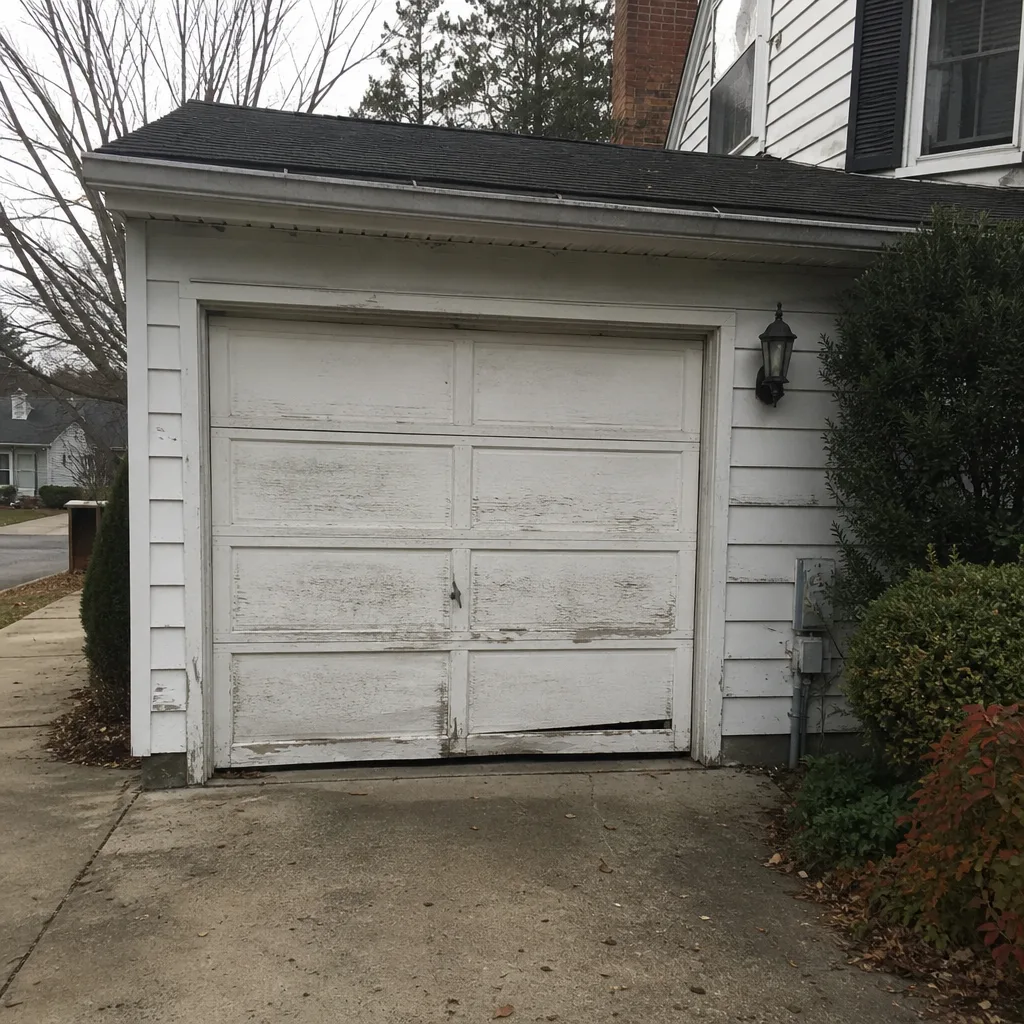 Before
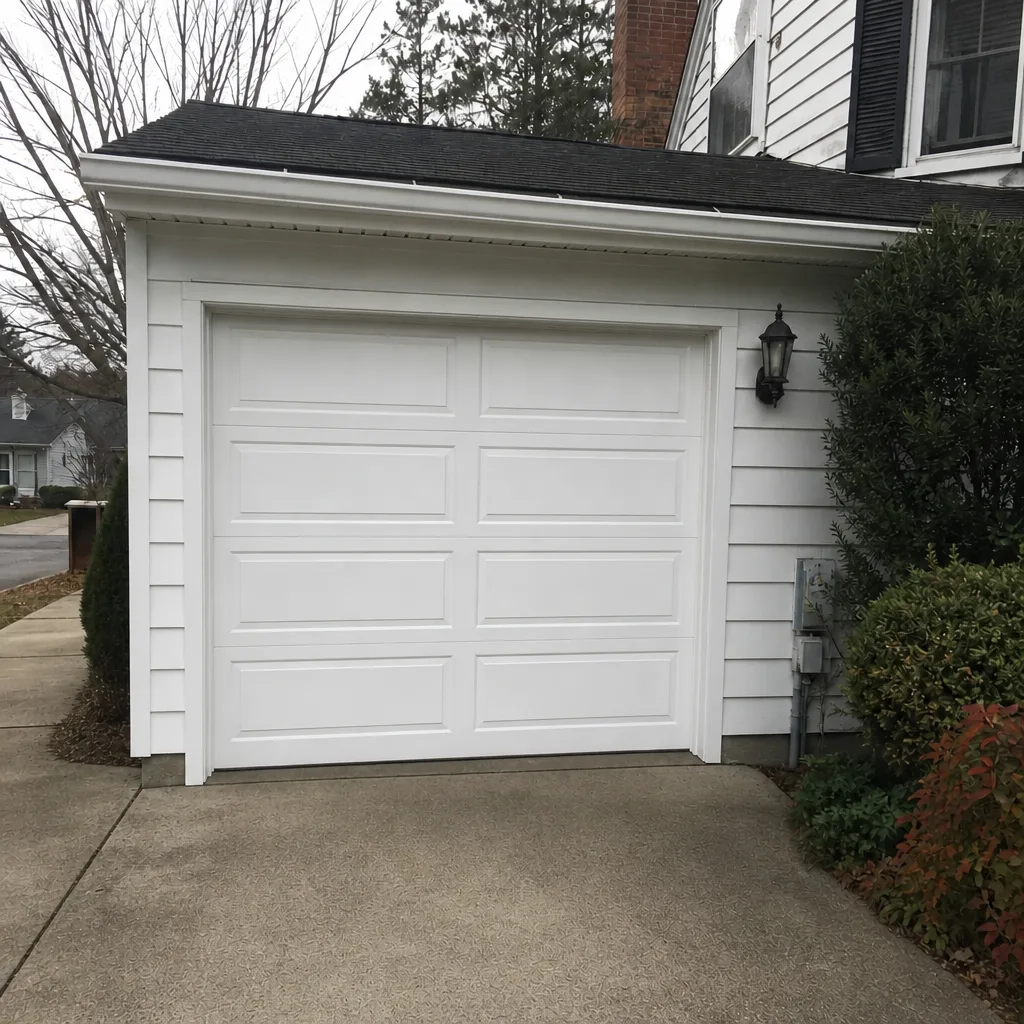 After
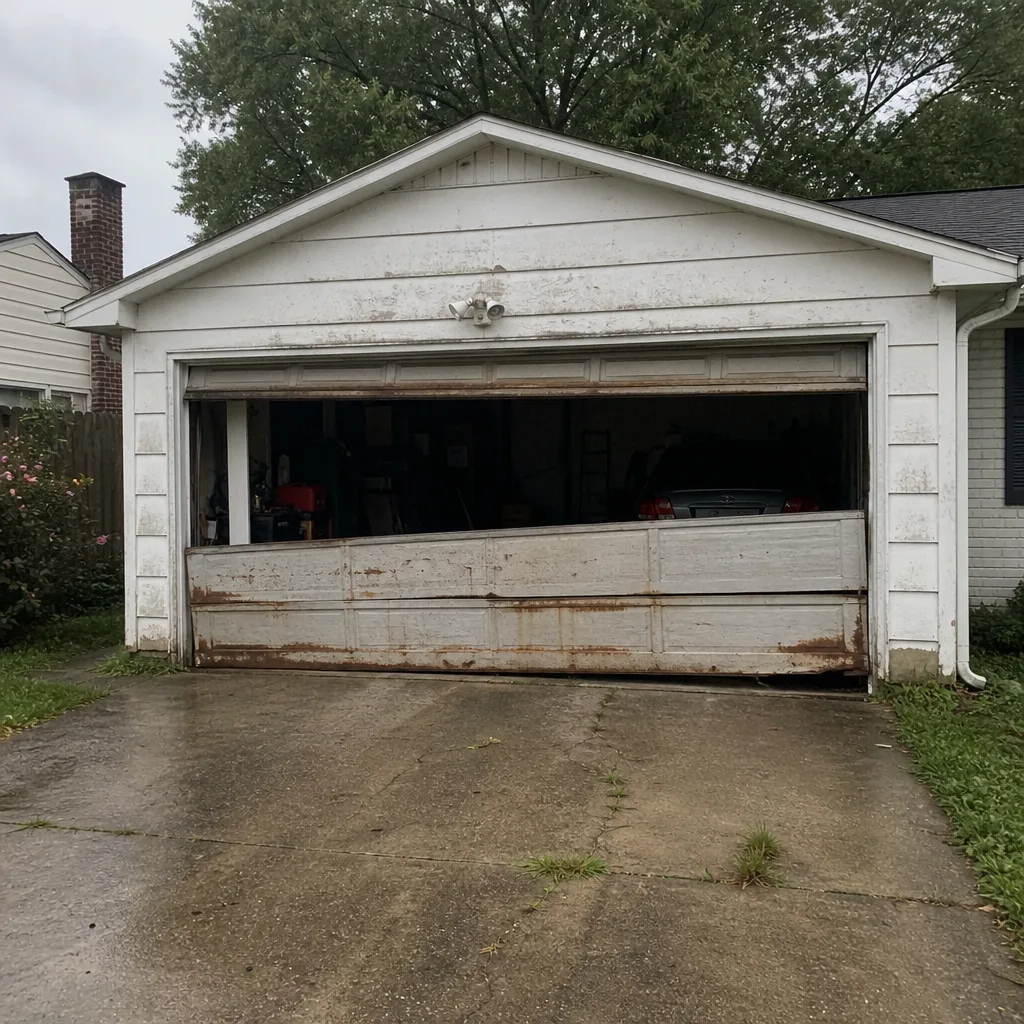 Before
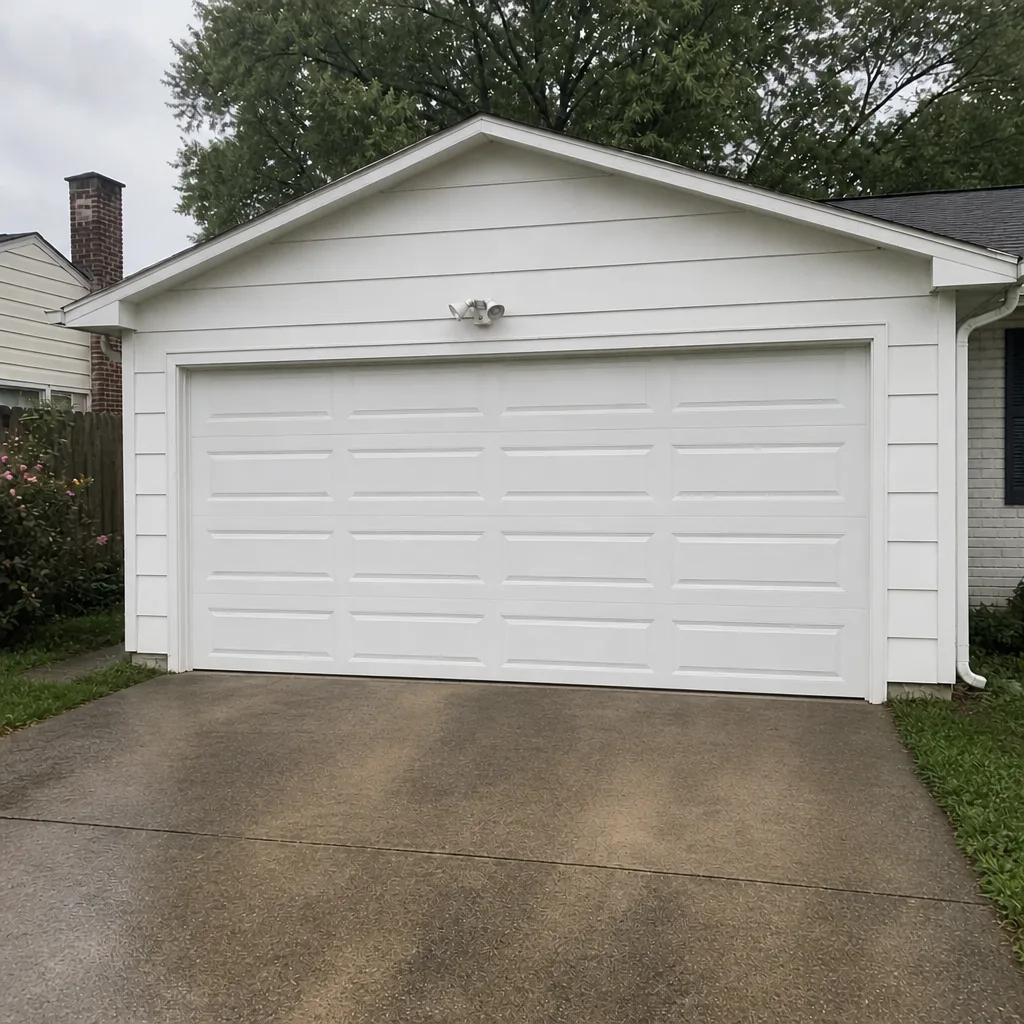 After
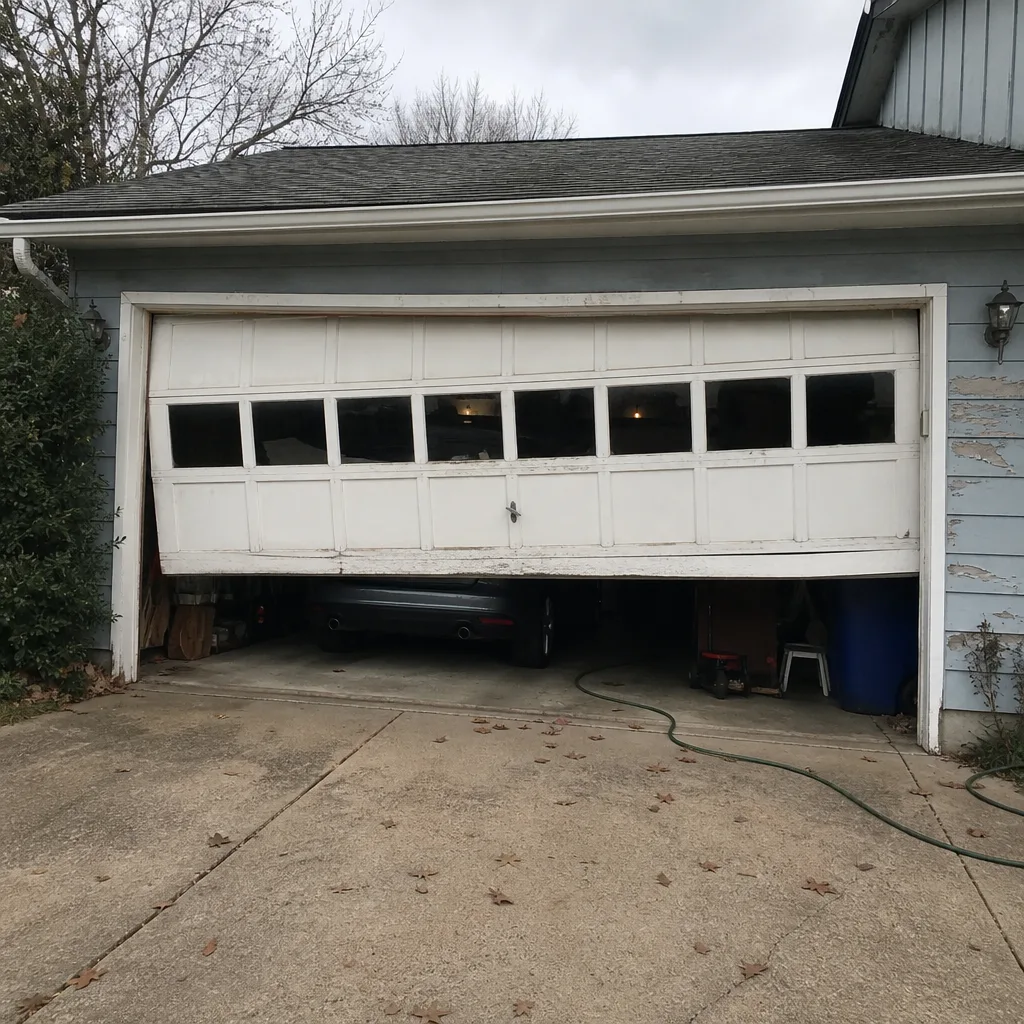 Before
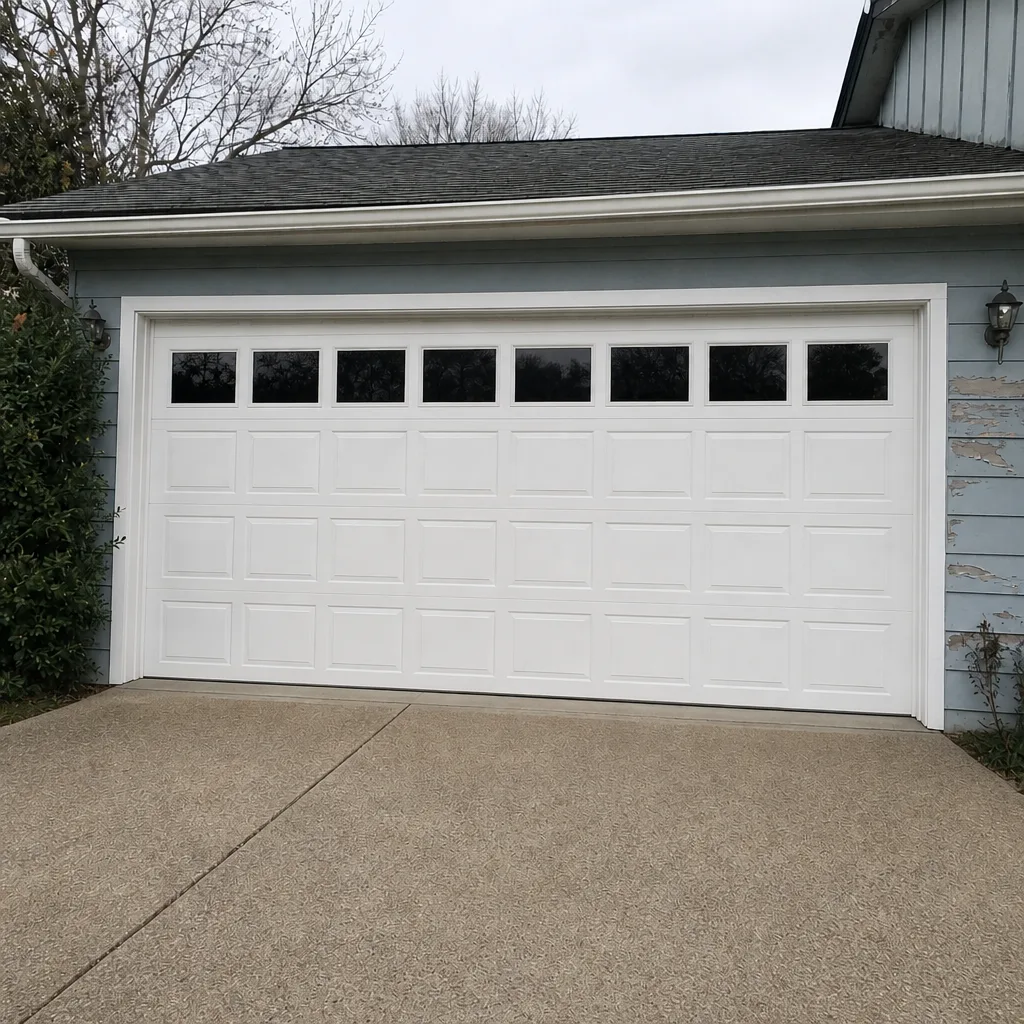 After
When to Call a Professional
Call a professional the moment the manual lift test tells you the door is heavy, binding, or won’t hold – that’s a mechanical failure, and the safe move is to stop using the door. Call if you hear a loud bang from the garage, see a broken spring coil, or find a cable that’s snapped or slack. Call if the door reverses on a clean, aligned sensor, or if the opener runs but the door doesn’t move. And call if a door is stuck open and you need it secured. Richmond Garage Door Repair Pros offers free estimates in Richmond – call (866) 353-3562. We answer 24/7. Fast dispatch from 7am to 7pm, Sunday through Friday.
Frequently Asked Questions
Your door reverses because the safety sensors or the force sensor are detecting something in the path, so check the sensor lights and clean the lenses first. If both lights are steady and the beam path is clear, the cause may be misalignment, wiring, or a door that’s binding and tripping the force sensor. That last case is a mechanical issue hiding behind an electrical symptom. Call (866) 353-3562 for an exact diagnosis – estimates are free.
Pull the manual release and lift the door by hand: if it’s extremely heavy, the spring is likely the problem, not the opener. A broken spring also often announces itself with a single loud bang, and you can usually see a gap in the coil above the door. If the door lifts easily by hand but the opener won’t run it, that points to the opener. Either way, don’t run the opener on a suspected broken spring. Call (866) 353-3562 to get it checked.
Richmond’s summer humidity swells wood-frame doors, and a panel that changes shape can bind in the tracks even though the door ran clean in spring. The tell is a bind that comes and goes with the weather and often scrapes on one side. The fix is correcting the door’s alignment and clearance, not turning up the opener’s force. Call (866) 353-3562 for an exact quote on adjustments – estimates are free.
You can safely handle a few things: cleaning dirty safety sensors, realigning them, changing a remote battery, and tightening a visibly loose bracket. Spring work, cable replacement, and anything involving the door’s stored tension should always go to a trained technician. For anything beyond the basics, call (866) 353-3562 and we’ll tell you what’s involved.
No – the written estimate we give you before any work starts is the price. We quote and agree on the number first, so you’re never surprised by the invoice. If the diagnosis reveals something different once we’re on site, we’ll walk you through it and give you a written price before touching anything. Call (866) 353-3562 for a free estimate.
Yes – a door stuck open or failing to close is a security and access problem, and we treat it with same-day urgency through our emergency service. We answer 24/7. A call outside dispatch hours is booked into the next opening, Sunday through Friday, 7am to 7pm. Call (866) 353-3562 and we’ll get you scheduled.
The local professional we connect you with is licensed and insured as their state requires, and trained on the spring and opener work this guide covers. That includes the brand-familiar work on LiftMaster, Chamberlain, Genie, and Clopay equipment. Call (866) 353-3562 to talk through your repair – estimates are free.
The Bottom Line
Troubleshooting a garage door comes down to reading the system, not chasing the symptom. The disconnect-and-lift test sorts mechanical from electrical in under a minute. The sound of the door tells you whether a spring, a roller, or an opener gear is failing. Richmond’s humid summers explain a whole category of seasonal binds that look like track damage. And a handful of repairs – springs, cables, panels under tension, opener wiring – belong to a technician every time. Get those basics right and you’ll know what’s wrong before you call, which makes the fix faster and the estimate straightforward. If you’d rather hand it to a specialist, that’s what we’re here for.
When you’re ready, Richmond Garage Door Repair Pros offers free estimates and written pricing agreed before any work starts. We work on the brand you already own, from a LiftMaster opener to a Clopay panel to full garage door installation when repair no longer makes sense. Garage doors only – no plumbing, no HVAC, just doors. For straightforward garage door repair or a free estimate in Richmond, call (866) 353-3562. We answer 24/7. Fast dispatch from 7am to 7pm, Sunday through Friday. You can also learn more about Richmond Garage Door Repair Pros and the full scope of what we handle.
Written by the team at Richmond Garage Door Repair Pros.