
Last updated November 21, 2026
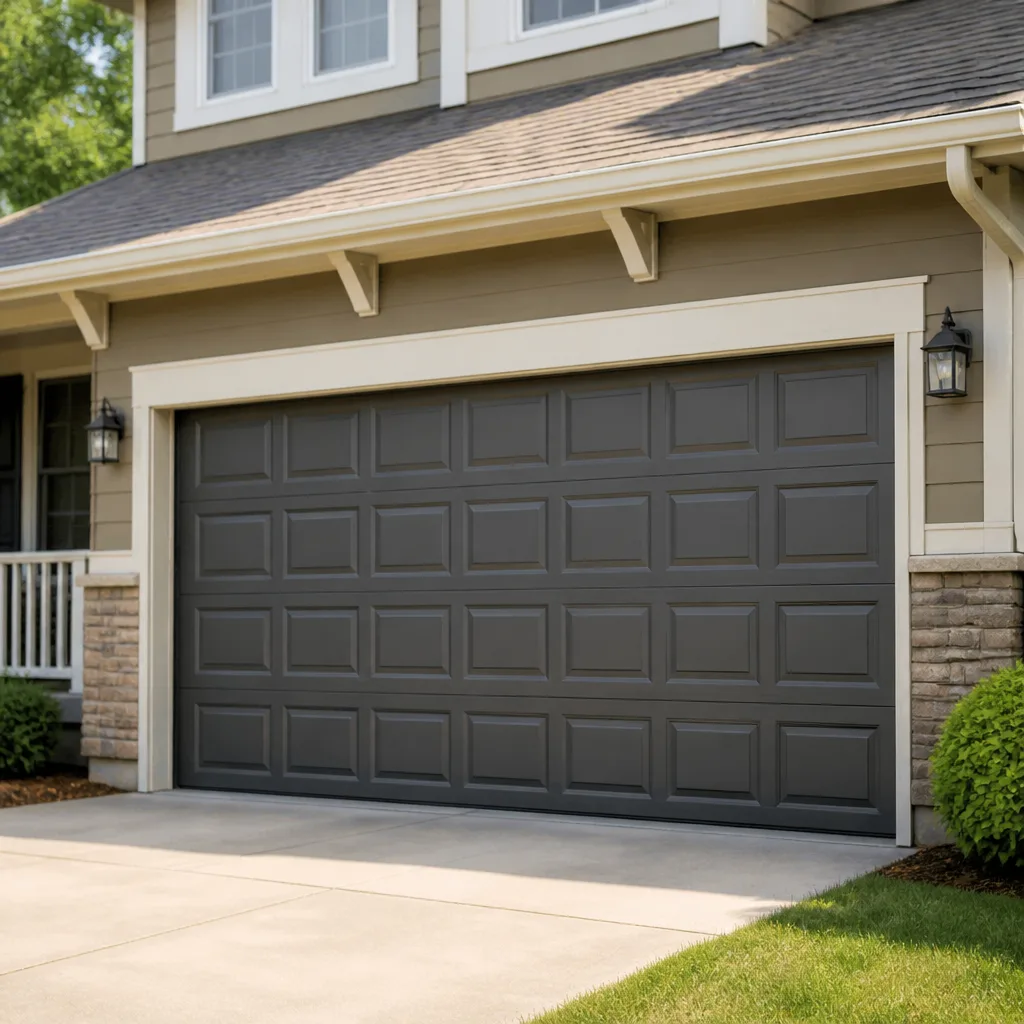 Raised-panel steel
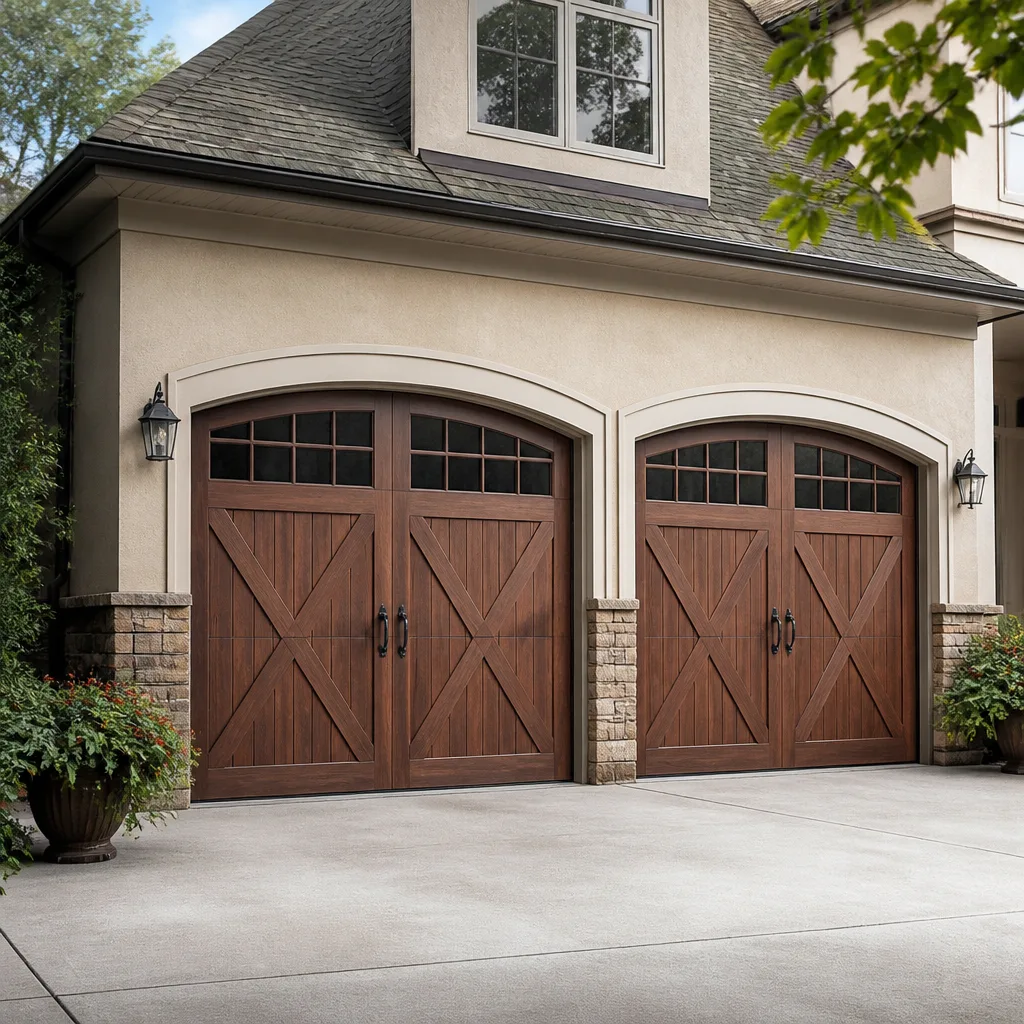 Carriage house
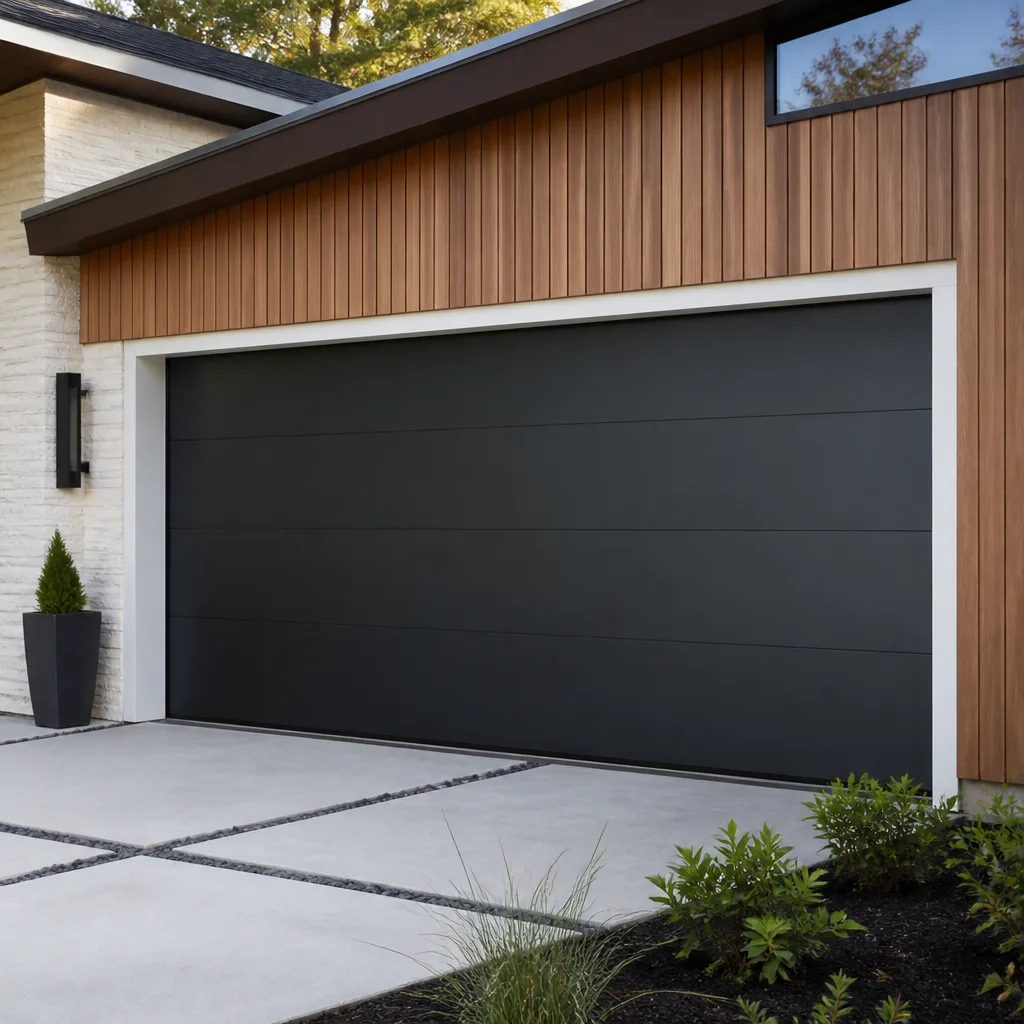 Modern flush
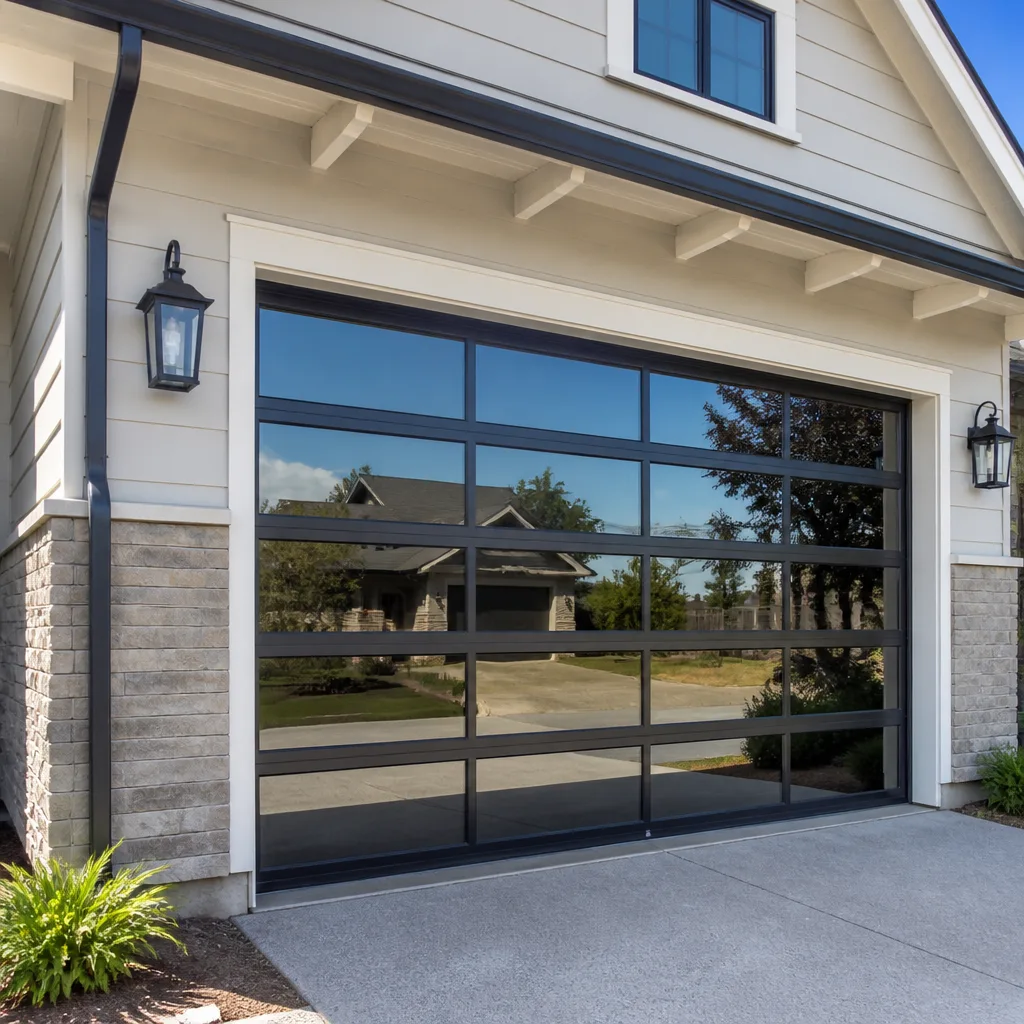 Full-view glass
 LiftMaster openers
 Chamberlain openers
Full 25-point door and opener safety check with every visit - springs, cables, rollers, tracks, and your LiftMaster or Chamberlain opener included
You get a price before we start. It does not change when the pro arrives.
Get your free estimateGarage Door Warning Signs: A Richmond Homeowner’s Reference Guide
Most homeowners treat every garage door problem the same way: notice it, ignore it, then call someone when the door finally quits. That’s the wrong instinct. Garage door warning signs aren’t all equal. A squeak and a door that reverses on its own are two completely different messages from two completely different systems, and lumping them together is how a small repair turns into a snapped spring or a door that comes down hard. What follows is a severity-based reference guide. Every sign gets a rating – stop using the door now, schedule service within a week, or monitor it – plus a clear action step. If you live in Richmond and you’ve been wondering whether that noise means anything, this guide is for you.
Quick Answer
Garage door warning signs fall into three tiers: Stop-Using-Now (reversing doors, snapped or stretched springs, frayed or hanging cables, off-track panels, and doors that won’t stay open), Schedule-Within-a-Week (grinding, popping, scraping sounds, uneven movement, and door sag), and Monitor-and-Maintain (minor squeaks, cosmetic dents, loose hinges). The first tier is a safety emergency – a spring under tension can fail violently and a door that can’t detect an obstruction will close on whatever is beneath it. The other two tiers are repairable before they cascade. When in doubt, stop using the door and get eyes on it.
Styles & brands we work with
- Raised-panel steel
- Carriage house
- Modern flush
- Full-view glass
- LiftMaster openers
- Chamberlain openers
Table of Contents
- Why Tiered Severity Matters
- Sound-Based Diagnostics: What Each Noise Tells You
- Warning Signs by Component
- Visual Signs That Are Easy to Misread
- How Richmond’s Climate Creates Locally Common Warning Signs
- The Action Protocol: What to Do When You Spot a Sign
- The Seasonal Audit: Catching Signs Before They Worsen
- Common Mistakes to Avoid
- When to Call a Professional
Why Tiered Severity Matters
A garage door is a 300-pound moving part. That single fact is the reason warning signs get ranked instead of listed. The same symptom on a lightweight interior door would be a nuisance. On a garage door it can be a structural failure waiting for the next cycle. When you sort signs by severity instead of by category, you stop treating a cosmetic scuff and a frayed lift cable as the same problem.
Here’s the practical breakdown of the three tiers:
- Stop-Using-Now: Any sign that involves a component under tension (springs, cables), any failure of the door’s safety reversal, any panel off its track, or a door that drifts down on its own. These are the signs where continuing to cycle the door adds risk rather than just wear. Springs and cables are the parts a trained technician handles – not a homeowner with a ladder.
- Schedule-Within-a-Week: Grinding, popping, uneven travel, scraping, a door that shudders mid-cycle. These usually mean a component is degrading fast but hasn’t failed. Most homeowners in Richmond can still use the door sparingly for a few days while an appointment is set, though if it worsens, treat it as tier one.
- Monitor-and-Maintain: Squeaks that respond to lubrication, cosmetic surface dents, loose hinges you can tighten, a door that’s simply a little louder in cold weather. These are maintenance items, not emergencies.
The trap is assuming every sign belongs to the middle tier. It rarely does. The signs that get homeowners into real trouble are the ones that seem minor at first glance and quietly escalate – a cable that’s begun to fray, a door that’s begun to sag. In our experience, a quick call to a specialist to look at the door settles the question fast. And when the door is stuck, broken, or in the stop-using-now zone, that is an urgent repair, not a convenience. That’s where Richmond Garage Door Repair Pros comes in.
Sound-Based Diagnostics: What Each Noise Tells You
Garage doors talk. The noise your door makes is the cheapest diagnostic tool you have, and most homeowners hear it every day without listening. The key is separating normal operating sound (a low, even hum with a soft roll) from the sounds that map to a specific failing component.
- Grinding: Usually a roller, a hinge, or a torsion mechanism running dry or misaligned. If it grinds on the way down and gets louder at the bottom, suspect a roller that’s seized or a track section out of line. Grinding on every cycle that worsens over days is a schedule-within-a-week sign. Grinding paired with the door stopping mid-travel is closer to stop-using-now.
- Popping: A sharp pop on each cycle, especially near the center of the door or at the spring, often points to a torsion spring or a spring winding that’s slipping. Treat any popping under tension as stop-using-now. Springs are the highest-risk repair in a garage door system and the one part you should never attempt yourself.
- Scraping: A metal-on-metal scrape usually means a panel edge rubbing a track or the door drifting out of square. Cosmetic surface scraps sound different; a scrape that repeats in the same spot is mechanical and should be looked at this week.
- Squealing: The most forgiving of the four. Typically a dry roller or hinge, addressed with proper lubrication. If squealing persists after lubrication, the roller may be worn and needs replacing – a maintain-and-monitor item that becomes schedule-within-a-week if it spreads to multiple rollers.
- Banging or shuddering: The opener pulling against an unbalanced door, or a torsion system out of adjustment. Worth a call before it wears out the opener.
Write down which sound happens on the way up, on the way down, and where on the door. That specificity means a technician can bring the right parts the first time. Our technicians have up to 14 years of experience diagnosing exactly these patterns, and we work on the brand you already own – LiftMaster, Chamberlain, Genie, Raynor included – so we aren’t guessing.
Warning Signs by Component
One of the biggest mistakes in garage door maintenance is treating every symptom as if it belongs to the same system. Openers, springs, cables, and tracks fail in different ways, and each one deserves its own set of signs. When you know which system a symptom belongs to, you can decide whether it’s a call today or a call this week.
Opener Warning Signs
- The door reverses unexpectedly or stops before it reaches the floor.
- The opener strains audibly – a hum that sounds like the motor is working harder than the task requires.
- The wall button or remote needs a second or third press.
- The safety reverse doesn’t trigger when an object is placed in the door’s path. That is a force-and-limit sensor failure and a stop-using-now condition.
- Smart-home or Wi-Fi openers from Chamberlain, LiftMaster, Genie, or Craftsman drop their connection – not a safety issue, but it signals a board or sensor issue worth scheduling.
Spring Warning Signs
- A loud bang from the garage (often described as a gunshot, heard from inside the house – typical of a torsion spring failing).
- A gap in the spring coil, a visibly broken spring, or a spring with a stretched, uneven section.
- The door feels very heavy when you lift it by hand (only test on a door with the opener disconnected and the door fully closed – and if it feels heavy, do not lift further).
- The door opens unevenly or drifts down after opening.
Springs are the single most dangerous part of any garage door. A torsion spring can hold hundreds of pounds of tension, and a failed one can release that energy in an instant. This is a stop-using-now category without exception. Spring repair is technical, high-risk work, and it belongs with trained technicians.
Cable Warning Signs
- A visible fray – one broken strand is the early warning that the whole cable is about to let go.
- A cable hanging loose or off the drum.
- A cable that has jumped off its roller or pulley.
- A door that hangs crooked on one side.
Cables run alongside springs, and when one fails the door can drop without warning. Stop and call.
Track Warning Signs
- The door binds at the same spot on every cycle.
- A track with a visible bend, kink, or gap from the roller.
- The door pulls away from the track on one side.
- The door looks crooked when closed – one corner meets the floor before the other.
Track misalignment can look minor. It’s usually a schedule-within-a-week sign unless the door is binding hard, in which case treat it as stop-using-now.
Visual Signs That Are Easy to Misread
Plenty of garage door warning signs are visible, but easy to dismiss. The ones that look cosmetic often signal structural or mechanical trouble underneath, and the ones that look alarming are sometimes harmless. Learning which is which is the difference between a cheap repair and an expensive one.
- A dent that looks cosmetic: Surface dents on the outer skin are truly cosmetic on a steel door. But a dent that has deformed a panel’s structural rib, or that rotates the hinge line, is a mechanical problem – it throws off the door’s balance and stresses the hinges and rollers. Always check the hinge line after any impact.
- A door that sags slightly at one corner: Often misread as an installation quirk. A slight sag means the torsion system is out of balance or a cable is loosening. This is a schedule-within-a-week sign.
- A gap between the door and the floor: Looks like a seal problem, but a large, uneven gap often means the door is distorted or one side has dropped – an early off-track or cable warning.
- Paint flaking along the bottom edge: Usually moisture-related, not mechanical. Worth mentioning but not urgent.
- Rust at hinges and rollers: Cosmetic at the surface, but rust underneath the door’s metal at the hinge points means those fasteners are losing grip. A schedule-or-monitor sign depending on wear.
- A door that “shudders” when moving: Easy to attribute to the door “settling.” Shudder on every cycle usually means a roller, hinge, or track issue and needs a look.
If you’re unsure which bucket a sign falls into, err on the side of getting it seen. A home visit costs you nothing but the estimate, and it usually settles the anxiety fast. Richmond Garage Door Repair Pros offers free estimates on any garage door warning sign you spot.
How Richmond’s Climate Creates Locally Common Warning Signs
Richmond sits in a part of central Virginia where summers are hot and humid and winters swing from mild to genuinely cold, often within a few days. That pattern does specific things to a garage door system, and it produces warning signs that show up here more than in more stable climates.
- Wooden or insulated panels swell and warp: Summer humidity works its way into the door, and wood-framed or insulated panels expand. A door that fit perfectly in April can scrape its track by July. Listen for a new scrape starting at the top corners as the season shifts.
- Metal expands and contracts: An aluminum or steel door in a Richmond garage can feel noticeably lighter and smoother in winter mornings and tighter by a hot afternoon. A door that binds slightly in summer and moves fine in winter isn’t necessarily broken, but it is telling you the track and roller clearances are tight.
- Hardware loosens faster: Temperature swings expand and contract the fasteners on hinges, brackets, and track mounts. A door that’s “suddenly” rattling is usually telling you a hinge plate has worked loose.
- Cold-morning symptoms: If your door is noisy and slow only on the coldest mornings and fine by afternoon, the issue is often lubrication and roller condition – a monitor-and-maintain sign with a spring check.
- Rust at the bottom third: Richmond’s humidity and occasional wet garage floor work on the lower panels and the bottom roller brackets specifically. That’s where to check first.
None of these mean the door is failing. They mean the door is responding to real local conditions, and a periodic look will catch them before they compound into a mechanical failure. That’s the same logic a technician brings to a service call in Richmond – they’ve seen the local pattern enough times to know which symptoms matter.
The Action Protocol: What to Do When You Spot a Sign
Once you’ve heard or seen a sign, you need a decision tree, not a spiral of worry. Here’s the protocol we walk homeowners through when they call about a Richmond garage door.
- Identify which component the sign belongs to. Opener, spring, cable, or track. That single question moves you two-thirds of the way to the right severity tier.
- Assign the tier. Stop-using-now, schedule-within-a-week, monitor-and-maintain. If you’re torn between two, pick the more serious one.
- Act on the tier. Stop-using-now means leave the door in its current position, keep cars off it, and call a specialist immediately. Schedule-within-a-week means set an appointment and use the door as little as possible. Monitor-and-maintain means write the symptom down, check again in a week, and address it at your next service.
- Disconnect the opener safely if the door is stuck open or partway. Most openers have a manual release pull cord. Pull it with the door at rest, never while the door is moving. This gets the opener out of the loop while the problem is assessed.
- Call. Describe the tier, the sound, and the component. That description lets the technician arrive with the right tools and parts, and it’s what lets them tell you whether the job is a same-visit repair or a scheduled appointment.
If the door is stuck open, in a stop-using-now state, or has already failed, that is exactly the situation our emergency garage door service exists for. Call (866) 353-3562. We answer 24/7. Fast dispatch from 7am to 7pm, Sunday through Friday.
The Seasonal Audit: Catching Signs Before They Worsen
A large share of the warning signs we discuss in this guide can be caught before they become repairs with one short, careful walk-around. This is the audit. It’s not a substitute for a technician, and it doesn’t involve touching springs or cables.
- Walk the full length of the door from the outside, looking for dents, sag, or panels out of alignment. Check the hinge line specifically.
- Watch the door go up and down once from above the safety sensor line. Look for uneven travel, shudder, or binding at one point.
- Listen carefully to the cycle and assign the sound using the sound-diagnostics section above.
- Test the safety reverse by placing a firm object in the door’s path while it closes. If it doesn’t reverse, stop and call.
- Look at the springs and cables with a quick visual only – gaps, fray, or hanging components. Do not touch them.
- Check the hinges and brackets for loosening or rattling. Tighten only what you can reach safely with the opener disconnected.
Do this once at the start of the heating season and once at the start of cooling season. It takes about ten minutes and it catches the tier-two and tier-three signs while they’re still cheap to fix – the exact signs a Richmond homeowner can miss when the door gets used five or six times a day.
Common Mistakes to Avoid
- Treating a broken spring as a “wait and see.” A broken torsion spring is a stop-using-now condition, not a nuisance. Continuing to use the door stresses the opener and one working spring past their limits.
- Ignoring a door that reverses unpredictably. That’s a safety sensor failure, and it means the door cannot reliably detect an obstruction underneath. It’s a call now, not next week.
- Spraying lubricant into the spring coil. Lubrication belongs on moving metal parts, not the tension parts. A remote-lubrication attempt on a spring assembly can loosen the winding and create real risk.
- Assuming Richmond’s humidity is “just cosmetic” on a wooden or insulated door. Swelling panels bind tracks. What looks like seasonal noise is often a mechanical misalignment tracking toward a bigger repair.
- Telling the company “it’s making a noise” without specifics. The on-the-way-up-or-down detail, plus the location, saves the technician a diagnostic step and often saves you a return visit.
- Skipping the safety-reverse test. Most Richmond homeowners never test their garage door’s reversal function. It takes ten seconds and it catches the single most serious warning sign in the trade.
- Calling a general handyman for a spring or cable failure. Spring repair is the highest-risk repair on a garage door – it belongs with trained specialists who do it every day, not an all-trades visit.
When to Call a Professional
Call a specialist if the door is in any stop-using-now state, including a broken spring, frayed or hanging cable, off-track panel, or unexpected reversal. Call if a grinding or popping sound has persisted for more than a couple of days, if the door is sagging at one corner, or if the safety reverse has failed even once. Call if a Richmond door is simply past your diagnostic ability – sometimes the honest answer is that a trained eye will resolve in ten minutes what would take you an afternoon of reading.
Richmond Garage Door Repair Pros offers free estimates in Richmond – call (866) 353-3562. We answer 24/7. Fast dispatch from 7am to 7pm. We handle garage door repair across every brand we work on, including LiftMaster and Chamberlain openers. The price is always quoted and agreed before any work starts, and the written estimate sets the final price.
See the difference
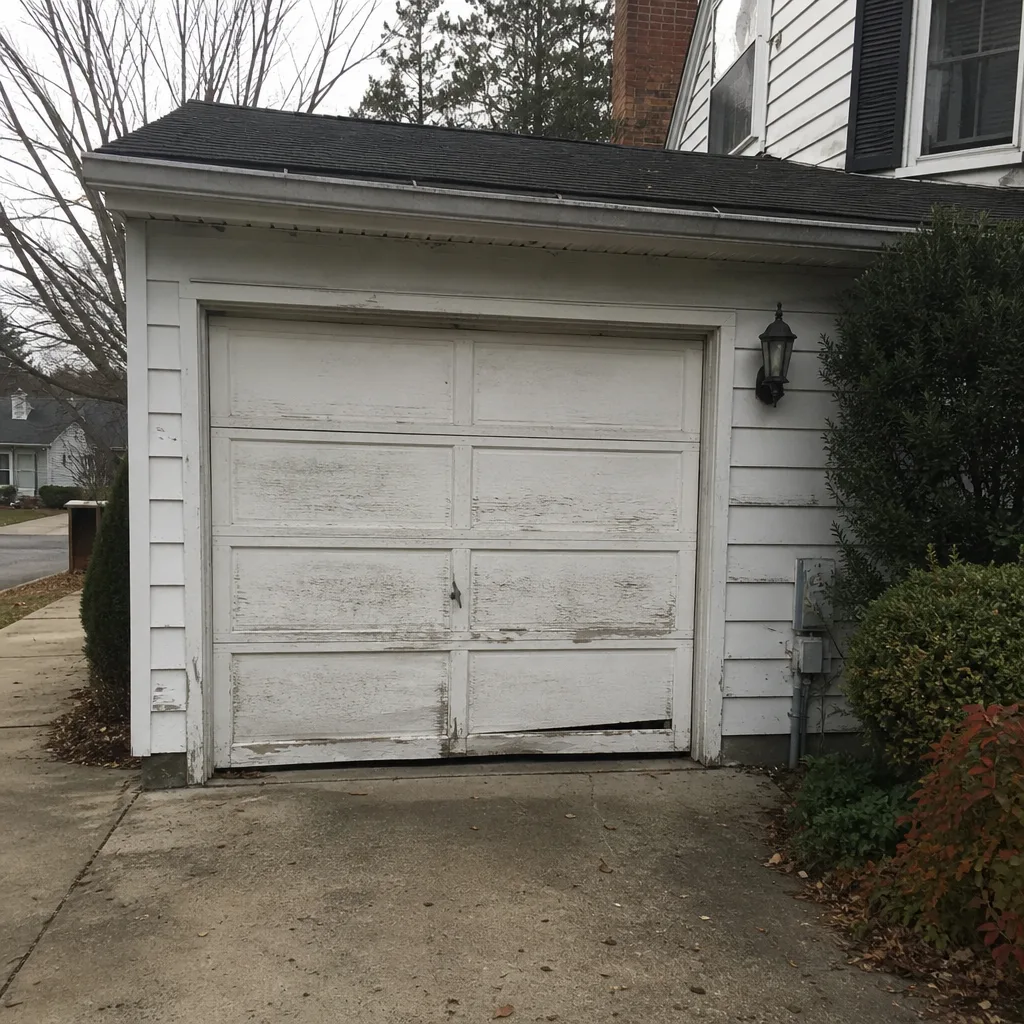 Before
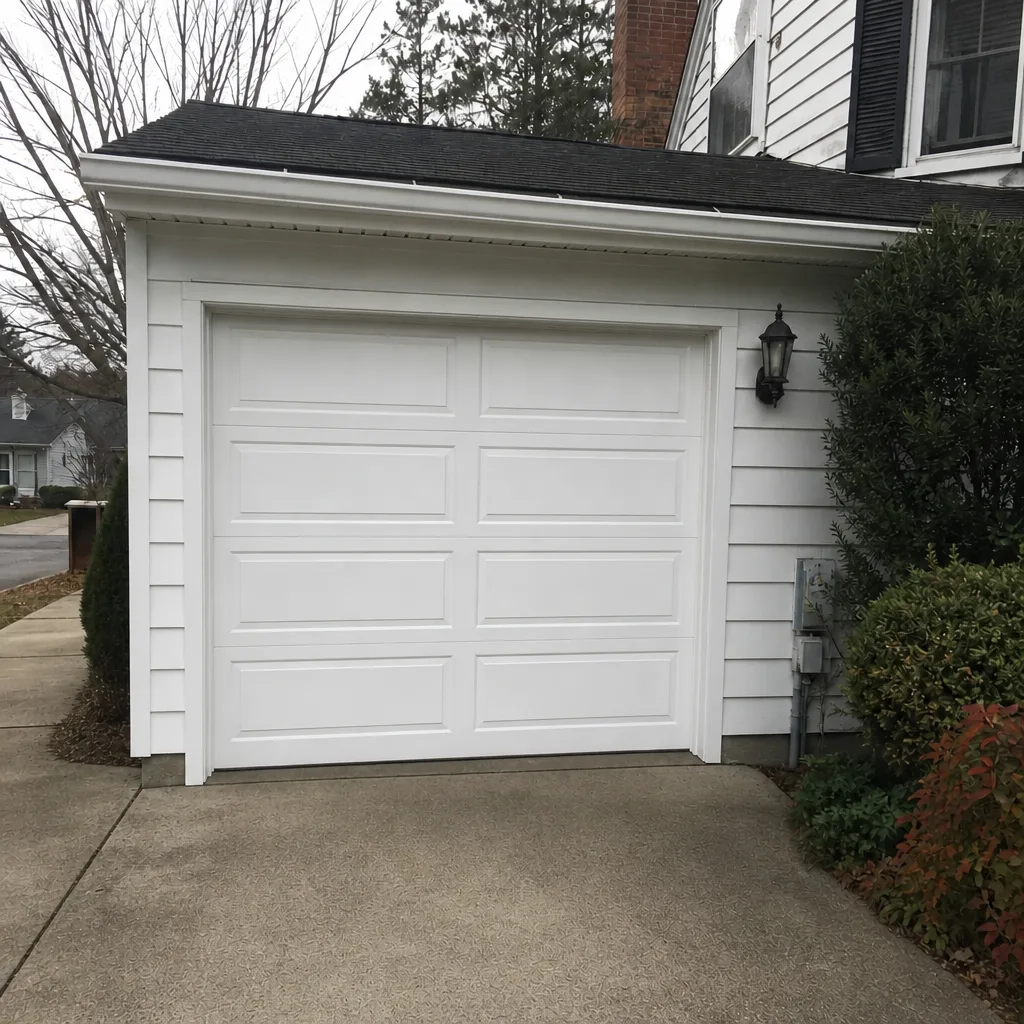 After
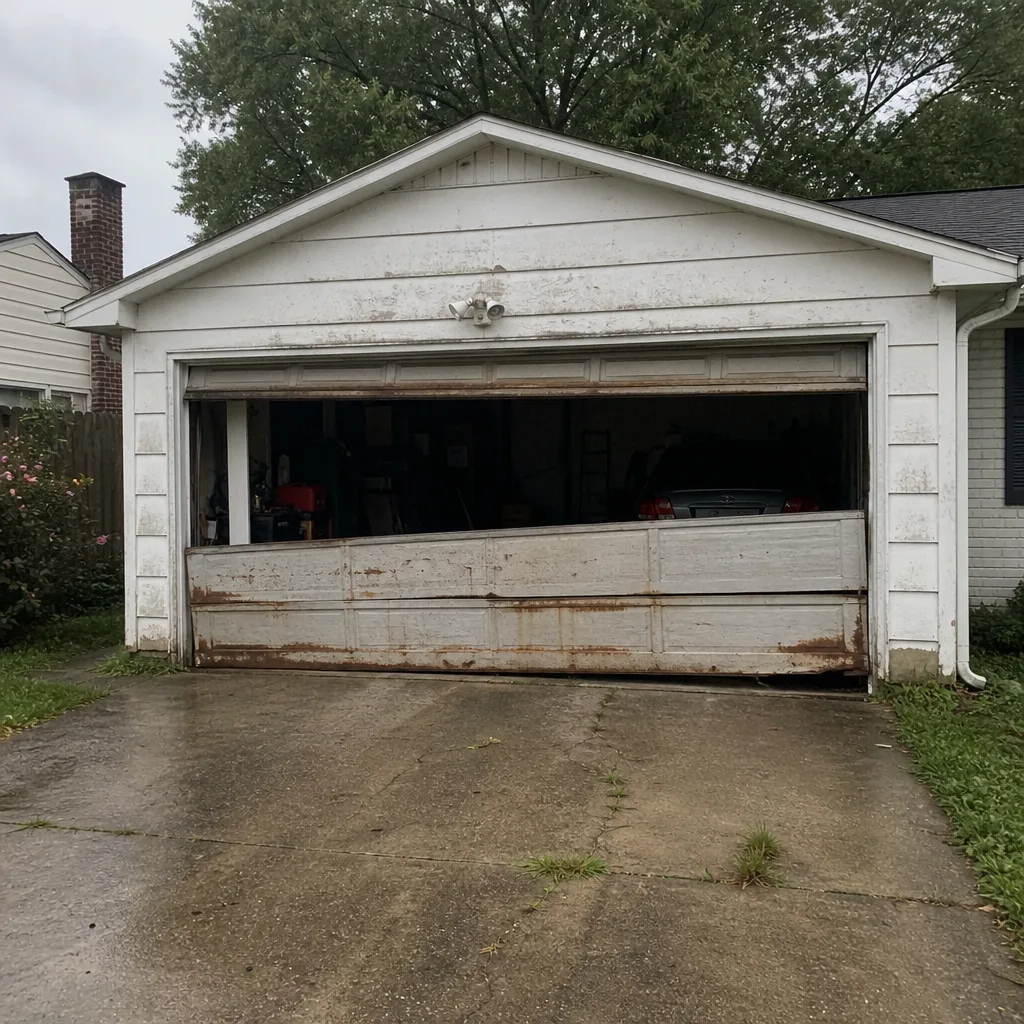 Before
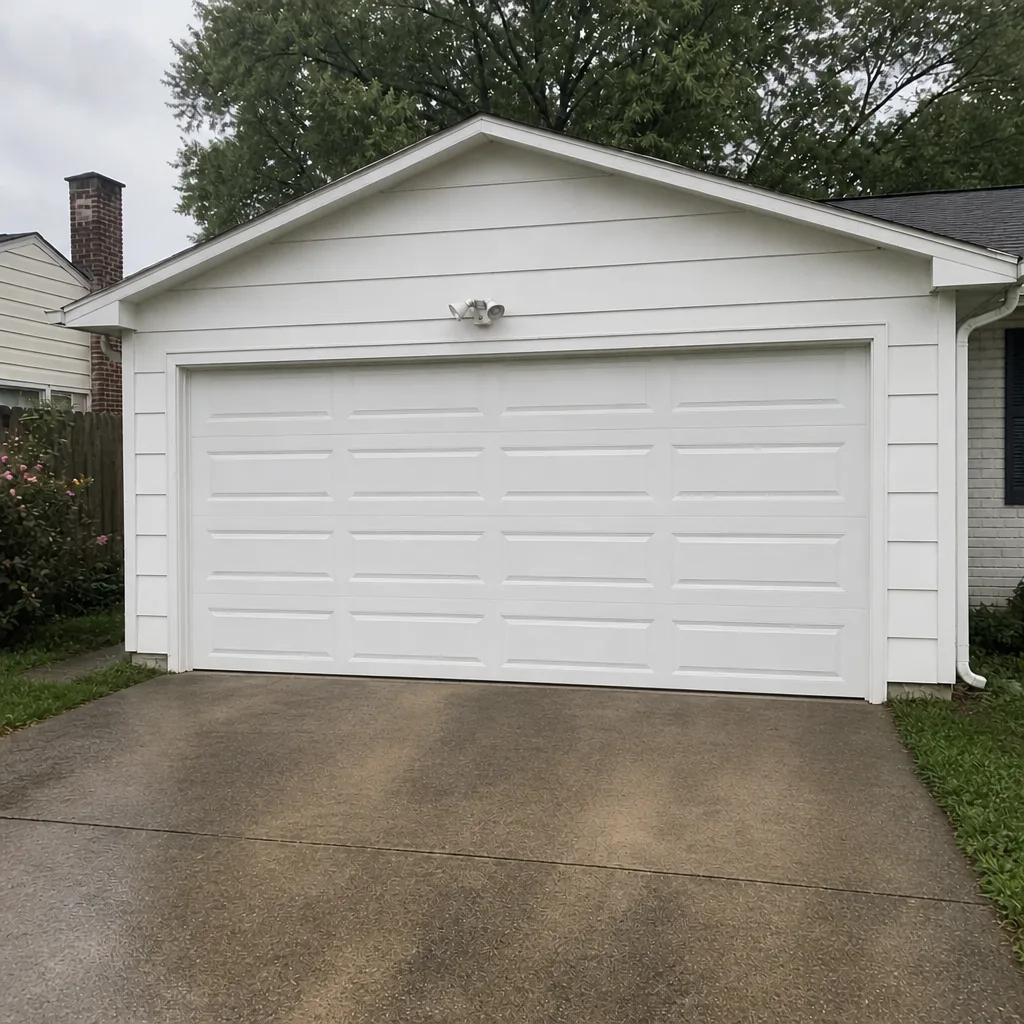 After
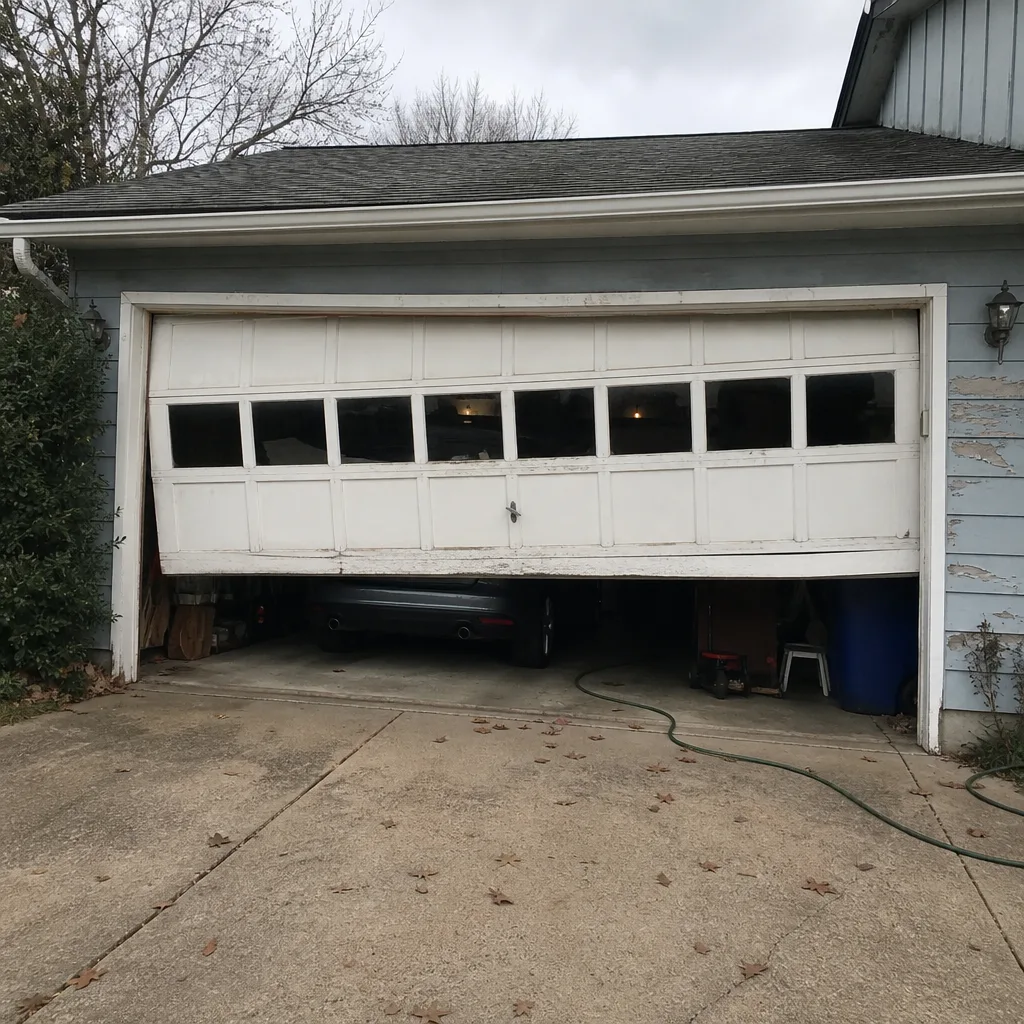 Before
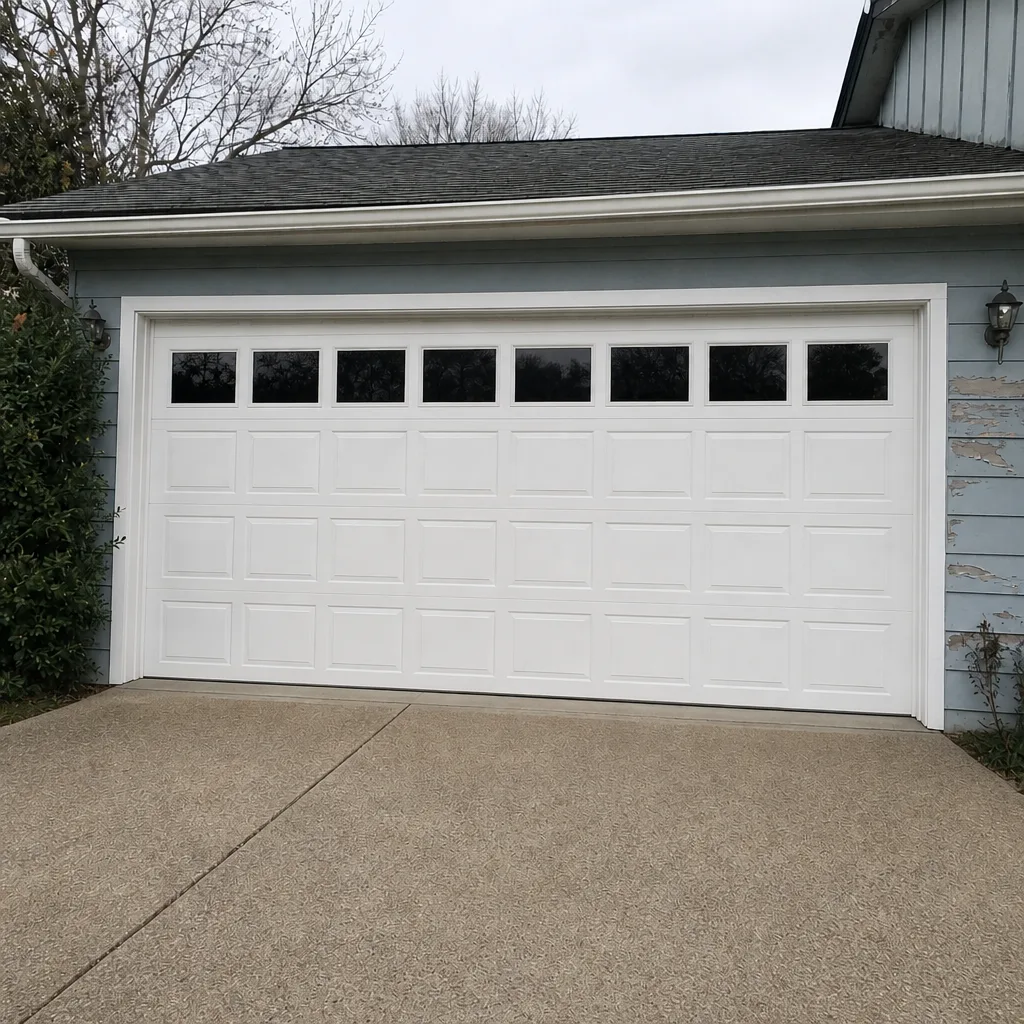 After
Frequently Asked Questions
An unexpected reversal is the most serious early sign. It means the force-and-limit sensor isn’t reliably detecting an obstruction, so a door that reverses on its own should be treated as stop-using-now. Call (866) 353-3562 and don’t cycle the door again until it’s been looked at.
No. A broken torsion or extension spring is a stop-using-now condition and should not be deferred. The door is running on the remaining spring and the opener, both of which can be damaged quickly. Call (866) 353-3562 for emergency spring repair – estimates are free and the price is quoted before work starts.
Usually a few days to a couple of weeks, depending on the sign and how often you use the door. A grinding roller can go weeks; a fraying cable shouldn’t. If a schedule-within-a-week sign is worsening daily, treat it as stop-using-now and call (866) 353-3562.
Temperature and humidity swings in Richmond expand and contract the door panels, tighten and loosen the track clearances, and dry or swell the moving parts. A door that’s noisy in summer mornings and quiet by afternoon is usually telling you the rollers and lubrication need attention – a monitor-and-maintain sign. Call (866) 353-3562 if the noise changes category.
Usually yes. We work on the brand you already own – LiftMaster, Chamberlain, Genie, Raynor included – and our technicians have up to 14 years of experience with the smart-home compatible openers. Call (866) 353-3562 with the brand and model for an exact quote.
Yes for emergency repairs. We answer 24/7 with fast dispatch from 7am to 7pm, Sunday through Friday. For non-urgent warning signs, we’ll often be there the same dispatch window or the next opening – the call tells you exactly what to expect. Call (866) 353-3562 and the estimate is free.
The Bottom Line
Garage door warning signs are graded, not generalized. Some – broken springs, frayed cables, off-track panels, unexpected reversal – mean stop using the door today. Others – grinding, popping, sagging – mean schedule a repair within the week. The rest are the routine check-and-maintain items that keep a Richmond door working quietly through summer humidity and winter swings. Sort every sign you spot into one of those three tiers and you’ll act before a small repair becomes a big one. For any sign in a stop-using-now state, call us. That’s what a specialist is for. We work on the brand you already own – LiftMaster, Chamberlain, Genie, Raynor among them – and we do garage doors only. No plumbing, no HVAC, just doors.
Call (866) 353-3562 for a free estimate.
Written by the team at Richmond Garage Door Repair Pros.