
Last updated November 21, 2026
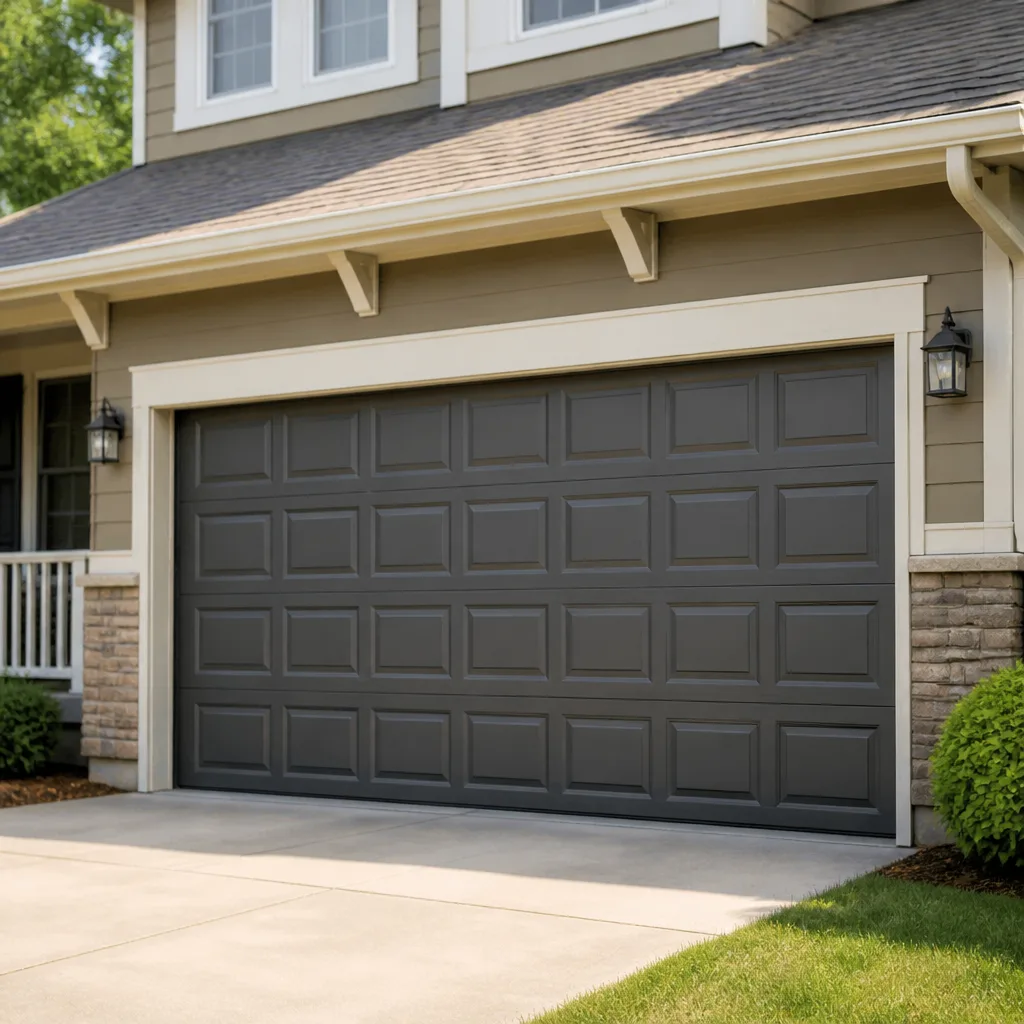 Raised-panel steel
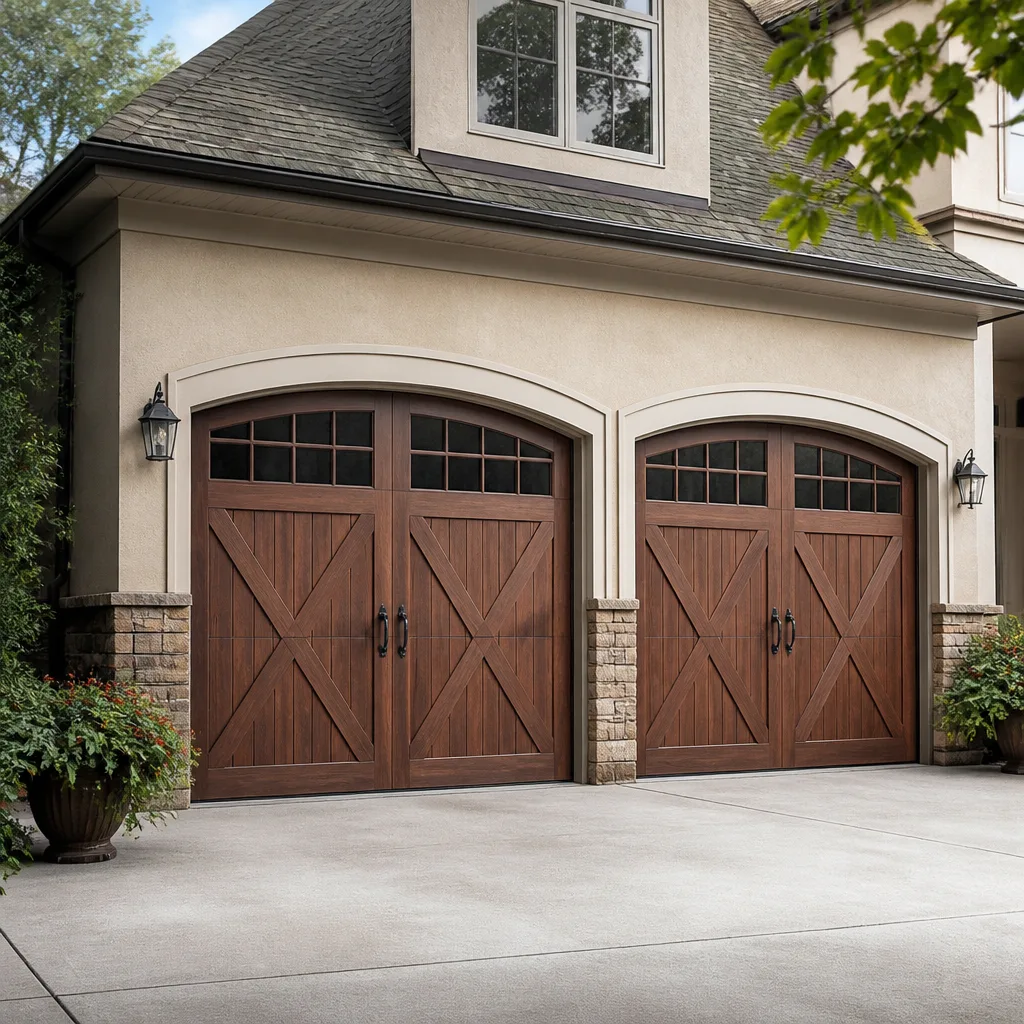 Carriage house
 Modern flush
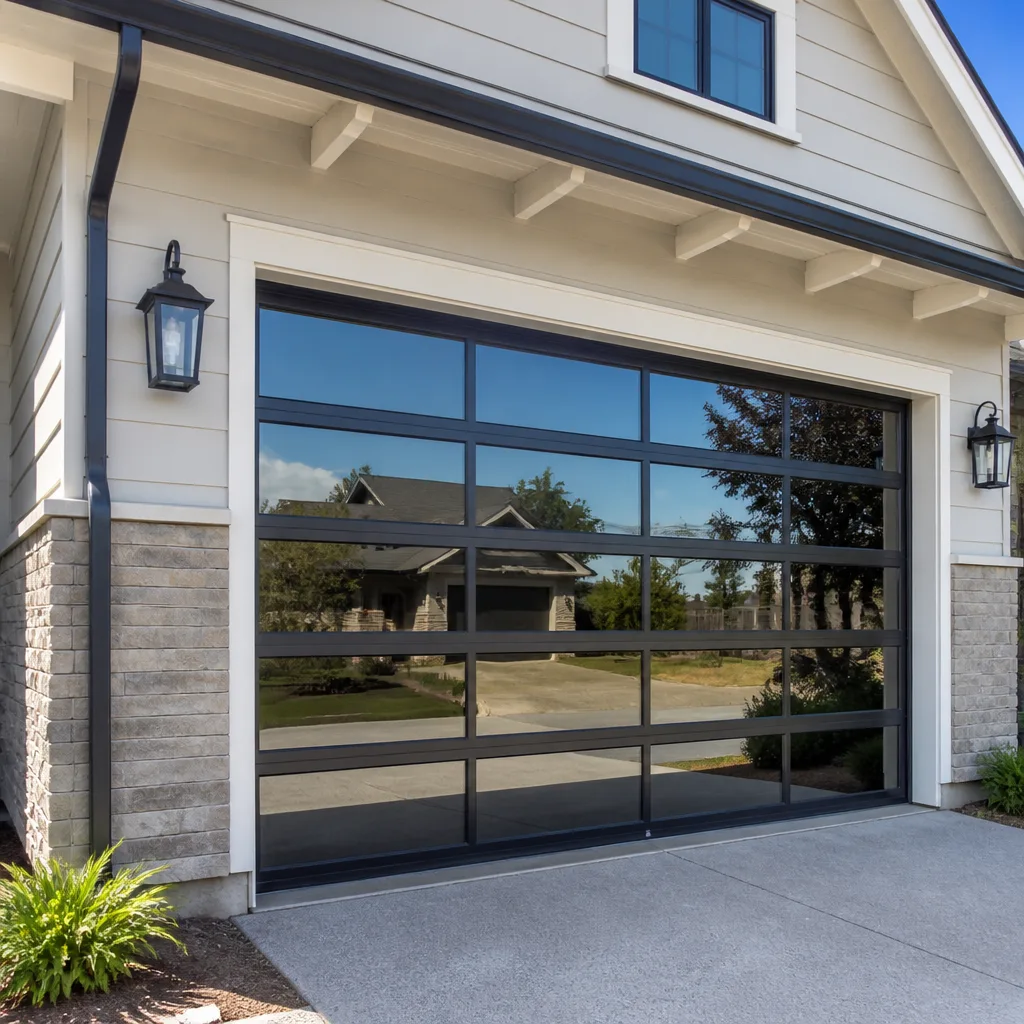 Full-view glass
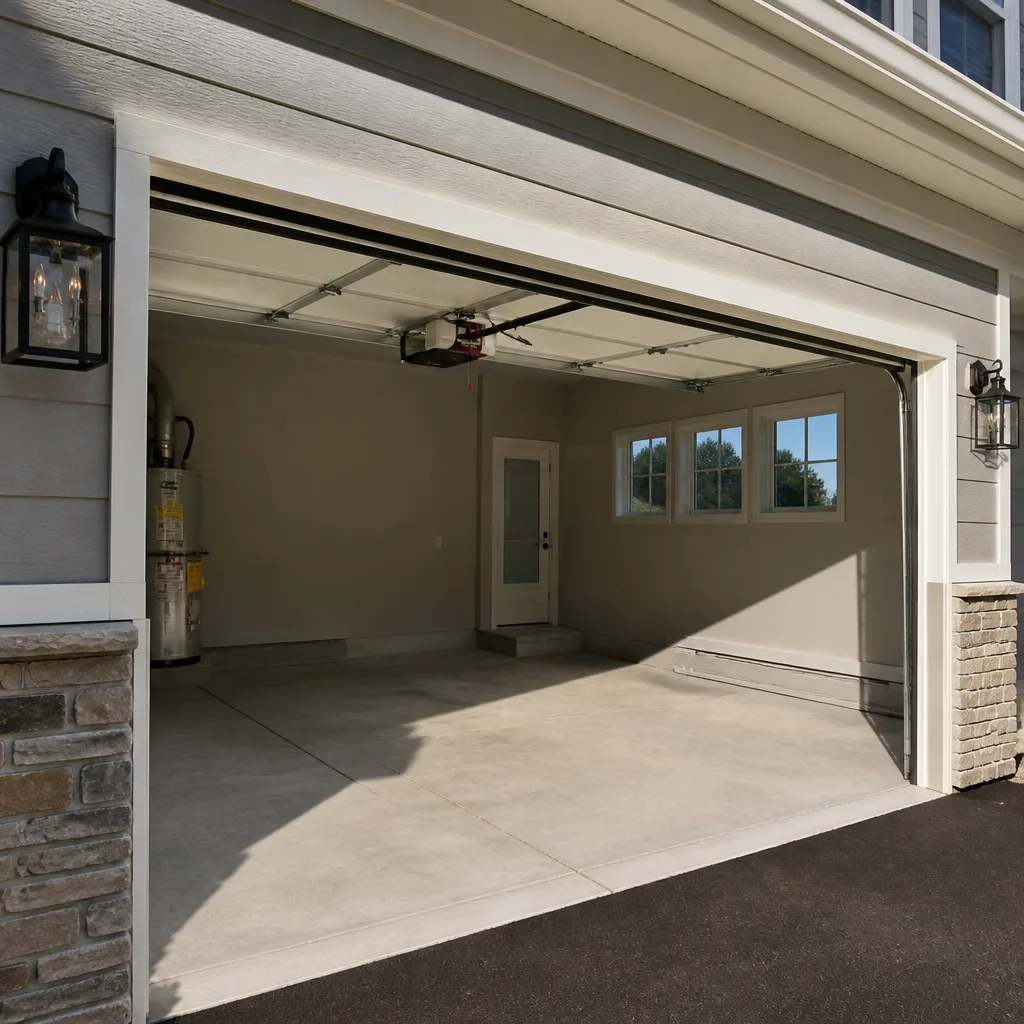 LiftMaster openers
 Chamberlain openers
Full 25-point door and opener safety check with every visit - springs, cables, rollers, tracks, and your LiftMaster or Chamberlain opener included
You get a price before we start. It does not change when the pro arrives.
Get your free estimateGarage Door Permits, Codes & Inspections in Richmond, VA: What You Need to Know
Most homeowners assume a garage door is a fixture, not construction. That assumption is where trouble starts. A replacement done without a required permit doesn’t just risk a fine from the city. It can surface on a home inspection report as an unpermitted alteration, and that line item has a way of complicating a sale, an appraisal, or an insurance claim years after the installer’s truck pulled away. Richmond sits at the corner of four different building departments, and each one draws its permit lines a little differently. This guide maps those lines for Richmond City, Henrico, Chesterfield, and Hanover, explains what inspectors actually check, and walks through how to fix unpermitted work the right way.
Quick Answer
In most Richmond-area jurisdictions, replacing a garage door or altering the framing and hardware around it requires a building permit, while straightforward repairs that swap like-for-like parts usually do not. The exact trigger depends on which jurisdiction you live in: Richmond City, Henrico County, Chesterfield County, or Hanover County each issues permits through its own building department. When in doubt, call your city or county building department before work starts, because the permit obligation falls on the property owner, not the installer.
Styles & brands we work with
- Raised-panel steel
- Carriage house
- Modern flush
- Full-view glass
- LiftMaster openers
- Chamberlain openers
Table of Contents
- What Triggers a Garage Door Permit in Richmond?
- Richmond City vs. Henrico vs. Chesterfield vs. Hanover: How the Rules Differ
- The Virginia Uniform Statewide Building Code and Your Garage Door
- Wind Load Requirements in Central Virginia
- What Inspectors Actually Look For
- How Unpermitted Work Affects Insurance and Home Sales
- How to Permit Work That Was Already Done
- Repair vs. Replacement: Which One Needs Paperwork?
What Triggers a Garage Door Permit in Richmond?
A permit is generally required when the work changes the structure, the opening, or the safe operation of the door system in a way a building inspector would need to verify. Swapping a broken torsion spring for a new one of the same size is maintenance. Cutting a wider opening, replacing a door with a heavier model, or adding an opener to a door that never had one can cross into permitted work. In our experience, the confusion comes from treating all garage door work as one category. It isn’t.
Here’s the practical breakdown of what typically triggers a permit in the Richmond area:
- Full door replacement where the new door differs in weight, material, or size from the original
- Structural changes to the header, jambs, or framing around the opening
- Adding a garage door opener to a door that was never automated, especially where electrical work is involved
- Converting a garage into living space or changing how the door functions
- New construction of a garage or carport, including the door and its attachment
Repairs that replace a worn component with an identical one, like a spring, cable, roller, or hinge, usually don’t require a permit. Neither does routine garage door repair that restores the door to its original working condition. The line gets blurry when a “repair” turns into a rebuild. If your technician is recommending new track, new framing, or a heavier door, ask whether the jurisdiction requires a permit before the work begins.
One detail homeowners miss: the permit obligation belongs to the property owner. A contractor can pull the permit on your behalf in most Virginia jurisdictions, but if no one pulls it, the record stays attached to your address, not theirs. That’s why the smartest habit is to ask for the permit number in writing before work starts.
Richmond City vs. Henrico vs. Chesterfield vs. Hanover: How the Rules Differ
The Richmond metro doesn’t have one building department. It has four, and a homeowner in the Fan District is dealing with a different office than a homeowner in Short Pump or Midlothian. The Virginia Uniform Statewide Building Code sets the floor for all of them, but each locality administers permits, inspections, and fees through its own building department. That means the same garage door replacement can require a permit in one jurisdiction and a simpler approval path in another, depending on how the local office interprets the scope.
Here’s how the four jurisdictions break down in practice:
- Richmond City – Older housing stock in neighborhoods like Church Hill, the Museum District, and Carytown means more garage doors attached to structures that have been modified over decades. The city’s building department tends to look closely at structural changes and any work that touches an existing opening, because so many garages in the city are original to homes built long ago.
- Henrico County – A mix of older established neighborhoods and large newer subdivisions in the West End and Short Pump. Henrico issues permits through its own building office, and replacement work in newer subdivisions is often straightforward because the original construction records are clean and easy to reference.
- Chesterfield County – Fast-growing suburbs south of the river, including Midlothian and Bon Air. Chesterfield’s building department handles a high volume of residential permits, and the review process for a standard garage door replacement is generally predictable when the application is complete.
- Hanover County – More rural and semi-rural, with larger lots and outbuildings. Garage and carport construction on agricultural and residential property is common here, and Hanover’s building office reviews each application against the statewide code with attention to wind load and structural attachment.
For any of these, the answer to “do I need a permit?” starts with a phone call to the specific building department that covers your address. Don’t rely on what a neighbor in a different county did. A homeowner in Glen Allen and a homeowner in Bon Air can have completely different permit requirements for what looks like the same job.
The Virginia Uniform Statewide Building Code and Your Garage Door
The Virginia Uniform Statewide Building Code, usually shortened to the USBC, is the set of rules that governs construction and alteration across the Commonwealth. Every local building department in the Richmond area enforces it, which is why the fundamentals of garage door installation are consistent even when the paperwork differs. The USBC is updated periodically, so the version in force when your permit is issued is the version your work must meet.
For a garage door, the code touches several things:
- Structural attachment. The door and its track must be securely fastened to framing that can carry the load. Inspectors look at how the track is anchored and whether the header above the opening is sound.
- Wind load. Garage doors are large openings in a wall, and the code requires them to resist the wind pressures expected in the region. This matters more for replacement doors than for repairs, because a new door must be rated for the load at your location.
- Safety devices. An automatic opener must have the safety features the code and manufacturer require, including an entrapment protection system. An opener installed without proper safety reversal is a common inspection failure.
- Means of egress and separation. If a garage is attached to a home, the wall and door between the garage and living space have requirements for fire separation, and the garage door itself must not compromise them.
We work on LiftMaster and Chamberlain openers regularly, and the safety reversal and photo-eye requirements are the same regardless of brand. What changes is how the manufacturer specifies the installation. The code sets the performance standard; the manufacturer’s instructions define how to meet it. An inspector will check both.
If you’re planning a replacement and want to understand the installation side before you talk to a building department, our guide to garage door installation covers how a proper install is sequenced, including the measurements and hardware that a permit application will ask about.
Wind Load Requirements in Central Virginia
Central Virginia doesn’t sit in a coastal high-wind zone, but that doesn’t make wind load irrelevant. The USBC requires garage doors to be rated for the design wind pressures at the building site, and that rating is part of what a permit reviewer checks on a replacement. A door rated for a lighter load than the site requires can fail inspection, and it can also be a weak point in a storm.
What this means for a Richmond-area homeowner is practical: when you replace a garage door, the new door needs a wind load rating appropriate to your location, and the permit application should reflect it. This is one of the reasons a replacement is not a like-for-like swap of any door off a truck. The door has to match the opening, the structure, and the load.
Richmond’s weather swings between humid summers and occasional winter storms, and the region sees its share of strong thunderstorms and the remnants of tropical systems. A garage door that’s properly rated and properly anchored handles that pressure better than one that was sized by guesswork. In our experience, the homeowners who end up with problems are usually the ones who let a general handyman install a door that wasn’t rated for the site.
If you’re not sure what rating your door needs, that’s a question for your jurisdiction’s building department or a licensed installer who works with the major manufacturers. Brands like Clopay and Raynor publish wind load ratings for their door models, and a specialist can match the door to the requirement before the permit is filed. A generalist who installs whatever is on hand can’t do that match reliably, and the inspection is where it shows.
What Inspectors Actually Look For
An inspection on a garage door isn’t a cosmetic review. The inspector is verifying that the installed work matches the permitted scope and meets the code. Knowing what they check helps you avoid a failed inspection and the re-inspection fee that comes with it.
Here’s what inspectors typically examine:
- Attachment and framing. Is the track anchored into sound framing, and is the header above the opening intact? Loose or undersized fasteners get flagged.
- Door rating and labeling. Does the installed door carry the wind load rating the permit application specified? Inspectors check labels and documentation.
- Opener safety. Does the opener reverse when it meets an obstruction, and are the photo eyes installed, aligned, and functional? This is one of the most common failure points.
- Clearances and travel. Does the door open and close fully without binding, and are the clearances around the track and ceiling adequate?
- Fire separation. For attached garages, is the separation between garage and living space maintained as the code requires?
In our experience, most inspection failures come down to two things: an opener installed without functioning safety devices, and a door that doesn’t match the permitted rating. Both are avoidable when the installer knows the code and the manufacturer’s instructions. If you’re replacing an opener as part of the work, our page on garage door opener repair explains the safety features that inspectors care about most, whether you’re repairing an existing unit or installing a new one from LiftMaster, Chamberlain, Genie, or Craftsman.
The inspection itself is usually a short visit. The preparation is where the work is. A complete permit application, a door that matches the spec, and an opener with working safety features make for a clean pass.
How Unpermitted Work Affects Insurance and Home Sales
This is the part homeowners underestimate. Unpermitted garage door work doesn’t stay hidden. It becomes part of the property’s record the moment someone looks closely, and the two moments that matter most are an insurance claim and a home sale.
On the insurance side, a claim adjuster reviewing damage to a garage or the structure around it may ask whether the work was permitted and inspected. If the door was replaced without a permit and the failure traces back to that installation, the claim can get complicated. We’re not insurance professionals and we can’t tell you how a specific policy will respond, but we can tell you that an unpermitted alteration is a question an adjuster will ask. A permitted, inspected installation gives you a clean record to point to.
On the sale side, the disclosure form is where it surfaces. Virginia sellers are expected to disclose known material defects and alterations, and an unpermitted garage door replacement is exactly the kind of item a buyer’s inspector will flag. A buyer who sees an unpermitted alteration on a report has leverage: they can ask for a retroactive permit, a price reduction, or walk away. What could have been a simple permit fee at the time of installation becomes a negotiation point years later.
The pattern we see in the Richmond market is consistent. Homes in established neighborhoods like the Museum District and Church Hill change hands often, and buyers there are careful. An unpermitted alteration in a competitive neighborhood gets noticed. The cleanest path is to permit the work when it’s done, so the record is there when someone asks.
How to Permit Work That Was Already Done
If a garage door was replaced or structurally altered without a permit, the situation is fixable. Most Richmond-area jurisdictions have a process for permitting existing work, usually called a retroactive or after-the-fact permit. The process isn’t automatic, and it isn’t free, but it’s the right way to clean up the record before a sale or a claim forces the issue.
The general steps look like this, though the specifics vary by jurisdiction:
- Call the building department that covers your address. Richmond City, Henrico, Chesterfield, and Hanover each run their own process. Ask specifically about a permit for work already completed and what documentation they require.
- Gather what you have. Receipts, the installer’s name, the door model and rating, and any photos of the installation help the department understand the scope.
- Submit the application. The department will tell you what to file and what fee applies. Fees vary by jurisdiction and by scope, so get the number from the office handling your case.
- Schedule the inspection. An inspector will review the existing work against the code. If it meets the standard, the permit is issued and the record is updated.
- Address any deficiencies. If the inspection finds a problem, such as an unrated door or a missing safety device on the opener, you’ll need to correct it before the permit closes. This is where a specialist helps, because the corrections have to meet the code and the manufacturer’s spec.
The important thing is to start the conversation before a buyer’s inspector or an insurance adjuster starts it for you. A retroactive permit that’s already closed is a non-issue. One that’s discovered mid-transaction is a problem.
Repair vs. Replacement: Which One Needs Paperwork?
The permit question usually comes down to one distinction: are you restoring the door or changing it? A repair that returns the door to its original working condition typically doesn’t require a permit. A replacement that changes the door’s size, weight, material, or rating usually does. This is the line that matters most, and it’s the one homeowners get wrong most often.
Here’s how the two categories break down:
- Usually no permit: replacing a broken spring with an identical one, swapping a worn cable or roller, replacing a hinge, adjusting track that’s come out of alignment, or repairing an opener’s safety sensor.
- Usually requires a permit: installing a new door of a different model or rating, changing the opening size, altering the framing, adding an opener to a previously manual door, or converting a garage’s use.
Spring work sits firmly in the repair category, but it carries its own risk. A torsion spring is under heavy tension, and a mistake during replacement can cause serious injury. This is not a job for a homeowner with a pair of gloves and a YouTube video. We handle torsion and extension spring work with trained technicians because the stakes are real. If you’re dealing with a broken spring, call a professional rather than attempting the swap yourself. The permit question doesn’t even come up, but the safety question absolutely does.
For straightforward repairs, our team can usually get a door back up and running the same visit. For replacements, the work is measured, ordered, and scheduled, and the permit gets filed before installation. Knowing which category you’re in is the first step toward a clean, documented job.
Common Mistakes to Avoid
- Assuming all garage door work is permit-free. Repairs often are, but replacements and structural changes usually aren’t. Ask your jurisdiction before work starts, not after.
- Relying on a neighbor’s experience in a different county. A homeowner in Henrico and a homeowner in Chesterfield are dealing with different building departments. What applied to their job may not apply to yours.
- Letting a general handyman install without a permit. A handyman who installs doors as a side job often doesn’t know the wind load rating requirements or the opener safety specs. That gap shows up at inspection.
- Skipping the permit to save time. The permit fee is small compared to the cost of a retroactive permit, a failed inspection, or a stalled sale. The time saved is a false economy.
- Not keeping the paperwork. The permit number, the inspection sign-off, and the door’s rating documentation are the records you’ll want years later. Store them with your closing documents.
- Ignoring a known safety issue on the opener. A photo eye that doesn’t reverse the door is a safety failure and a common inspection flag. If your opener is a LiftMaster or Chamberlain unit with a non-working sensor, fix it before the inspection, not after.
- Attempting spring work yourself to avoid a service call. The permit isn’t the risk here. The spring is. Leave torsion and extension spring replacement to trained technicians.
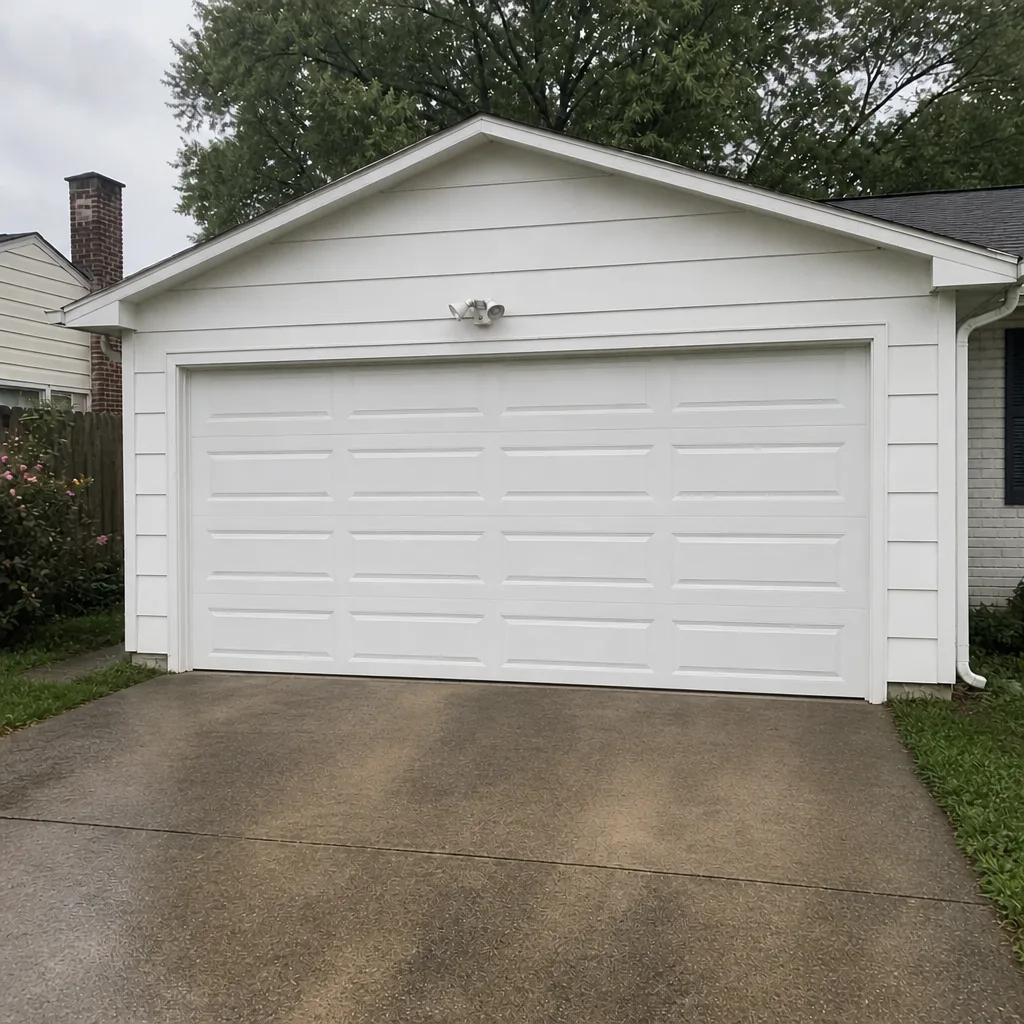
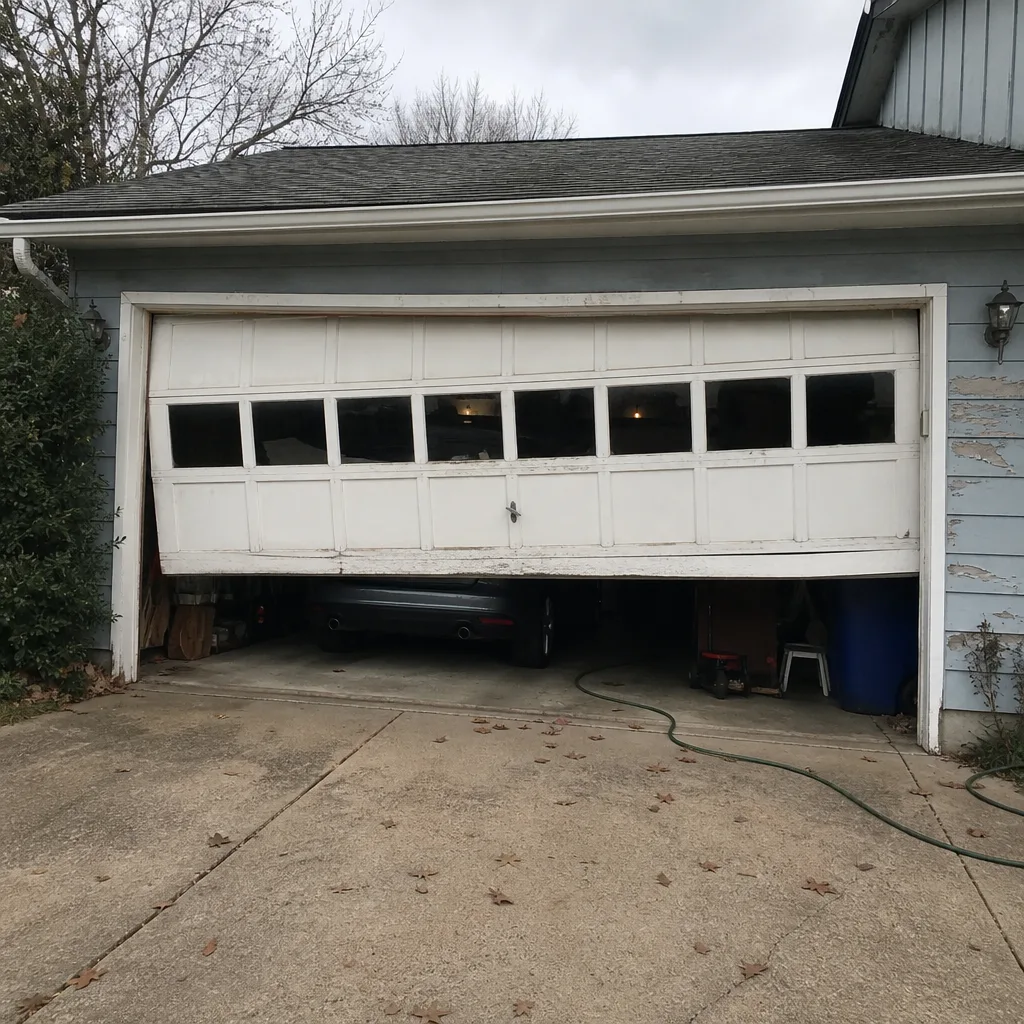
See the difference
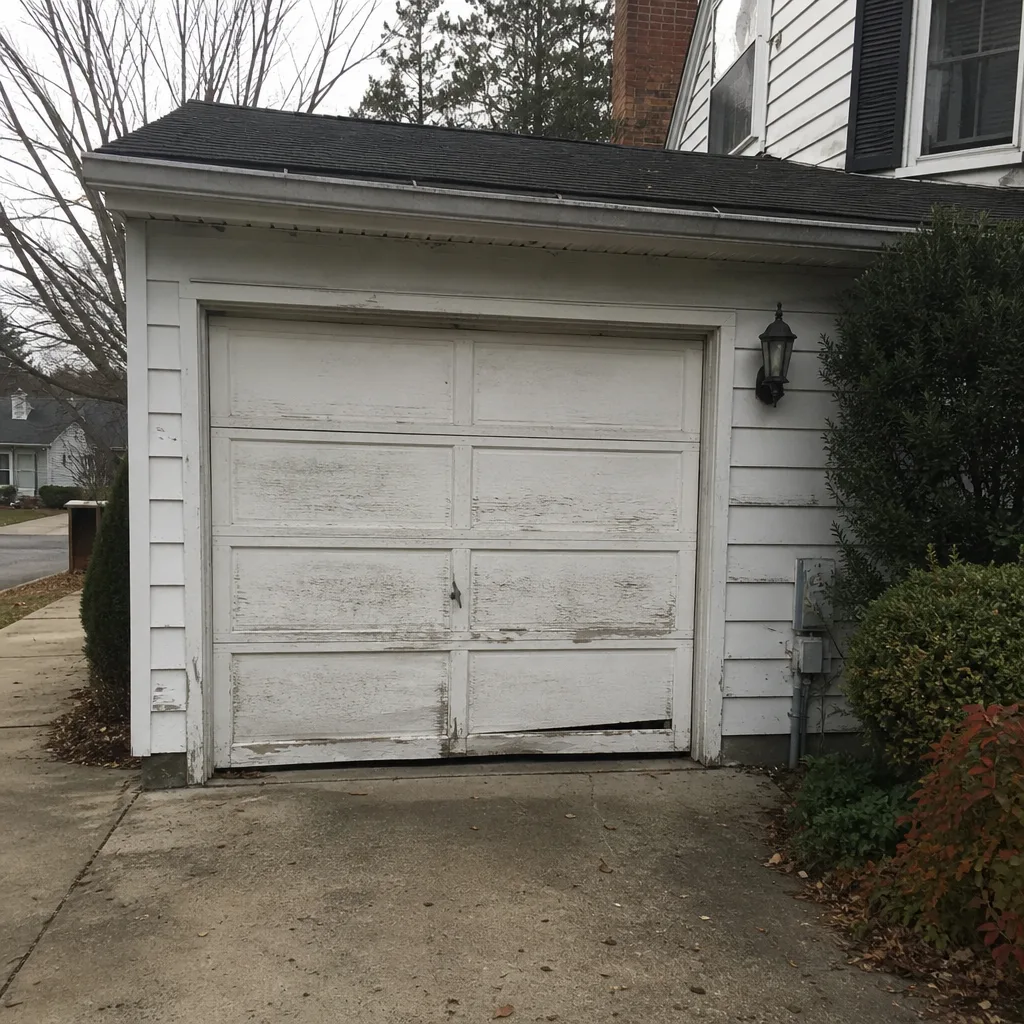 Before
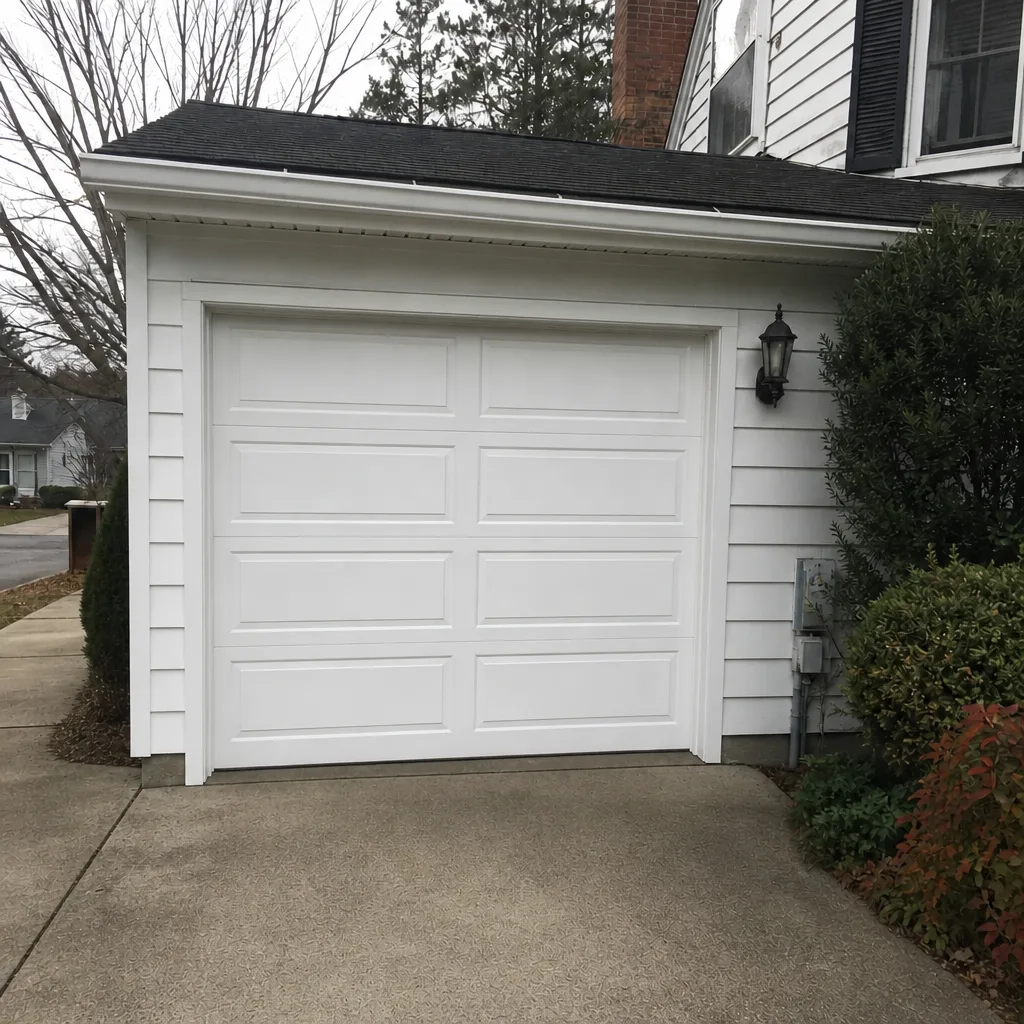 After
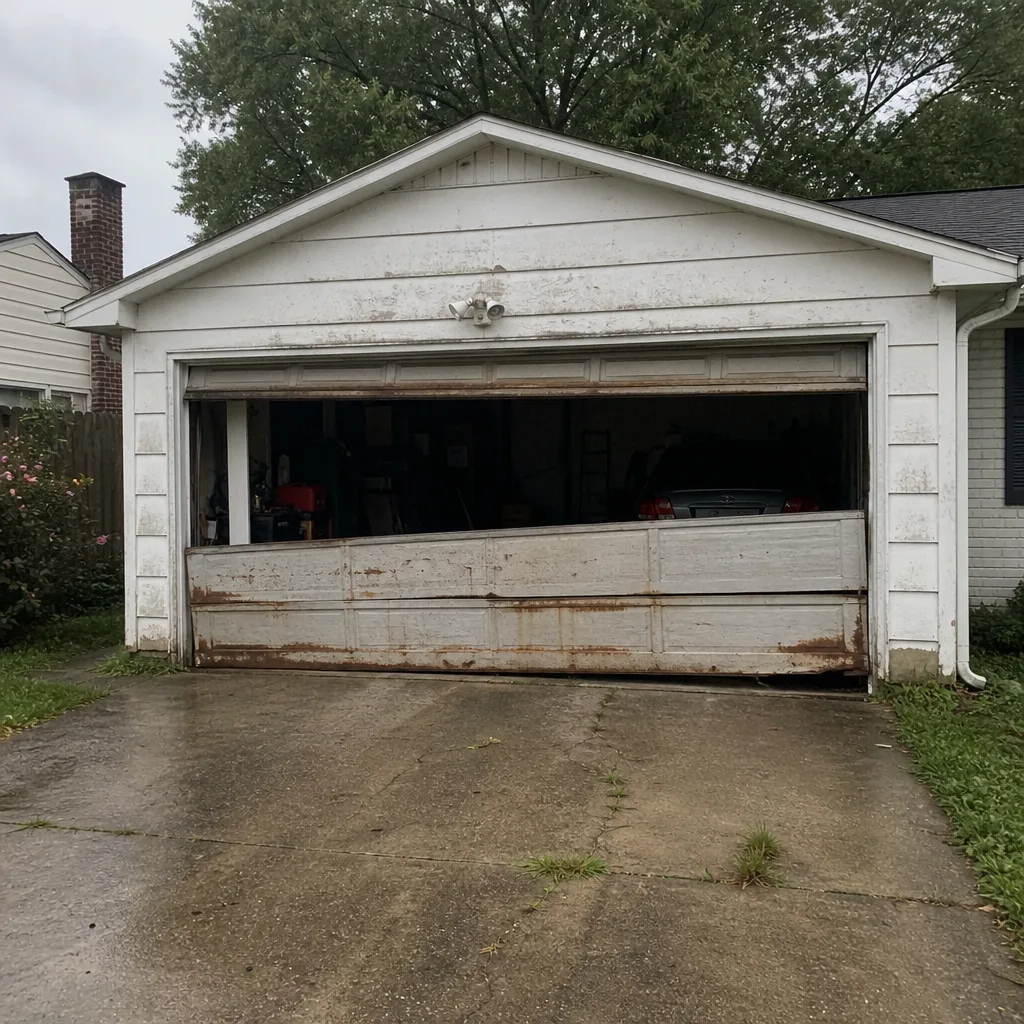 Before
 After
 Before
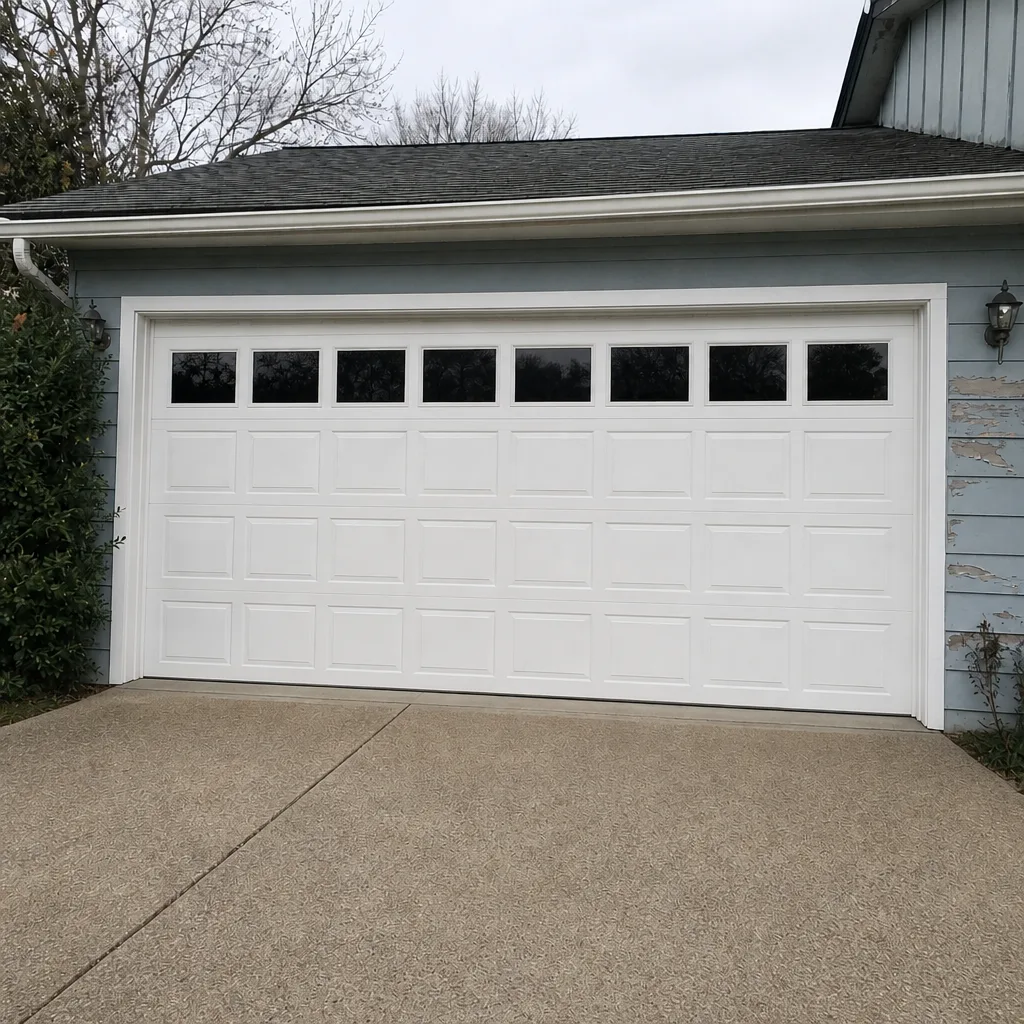 After
When to Call a Professional
Some garage door questions are permit questions, and some are safety questions. Both are reasons to call. If your door is stuck, your spring is broken, your opener won’t reverse, or you’re planning a replacement and aren’t sure what your jurisdiction requires, a specialist can sort it out quickly. We work on the brand you already own, whether that’s a Clopay door, a Raynor model, or a Craftsman opener, and we know the permit landscape across Richmond City, Henrico, Chesterfield, and Hanover. Your garage door is a 300-pound moving part, and the work around it deserves a specialist rather than a generalist. Richmond Garage Door Repair Pros offers free estimates in Richmond. Call (866) 353-3562. We answer 24/7. Fast dispatch from 7am to 7pm, Sunday through Friday.
Frequently Asked Questions
In most Richmond-area jurisdictions, yes, a replacement door generally requires a building permit, especially when the new door differs in size, weight, material, or wind load rating from the original. Straightforward repairs that restore the door to working condition usually don’t. Confirm with the building department for your specific address, since Richmond City, Henrico, Chesterfield, and Hanover each run their own process. Call (866) 353-3562 for an exact quote on the work, estimates are free.
A repair restores the door to its original condition and typically doesn’t need a permit, while a replacement changes the door or the opening and usually does. Swapping a spring, cable, or roller is a repair. Installing a different door model, widening the opening, or adding an opener to a manual door is a replacement or alteration. When you’re not sure which category your job falls into, ask your jurisdiction’s building department before work starts. Call (866) 353-3562 if you want a specialist to assess the job first; estimates are free.
It can. An insurance adjuster reviewing a claim that involves the garage may ask whether the work was permitted and inspected, and an unpermitted alteration can complicate the claim. We can’t speak to how a specific policy will respond, but a permitted, inspected installation gives you a clean record. If you’re unsure of your door’s permit status, call (866) 353-3562; we can help you understand what the installation involves so you can talk to your insurer with better information.
Start by calling the building department that covers your address and asking about a permit for existing work. Gather any receipts, the installer’s information, the door model and rating, and photos of the installation. Submit the application, pay the fee the department quotes, and schedule the inspection. If the inspector finds a deficiency, such as an unrated door or a missing opener safety device, it has to be corrected before the permit closes. Call (866) 353-3562 if you need the corrections done; estimates are free.
Inspectors verify that the installed work matches the permitted scope and meets the Virginia Uniform Statewide Building Code. That includes the structural attachment and framing, the door’s wind load rating and labeling, the opener’s safety reversal and photo eye function, clearances and travel, and fire separation for attached garages. The two most common failure points are a missing or non-functioning opener safety device and a door that doesn’t match the permitted rating. Call (866) 353-3562 if you want the installation done right the first time; estimates are free.
The local professionals we connect you with are licensed and insured as their state requires, and the price is quoted and agreed before any work starts. You’ll know the scope and the cost before anyone touches the door. Our technicians have up to 14 years of experience with the major brands homeowners actually own, including LiftMaster, Chamberlain, Genie, Clopay, Amarr, Wayne Dalton, Craftsman, and Raynor. Call (866) 353-3562 for a free estimate.
The Bottom Line
The permit question for a garage door comes down to whether you’re restoring the door or changing it. Repairs usually don’t need a permit; replacements and structural alterations usually do, and the requirement varies across Richmond City, Henrico, Chesterfield, and Hanover. A permit fee at the time of installation is a small cost compared to a retroactive permit, a failed inspection, or a stalled home sale. If the work is already done, the retroactive process is available and worth starting before someone else discovers the gap. Keep your paperwork, confirm your jurisdiction, and when the job involves a spring or a full replacement, bring in a specialist who knows the code and the brands. Call (866) 353-3562 for a free estimate. We answer 24/7. Fast dispatch from 7am to 7pm, Sunday through Friday. Our full range of services is outlined at Richmond Garage Door Repair Pros.
Written by the team at Richmond Garage Door Repair Pros.