
Last updated November 21, 2026
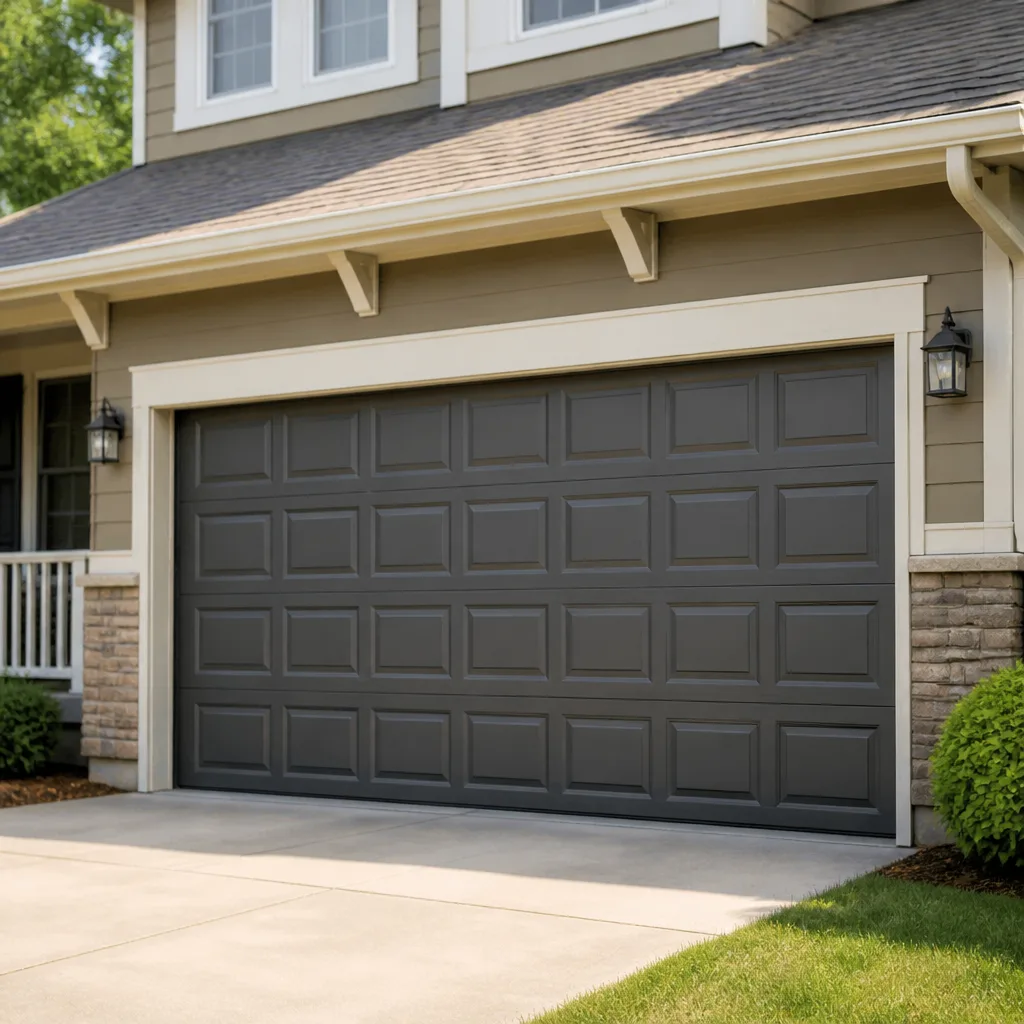 Raised-panel steel
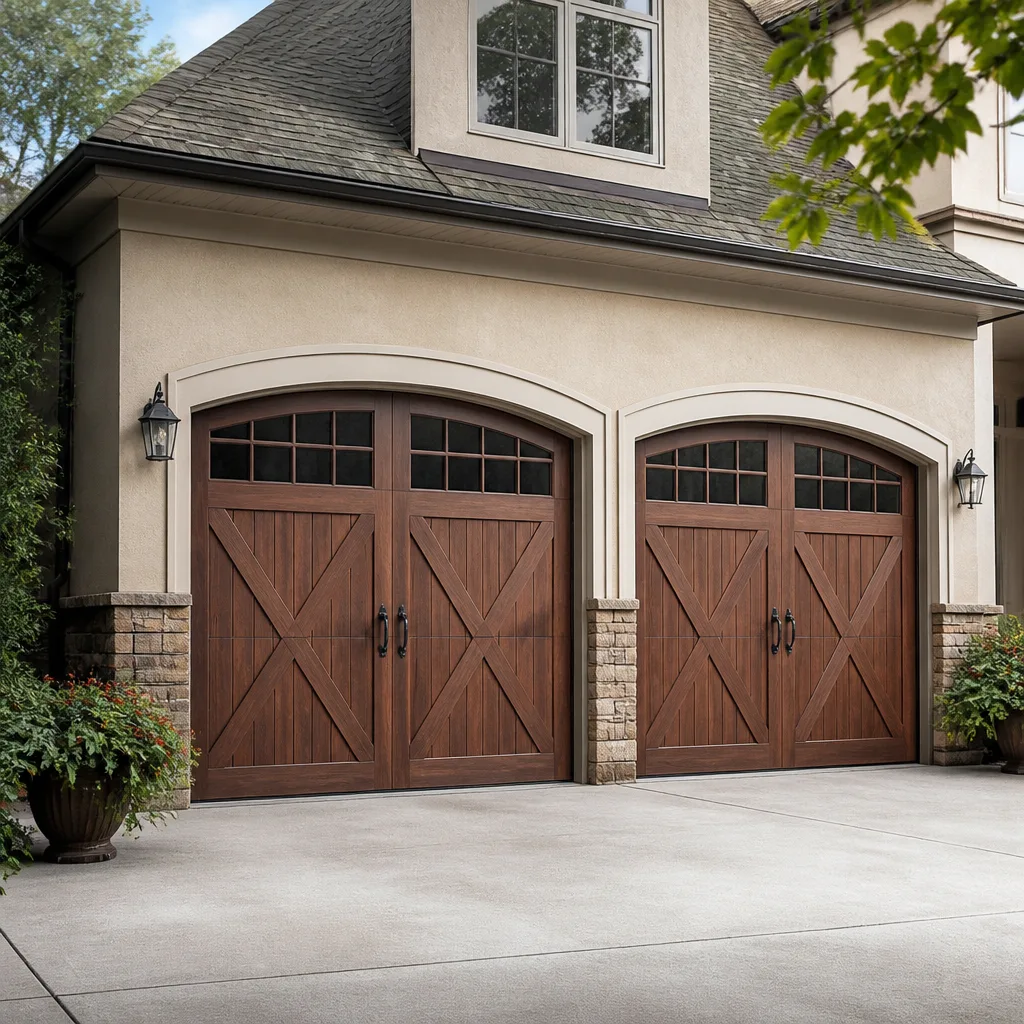 Carriage house
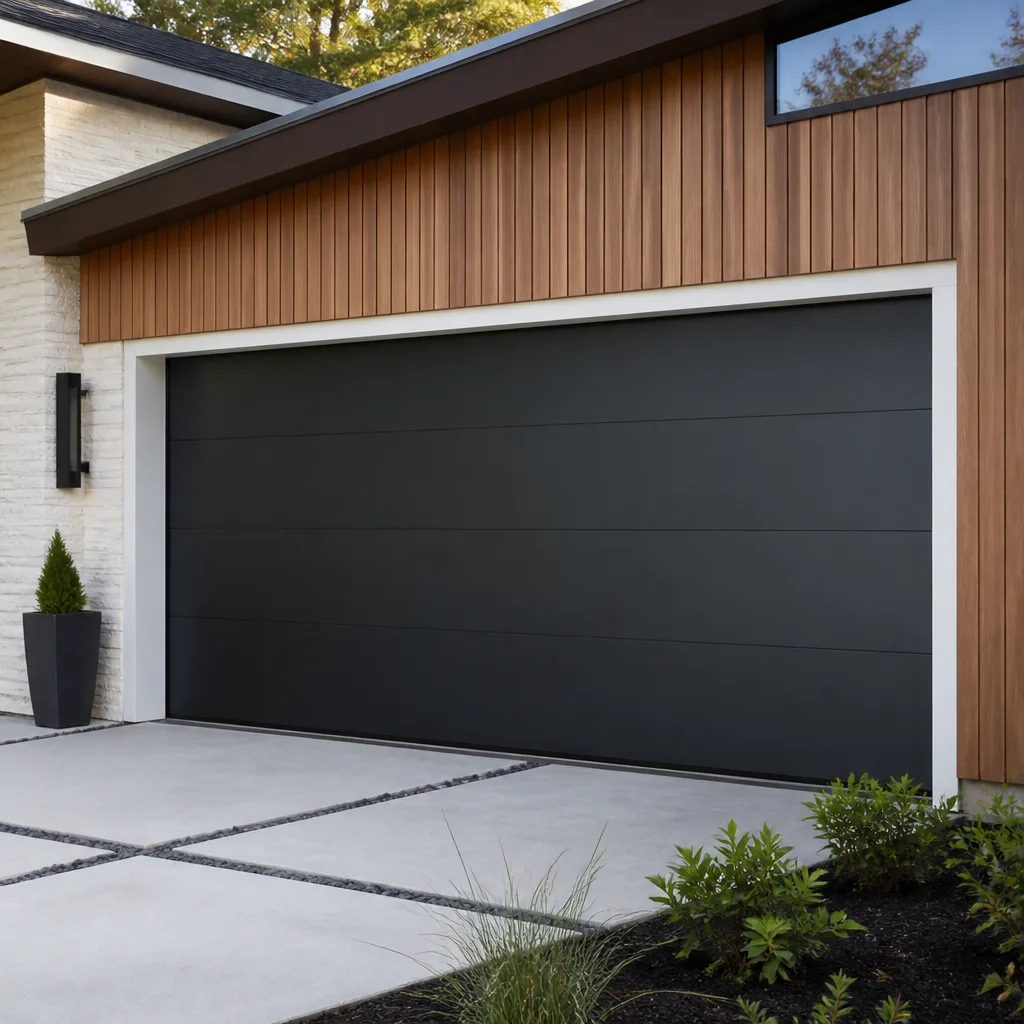 Modern flush
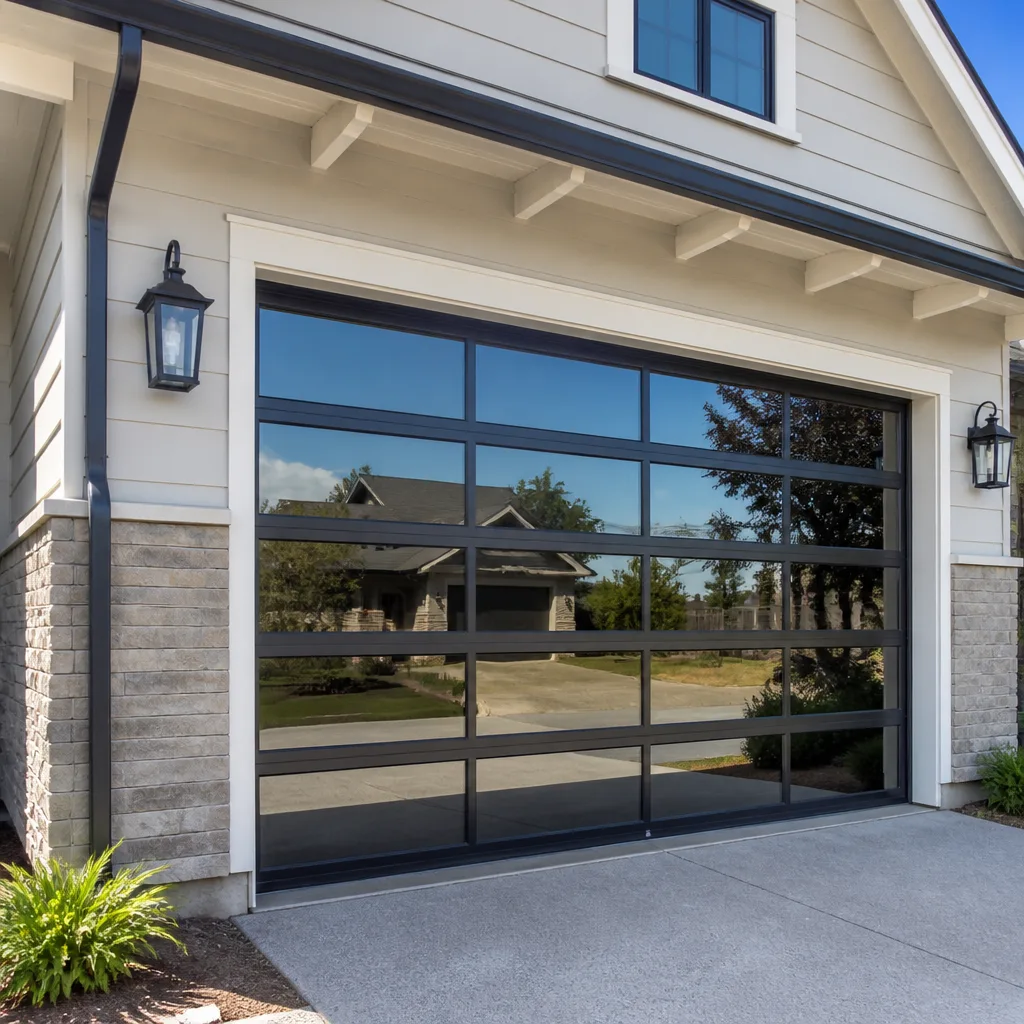 Full-view glass
 LiftMaster openers
 Chamberlain openers
Full 25-point door and opener safety check with every visit - springs, cables, rollers, tracks, and your LiftMaster or Chamberlain opener included
You get a price before we start. It does not change when the pro arrives.
Get your free estimateHow to Hire a Garage Door Contractor in Richmond: A Step-by-Step Guide
Most homeowners in Richmond shop for a garage door contractor the same way they’d shop for a handyman: ask for a name, check a star rating, book the cheapest quote. That approach works fine for a sticking closet door. It can fall apart on a 300-pound moving assembly under torsion. Virginia doesn’t require a state contractor’s license for most garage door repair work, so the barrier to calling yourself a “garage door company” in Richmond can be almost nothing. The gap between a true specialist and someone who owns a drill is wide, and it shows up after the job is done, not before. This guide walks through what to verify, what to ask, and how to read a quote so you hire for the trade, not the title.
Quick Answer
To hire a garage door contractor in Richmond, verify insurance and business registration first, ask five trade-specific questions about springs, openers and brand familiarity, and insist on a written line-item estimate before any work begins. The company or technician doing the work should carry general liability insurance, show proof of it, and be able to explain in plain language how they handle high-tension springs. Price should be quoted and agreed before the first bolt turns, and a same-visit plan for a stuck door should be part of the conversation.
Styles & brands we work with
- Raised-panel steel
- Carriage house
- Modern flush
- Full-view glass
- LiftMaster openers
- Chamberlain openers
Table of Contents
- Why garage door work is its own trade in Richmond
- What licensing and insurance should a Richmond garage door contractor carry?
- The five interview questions that separate a specialist from a handyman
- How to read a garage door quote: line-item red flags
- Why manufacturer-authorized dealers matter for some brands
- What contract terms should Richmond homeowners require before work starts?
- Richmond homes, humidity and why door fit matters here
- When to call a professional instead of waiting
Why garage door work is its own trade in Richmond
A garage door is the largest moving object on a typical house. It rides on a track, hangs from cables, and is counterbalanced by springs under tension that can hurt someone badly if released wrong. That’s not the same mechanical world as a leaking faucet or a sticking cabinet. It also means the diagnostic mindset is different: a door that won’t close might be a spring, a cable, a bent track, a misaligned photo-eye, a stripped opener gear, or a limit switch that just needs a nudge. The setup matters.
In Richmond, older homes in the Fan and Church Hill often have single-car garages with retrofitted doors, while newer construction in Short Pump and Glen Allen tends toward wider two-car openings on torsion setups. Neither is hard, but they call for different parts and different diagnostics. A contractor who mostly hangs drywall and occasionally does doors is guessing at both.
We work on the brand you already own. Our technicians have up to 14 years of experience across Wayne Dalton, LiftMaster, Craftsman, Raynor and four other major lines, so the person at your door isn’t learning your equipment on the job. The trade is narrow on purpose: garage doors only. No plumbing, no HVAC, just doors. That focus is what you’re paying for when a spring snaps or a panel takes a hit. When you narrow your search to specialists like the ones at Richmond Garage Door Repair Pros, you’re not just picking a name on a list. You’re picking a company whose whole business is this one moving part.
What licensing and insurance should a Richmond garage door contractor carry?
Virginia doesn’t require a state contractor’s license for most garage door repair work, and that’s the first thing to understand. There’s no single license number that proves a technician is qualified. What you can verify is insurance, business registration, and the ability to prove both. Ask for a certificate of insurance and a business registration (a Virginia locality business license or SCC registration) before you book. A legitimate operator will send them without hesitation.
Here’s what to look for:
- General liability insurance. This covers damage to your property if something goes wrong: a track pulled loose from a header, a panel cracked during removal, a window hit by a falling part. Ask for the certificate directly from the insurer, not a cell phone photo of a card.
- Workers’ compensation. If the person on your property is injured, this protects you from a claim. If the company uses independent technicians rather than employees, ask how injuries are covered.
- Commercial auto liability. A real company drives a vehicle covered for business use. A handyman using a personal truck isn’t necessarily insured for a work-related collision.
- Local business registration. Richmond City and surrounding counties (Henrico, Chesterfield, Hanover) all require business licenses to operate. Ask which locality the company is registered in.
- Written guarantee of workmanship. Manufacturer warranties cover parts. The labor guarantee is on the company. Ask for it in writing and ask how long it lasts.
One caveat on licensing: if the job involves electrical work beyond swapping a plug-in opener, or structural changes to the garage framing, a licensed trade may be needed. Most spring, cable, track and opener repairs do not. If your door is on a steep grade, or the install requires header modification, ask who handles the carpentry and electrical side. A specialist knows where the garage door trade ends and other trades begin.
The five interview questions that separate a specialist from a handyman
Ask these on the phone before you book. The answer matters less than how comfortable the person sounds. A specialist will answer in specifics. A generalist will answer in hedges.
- “Do you repair torsion springs, or only extension springs?” Torsion springs sit on a shaft above the door and carry far more tension. Extension springs run alongside the track and are more common on older, lighter doors. A true garage door specialist handles both. An honest “we don’t do torsion” is fine. A vague “we handle springs” without specifics is a warning sign.
- “What brands do you work on most?” Listen for names like LiftMaster, Chamberlain, Genie, Clopay, Amarr, Wayne Dalton, Craftsman or Raynor. Anyone who says “any brand” without specifics hasn’t thought about it. Anyone who names two or three they know well is giving you a straight answer.
- “If my opener has Wi-Fi and my app isn’t syncing, what do you check first?” Smart openers from Chamberlain, LiftMaster, Genie and Craftsman have a specific diagnostic path: router band, hub pairing, firmware, then the opener’s logic board. Anyone who says “we’ll figure it out” hasn’t touched one.
- “Do you quote before you start?” The answer should be an immediate yes, in writing. Any version of “we’ll see once we’re out there” is a red flag on scope and price control.
- “Can you tell me what a typical spring replacement involves?” You’re not looking for a procedure. You’re listening for whether the person respects the danger. If they describe winding springs as no big deal, move on. A trained technician treats that job as hazardous and works it that way.
If you’re still narrowing it down, the specialists behind garage door repair in Richmond answer these questions directly because it’s the only work they do. The conversation should feel like talking to a mechanic about your car, not a generalist about your house.
How to read a garage door quote: line-item red flags
A good garage door quote is itemized by assembly, not bundled into one number. You should see the door, the springs, the track, the opener (if applicable), the hardware, labor and disposal called out separately. If your quote is a single line with a total, ask for the breakdown before you sign. Then look for these patterns:
- Paired spring pricing shown as one line. A spring quote is for one spring. A matched pair is usually replaced together, so a pair costs about twice the single-spring figure. If a quote shows one spring price for a paired replacement, ask which is being replaced.
- “Bearing plates” or “spring anchors” bundled without explanation. These are legitimate parts on some jobs, especially when the original hardware is worn. If they appear on a quote for a straightforward spring swap with no visible wear, ask why.
- An opener quoted when the failure is mechanical. If a door binds and stops, the openers may be fine. Ask whether the opener needs replacing or whether the door itself is the problem. A specialist runs that diagnostic first.
- A “full tune-up” attached to a specific repair. Tune-ups are legitimate services, but they shouldn’t ride along on a spring call unless you asked.
- No stated warranty. Parts warranties and labor warranties should appear on the quote. If they’re missing, ask for them in writing before work starts.
Legitimate scope looks like this: the technician inspects the door, explains what failed and why, prices the parts and labor for that failure, and offers additional items (bearings, rollers, belt) as optional with their own line items. You decide which lines to accept. The written estimate sets the final price. It’s quoted and agreed before any work starts.
Why manufacturer-authorized dealers matter for some brands
Most repairs don’t require the installer to be factory-authorized. A good technician can replace a LiftMaster opener or service a Wayne Dalton door without being on any dealer list. But for a few situations, the dealer relationship matters:
- New installation under manufacturer warranty. Some manufacturers require installation by an authorized dealer for the warranty to apply to the door, opener or both. If you’re buying new, ask the manufacturer’s warranty language before you sign with the installer.
- Warranty claims on existing equipment. If your door or opener is still under a manufacturer warranty and the failure looks like a defect, the claim may go through an authorized dealer. Ask before you pay out of pocket.
- Parts availability for less common brands. Raynor and certain Clopay lines have narrower dealer networks. A specialist who isn’t authorized can still source parts, but the timeline may be longer.
- Smart-home integration. Some LiftMaster and Chamberlain features require dealer provisioning. If your opener’s cloud features matter to you, ask whether the service company can handle that.
If you’re planning a full replacement, garage door installation walkthroughs typically cover warranty structure in detail. A specialist will tell you honestly which warranties they can honor and which they can’t. If they claim to be authorized when they aren’t, that’s a trust problem regardless of the brand.
What contract terms should Richmond homeowners require before work starts?
Require a written estimate, a clear scope, a payment schedule, and a warranty statement before any work begins. That’s the short version. Here’s what to look for line by line:
- Written scope of work. Which assemblies are being replaced, repaired or adjusted. A one-sentence scope (“repair door”) leaves too much open.
- Line-item pricing. Parts and labor per item, plus any consumables and disposal. If disposal of the old door is included, say so. If not, ask.
- Agreed total price. The final number should be stated. It shouldn’t change because the technician found something on site, unless the scope changes and you agree to it in writing first.
- Payment terms. No substantial deposit on repair work. Deposit norms on full installations vary, but the schedule should always be in writing. Never pay the full job upfront.
- Warranty clause. Labor warranty length, parts warranty (which usually comes from the manufacturer), and what voids both.
- Cleanup responsibility. Who removes the old door, the old springs and any packaging. For Richmond homes with narrow driveways in older neighborhoods, this matters for scheduling.
- Contact and emergency line. If something goes wrong after the job, who do you call and how fast is a return visit promised?
If your opener is the failing part, garage door opener repair covers what those jobs typically involve so you know what should be in the estimate.
Richmond homes, humidity and why door fit matters here
Richmond has warm, humid summers and occasional freezes in winter. Both affect garage doors more than most homeowners expect. Wood and composite doors swell and shrink with humidity, which can throw off track alignment, bind rollers and stress springs. Cold snaps stiffen lubricants and can expose a weakened spring that’s been holding on borrowed time. A specialist in Richmond knows to ask about seasonal symptoms (“does it stick more in July?”) because the answer shapes the fix.
Older homes in the Fan, Church Hill and Carytown often have garages that were added later or modified over decades. Door openings are irregular, headers can be undersized, and retrofitted openers are sometimes mounted on hardware never designed for them. Newer construction in Short Pump, Glen Allen and Midlothian is more uniform, but installation quality varies. A garage door contractor who works Richmond every week has seen these patterns. A generalist hasn’t, and it shows in the fix.
If your door is binding more in summer than winter, or the springs look rusty near the bottom coil, that’s a Richmond signal worth acting on. Call (866) 353-3562. We answer 24/7. Fast dispatch from 7am to 7pm, Sunday through Friday.
When to call a professional instead of waiting
Some garage door problems can wait a day or two. Others shouldn’t. Call a specialist the same day if the door won’t open or close, if the opener runs but the door doesn’t move, if you hear a loud bang from the garage that leaves the door heavy, if a cable is visibly off its drum or frayed, or if the door is hanging crooked on one side. Dead opener, jammed door, snapped spring: those are access and security problems, not just inconvenience. Spring failures don’t wait for a convenient time, and neither does a door that won’t latch overnight.
What to skip: don’t try to wind, unwind or adjust a torsion spring yourself, and don’t cut a tensioned cable. Those are the parts of the job that hurt experienced technicians. A trained professional does that work. Richmond Garage Door Repair Pros offers free estimates in Richmond. Call (866) 353-3562, and same-day service is often possible on urgent repairs. The price is set by the written estimate before any work starts.
See the difference
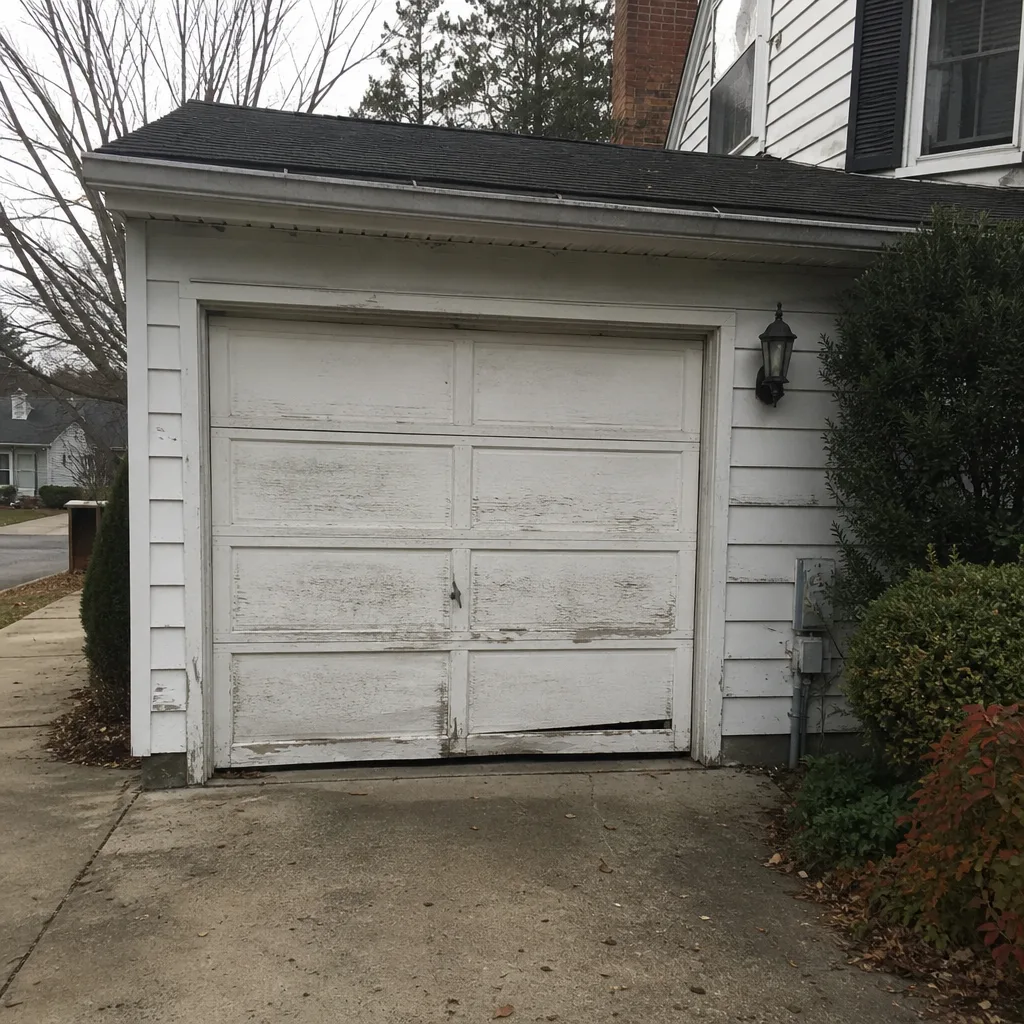 Before
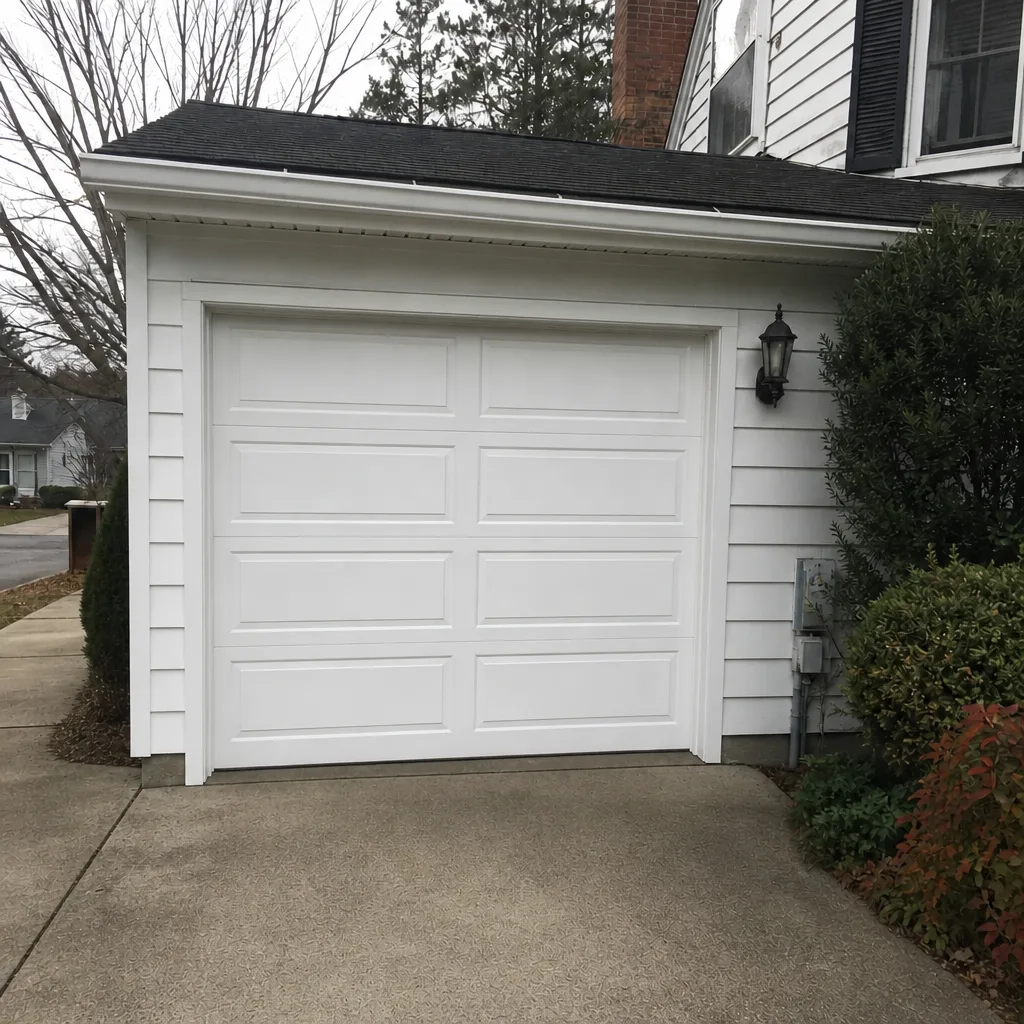 After
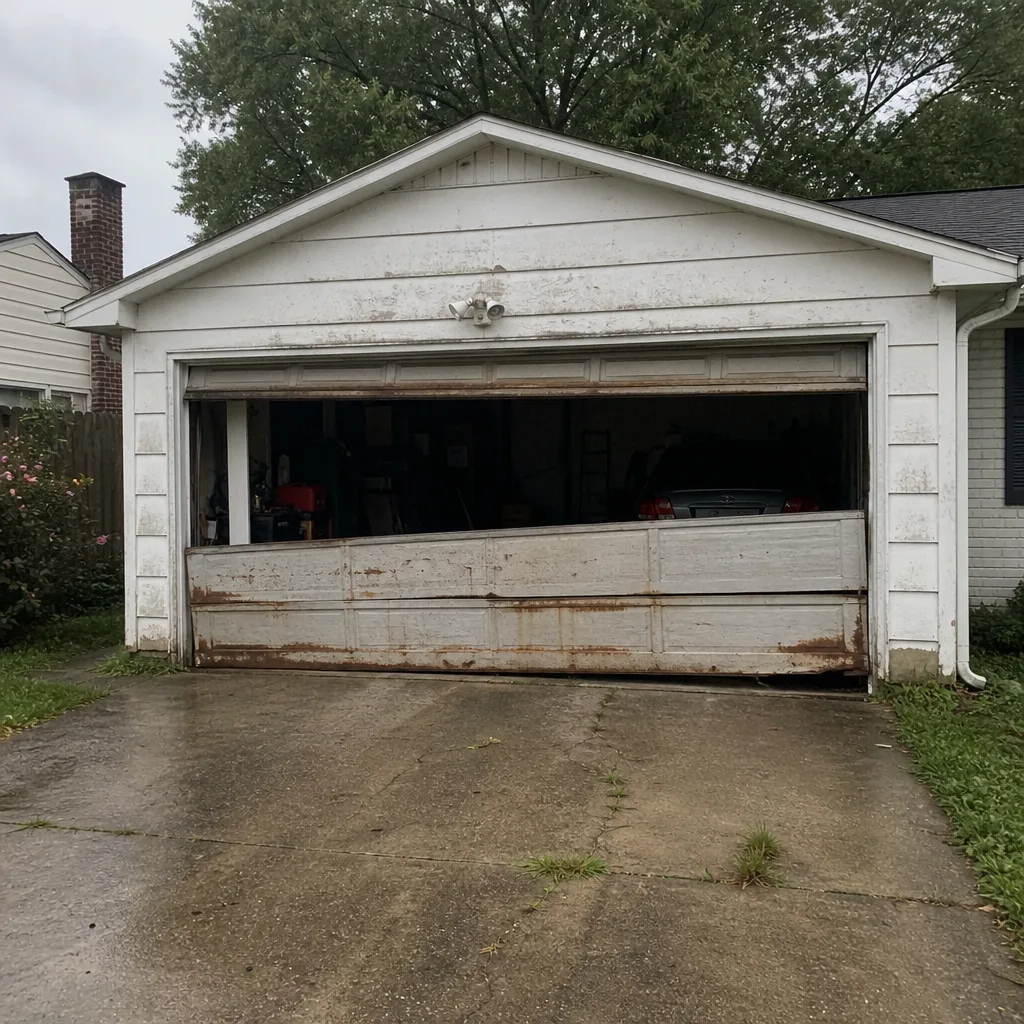 Before
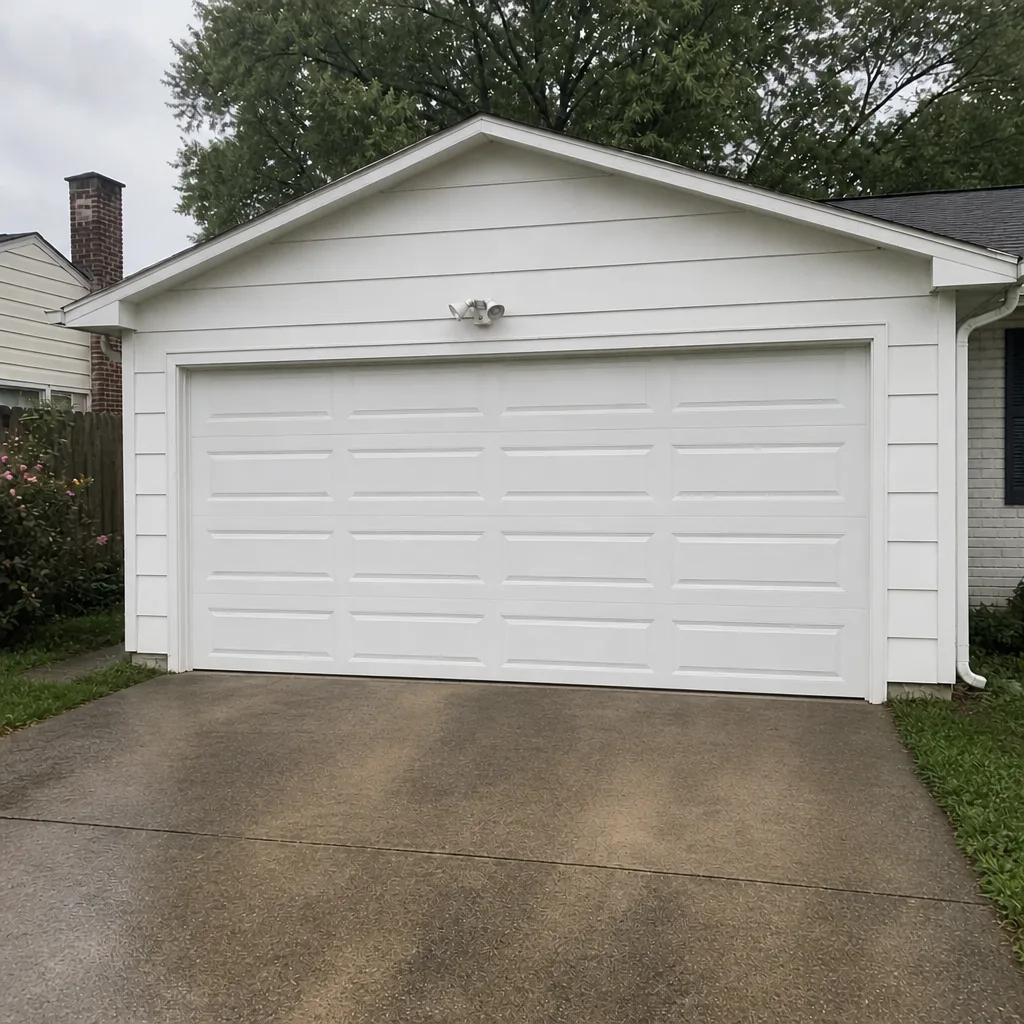 After
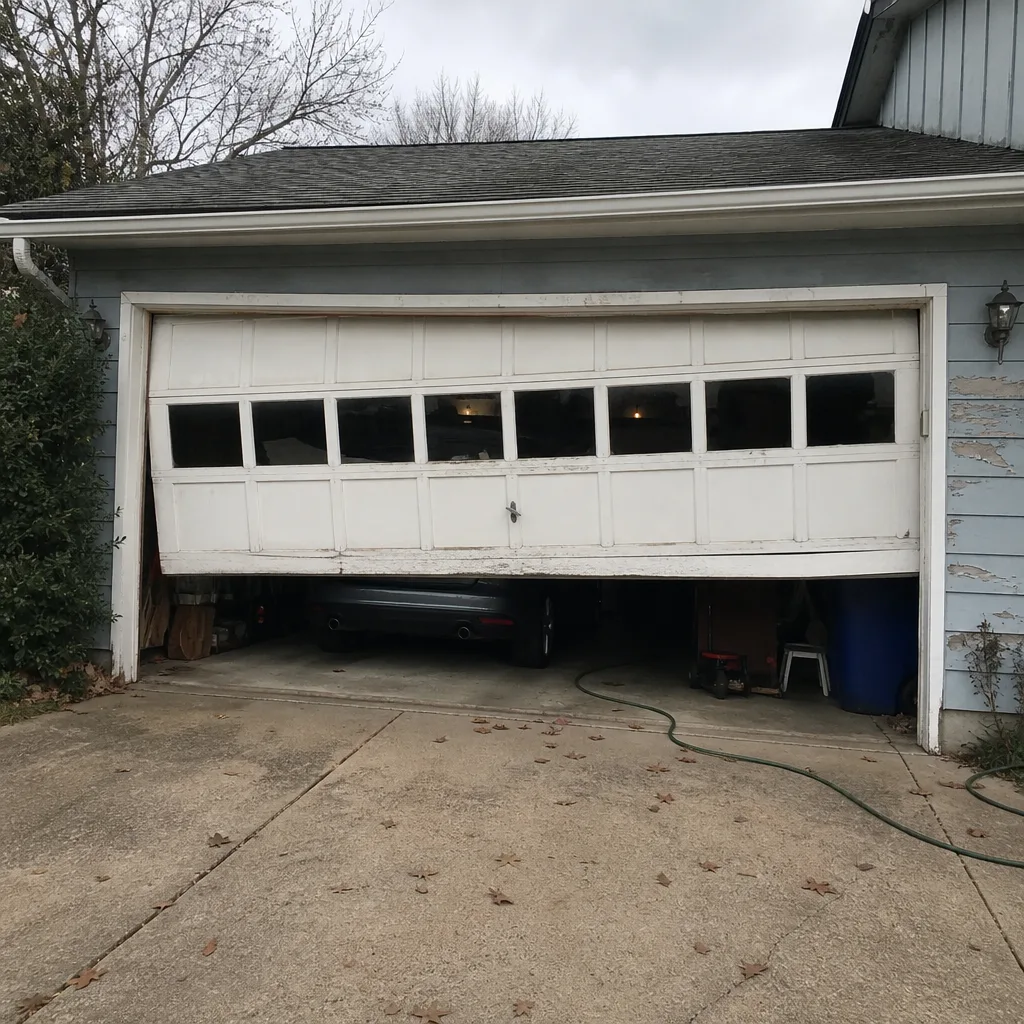 Before
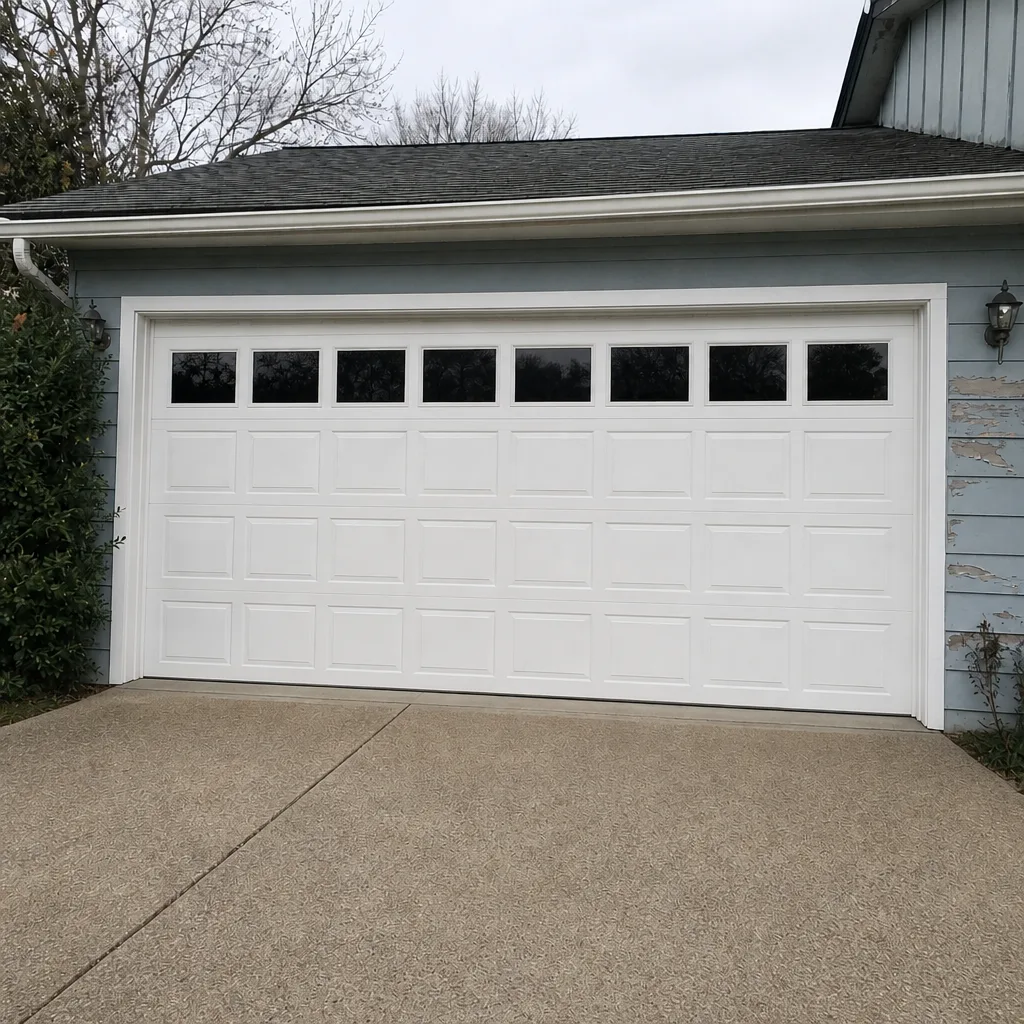 After
Common Mistakes to Avoid
- Hiring on price alone. The cheapest quote for a spring replacement often reflects a single spring quoted for a paired job, or a lower-grade part. Ask what’s included before comparing numbers.
- Skipping the insurance check. Asking for a certificate of insurance feels formal. It’s the single most important step for protecting your home from damage claims.
- Treating “any brand” as a green light. Every garage door brand has quirks. A technician who works LiftMaster and Chamberlain every week knows their diagnostic paths. A generalist is looking it up.
- Accepting a verbal quote. Verbal scope drifts. Written scope holds. Get the price and the scope in writing before work starts.
- Trying to save a spring or cable repair for later. A door operating on a weakened spring or a frayed cable is one cycle away from a much bigger problem. That’s a safety issue, not a scheduling one.
- Assuming a full replacement is needed when a repair would work. Ask the specialist to walk you through the diagnostic. If the answer is “new door,” get a second opinion unless the panels are structurally compromised.
- Ignoring Richmond’s seasonal patterns. A door that sticks in July and drags in January has a fit problem. Addressing it once saves three small service calls.
Frequently Asked Questions
No, Virginia doesn’t require a state contractor’s license for most garage door repair work. That makes insurance and business registration the two credentials you should verify. Ask for a certificate of insurance directly from the insurer and a local business license. If a company can’t produce both quickly, look elsewhere. Call (866) 353-3562 for an exact quote; estimates are free.
Spring repair in Richmond typically runs in the low-to-mid hundreds for a single spring, and a matched pair costs about twice the single-spring figure because they’re almost always replaced together. The written estimate sets the final price, and price is quoted and agreed before any work starts. Cost depends on spring type, door weight and any related hardware. For a specific number, call (866) 353-3562. We answer 24/7.
For adjustments like lubricating rollers or tightening a loose bracket, a handyman is fine. For springs, cables, opener logic boards and track alignment, hire a garage door specialist. The parts involved carry real tension and the diagnostic steps are trade-specific. A handyman guessing on a torsion spring is the wrong kind of help. Call (866) 353-3562 for a quote from a specialist.
No. The written estimate is the price. If the technician finds additional work beyond the scope, they should present it as a separate line item and get your approval before touching it. If anyone tells you the price might go up once they’re on site, ask for the scope in writing first. Call (866) 353-3562 for a free estimate.
Ask what brands they work on and how often they handle torsion springs. A specialist names specific manufacturers (LiftMaster, Chamberlain, Genie, Clopay, Amarr, Wayne Dalton, Craftsman, Raynor) and describes the difference between torsion and extension setups comfortably. A generalist speaks in generalities. Our technicians have up to 14 years of experience on the equipment homeowners actually own.
Same-day service is often possible on urgent garage door repairs in Richmond. Call (866) 353-3562. We answer 24/7. Fast dispatch from 7am to 7pm, Sunday through Friday. If your door is stuck, don’t force it; the failure mode often gets worse.
The Bottom Line
Hiring a garage door contractor in Richmond is a trade-specific decision, not a general home-repair one. Verify insurance and business registration first. Ask the five interview questions: springs, brands, smart openers, quotes and safety. Read the quote line by line and look for paired-spring pricing, unexplained add-ons and missing warranties. Require scope, price and warranty in writing before work begins, and never force a stuck door. The right specialist knows Richmond homes, handles the brand you already own, and quotes the job before turning a bolt. The wrong hire can turn a $200 repair into a liability. Call (866) 353-3562 for a free estimate in Richmond.
Written by the team at Richmond Garage Door Repair Pros.